 PCB & PCBA Manufacturer

What Is a Flexible PCB
A Flex, alFlex P orFPC, is a typetight spaces, moving parts, making the
How Flexible PCBs Differ from Rigid P
Rigid PCBs use F,polyimide (PI) or PET substrat, allow
Copper traces are laminated onto the flexible base material, while coverlays or conformal coatings protect
Fit into extremely tight or curved
Absorb vibration and mecha
Enable 3D packaging and foldable de
These advantages make flexible PCBs impossible to replace with rigid boards in many modern electronic prod
 Structure
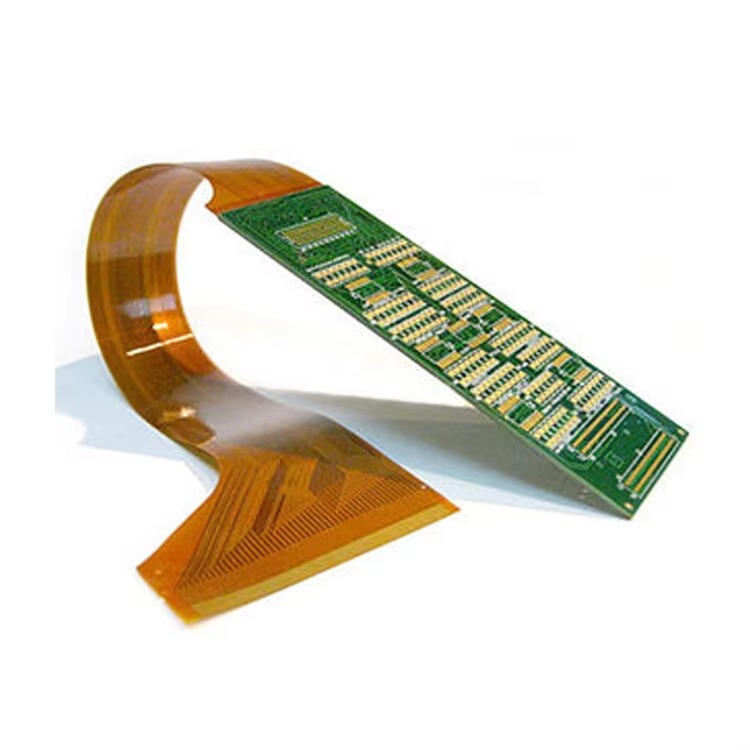 Structure
Flexible PCBs are built on thin such as polcoverl protect t
For areas that require mechanical reinforcement—such as connectors or mounting holes—stiff c
Flexible PCBs combine mechanica withstable electrica, allowing them
Ke
High flexibility – withstands repeated bending and flexing
Thin and lightweight – ideal for compact electronic products
High durability – resistant to vibration, heat, and mechanical stress
Design freedom – supports complex 3D layouts with fewer connectors and cables
Advantages of Flexible PCBs
Space and Weight Savings
Flexible PCBs are extremely thin and lightweight, reducing the need for bulky cables and connectors. This allows engineers to design smaller, lighter, and more compact devices.
Superior Durability in Dynamic Environments
FPCs are designed for repeated bending and motion. Their excellent thermal and mechanical stability makes them ideal for applications exposed to vibration, movement, and temperature changes.
Improved Signal Integrity
Shorter trace lengths and tighter layer spacing reduce crosstalk and impedance mismatch, resulting in better signal quality—especially important in high-speed and high-density designs.
 Flexible PCB Design Considerations
 Flexible PCB Design Considerations
To ensure long-term reliability, FPC designs must account for:
Bend radius and number of layers
Material selection (PI, PET, copper thickness, coverlay)
Trace routing and pad design
Engineers typically use curved traces, staggered vias, and teardrop pads to reduce stress concentration and prevent cracking in flex zones.
Common Applications of Flexible PCBs
Consumer Electronics
Used in smartphones, wearables, cameras, and laptops to enable ultra-thin, compact, and foldable designs.
Medical Devices
Ideal for portable, implantable, and wearable medical electronics that require reliability in small form factors.
Automotive Electronics
Used in dashboards, sensors, lighting systems, and ADAS modules where vibration resistance is critical.
Aerospace and Aviation
Applied in high-reliability systems where weight reduction, durability, and space efficiency are essential.