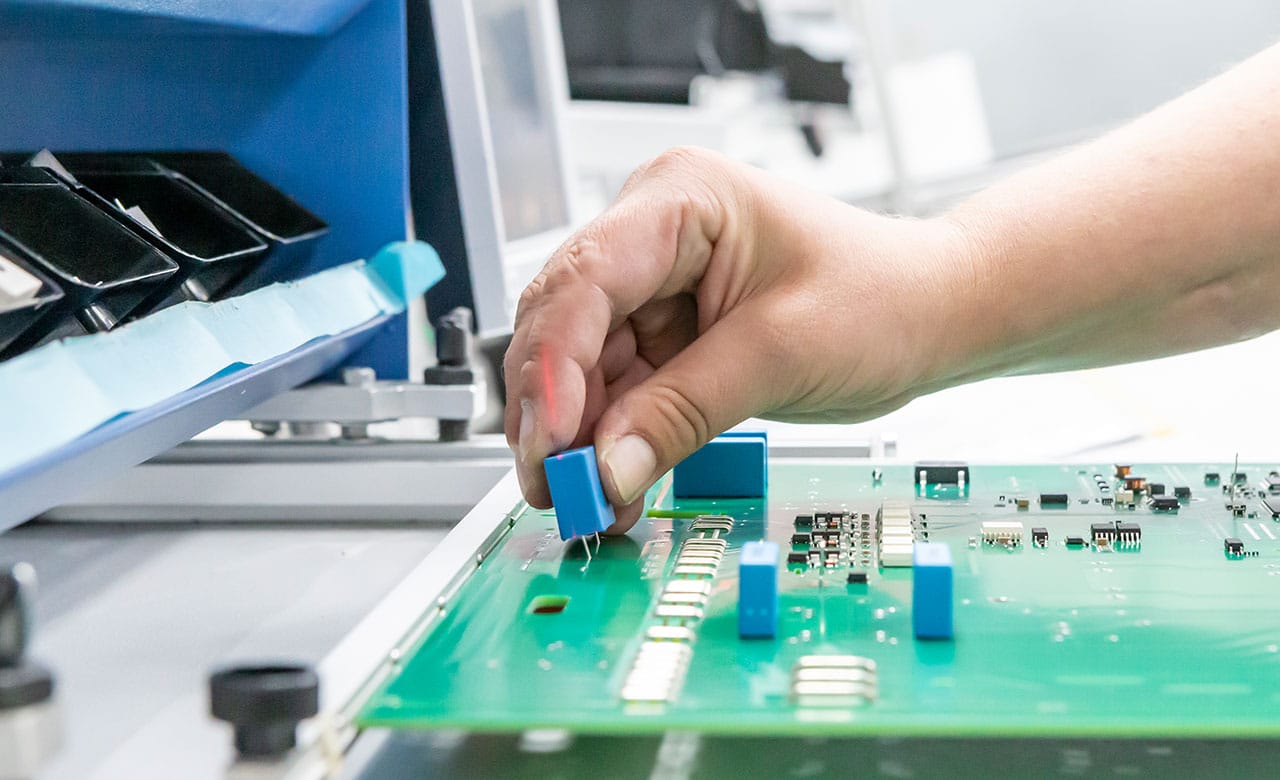
PCB Prototype vs Volume Production: Core Differences for Buyers
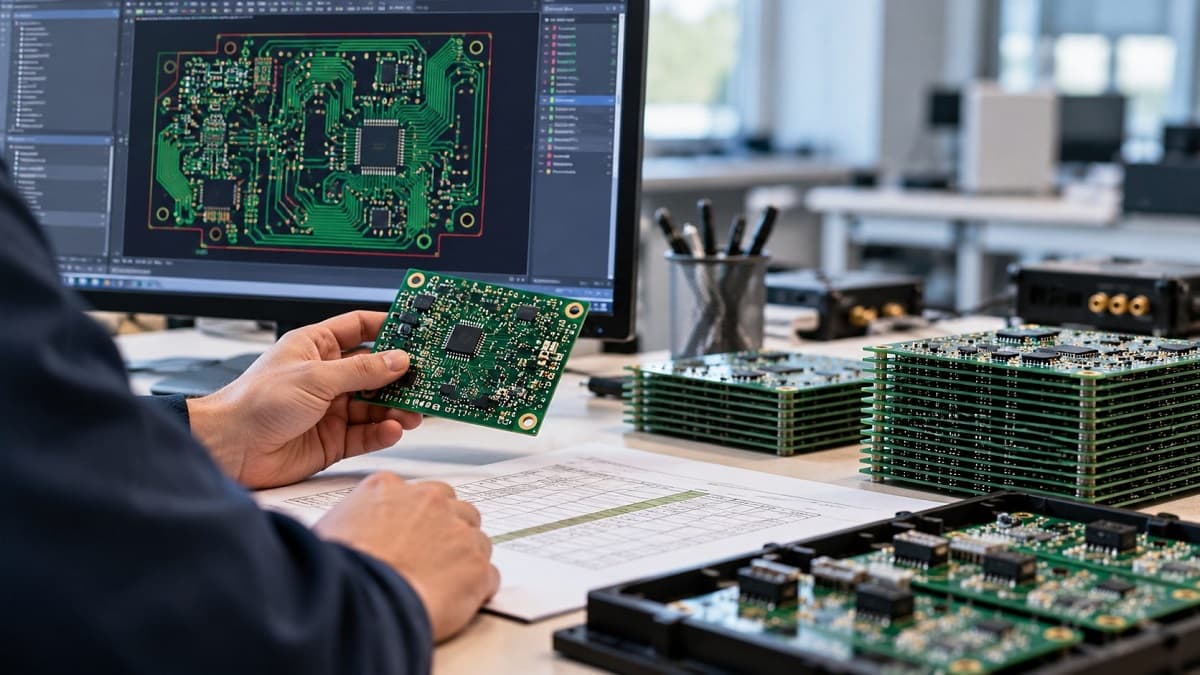
PCB prototype production prioritizes engineering validation, quick revision, and low-volume flexibility. Volume production prioritizes repeatability, controlled sourcing, stable processes, and batch consistency. A functional prototype is not, by itself, evidence of production readiness. Buyers should also confirm released data, supply continuity, inspection criteria, process capability, and formal change control.
Prototype success means the design can be evaluated; volume success means it can be reproduced consistently.
Prototype quotations emphasize setup and speed, while production quotations depend more heavily on tooling, utilization, yield, sourcing, testing, and order profile.
Volume scheduling requires material planning, capacity reservation, and controlled engineering releases.
Acceptance class, tests, records, and change rules should be written into purchasing documents.
Confirm engineering readiness
Release the Gerber or ODB++ data, drill files, stack-up, fabrication notes, BOM, approved substitutions, assembly drawings, test requirements, and revision status.
Define acceptance evidence
Specify the applicable IPC document and edition, product class, inspection method, electrical or functional test coverage, sampling plan, records, and nonconformance process.
Compare total commercial exposure
Compare tooling, non-recurring engineering, components, test fixtures, scrap assumptions, logistics, payment terms, and change costs—not unit price alone.
Approve a controlled transition
Use a pilot build where risk justifies it, close defects, approve the manufacturing baseline, and require authorization before material, process, source, or design changes.
Does a working prototype prove that a PCB is ready for volume production?
No. It proves that the sampled build can be evaluated. Production readiness also requires stable files, repeatable processes, available materials, documented acceptance criteria, and change control.
Why can the lowest volume-production unit price create risk?
The quote may exclude tooling, fixtures, testing, approved components, traceability, logistics, or change costs. Buyers should compare an aligned scope and evidence package.
When should a design remain in prototype mode?
Remain in prototype or pilot mode while major revisions, uncertain demand, unqualified components, unresolved defects, or incomplete test requirements make a frozen production baseline impractical.
| Decision area | Prototype | Volume production |
|---|---|---|
| Primary objective | Validate function and manufacturability | Repeat an approved baseline consistently |
| Engineering approach | Frequent review and revision | Released files and formal change control |
| Commercial focus | Setup cost, speed, and minimum build quantity | Total landed cost, yield, capacity, and recurring demand |
| Scheduling | Short engineering cycle | Material, tooling, capacity, and shipment planning |
| Quality expectation | Find design and build issues | Prevent variation and retain objective evidence |
Workflow and engineering preparation differences
Prototype work tolerates controlled iteration, but each revision must still be identifiable. Volume release requires a complete data package, DFM closure, approved materials and substitutions, test instructions, and revision control. The detailed PCB prototype production process explains the earlier validation workflow.
The IPC overview of IPC-2221, Generic Standard on Printed Board Design, identifies a common framework for printed-board design requirements. This supports using documented design rules rather than assuming that one successful sample establishes a repeatable production baseline.
Cost structure, quotation factors, and lead-time planning
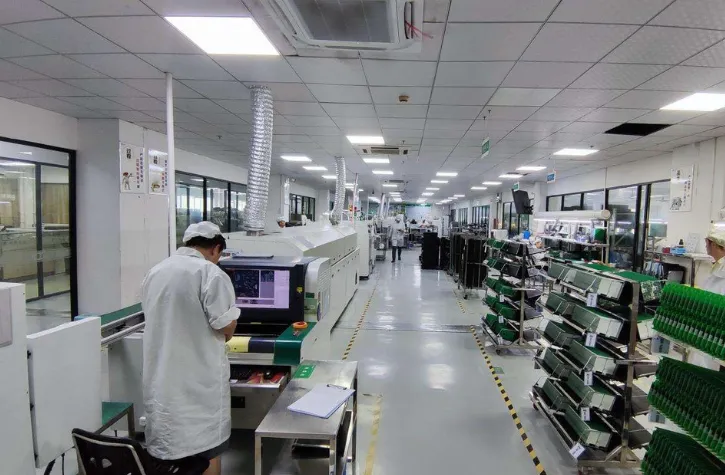
Prototype pricing spreads engineering review, setup, imaging, programming, and expedited handling across few units. Production can reduce allocated setup cost, but introduces material commitments, tooling or fixtures, test time, capacity planning, yield exposure, inventory, and change liability. Lead time should therefore be separated into engineering approval, material availability, fabrication, assembly, test, and logistics.
Quality and inspection expectations
Quality requirements should be contractual, not implied by the word production. IPC publishes IPC-6012, Qualification and Performance Specification for Rigid Printed Boards, covering qualification and performance requirements for rigid boards. This supports specifying the applicable document, edition, class, and acceptance evidence in the purchase package.
IPC also publishes IPC-A-600, Acceptability of Printed Boards, which provides visual acceptance illustrations. It supports aligning inspectors and buyers on observable conditions, but it does not replace the procurement specification. For bare-board electrical verification, IPC-9252, Requirements for Electrical Testing of Unpopulated Printed Boards, supports defining electrical-test requirements rather than requesting a vague tested claim.
For recurring builds, review the volume manufacturing quality control checkpoints. These IPC documents are consensus standards, not automatically universal legal mandates; the purchasing contract must identify what applies.
Design change flexibility and procurement decision
Prototype revisions are expected, although uncontrolled changes still create confusion. In volume production, even a small change may affect committed material, tooling, programming, inspection records, and field configuration. Buyers should require revision history, deviation approval, and notification rules.
ISO explains in ISO 9001, Quality management systems—Requirements that the standard addresses controlled processes and continual improvement rather than certifying an individual PCB. This means buyers should verify a supplier certificate's scope and validity while separately reviewing product-specific process and inspection evidence.
Before nomination, use documented PCB supplier evaluation criteria. Request sample quality records, process flow, equipment and capacity evidence, component controls, test coverage, nonconformance handling, traceability, change-notification terms, and contingency planning appropriate to the project.
Step-by-Step PCB Prototype Production Guide