PCB Volume Production Process and Quality Control System
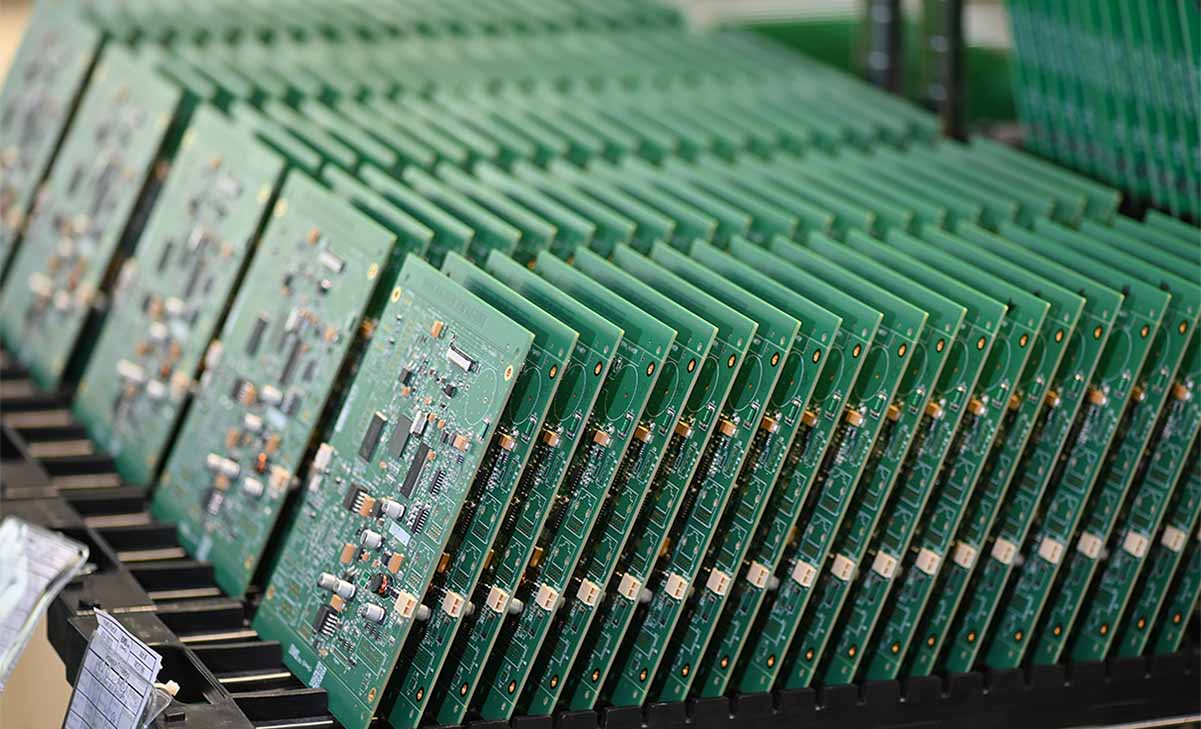
Reliable PCB volume production requires more than an approved sample. Each recurring batch should use released manufacturing data, controlled materials and parameters, defined inspections, final testing, traceability, authorized change control, nonconformance handling, and delivery planning. Buyers should verify these controls with current records rather than relying on a general quality statement.
Release the correct design revision, acceptance criteria, process route, and test plan before production.
Connect material lots, process records, inspection results, tests, changes, and shipment identity.
Assess capacity, material dependencies, and delivery assumptions separately from product quality.
Release the production package
Freeze Gerber or ODB++ data, drawings, stack-up, tolerances, panel rules, revision, acceptance class, test coverage, and approved deviations. Review the prototype and volume production differences and complete a documented PCB prototype acceptance process before release.
Control materials and suppliers
Verify laminate, copper, solder mask, surface-finish inputs, shelf life, certificates, lot identity, storage, substitutions, and approved supplier status. Record shortages or alternate-source risks before scheduling.
Monitor fabrication and inspections
Use controlled work instructions and record critical checkpoints such as imaging, etching, drilling, plating, lamination, solder mask, profiling, and first-piece approval. The IPC overview for IPC-6012E identifies qualification and performance requirements for rigid printed boards, supporting contract-specific acceptance criteria.
Inspect and electrically test finished boards
Apply the agreed visual, dimensional, microsection, solderability, cleanliness, and electrical tests. IPC publishes IPC-A-600K as visual acceptability illustrations and IPC-9252B for unpopulated-board electrical testing. Buyers should specify the applicable revision, class, coverage, and sampling plan in the purchase contract.
Close exceptions and release shipment
Segregate nonconforming output, document disposition, obtain concession approval where required, and verify corrective action. Shipment release should connect quantity, lot, test status, packaging, records, and delivery milestone to the purchase order.
Does sample approval guarantee recurring PCB quality?
No. It validates one configuration and build; subsequent lots still require batch, material, process, test, and change controls.
What traceability evidence should a buyer request?
Request a sample traveler or route card linking revision, material lots, process dates, inspection results, electrical-test status, deviations, and shipment lot.
How should engineering changes be controlled?
Require documented review, customer authorization when contractually required, revision updates, affected-lot identification, revalidation, and an effective date.

Quality, delivery, and supply-chain evidence
The International Organization for Standardization states in its official ISO 9001:2015 overview that the standard specifies quality-management-system requirements for consistently providing conforming products and improving customer satisfaction. Certification is voluntary unless a contract requires it, and buyers should verify scope and certificate status rather than infer PCB capability from a logo.
Useful evidence includes revision-controlled travelers, incoming records, parameter logs, inspection and test reports, nonconformance dispositions, corrective-action verification, calibration status, training authorization, and retention rules. Records should identify the product and lot they cover.
Capacity verification is separate: ask for the planned route, constrained operations, available shifts, maintenance assumptions, material lead times, work-in-progress reporting, recovery rules, and on-time-delivery calculation. Use documented PCB supplier selection standards to compare evidence consistently.
For supply-chain safeguards, the U.S. National Institute of Standards and Technology explains in NIST SP 800-161 Rev. 1 Update 1 that supply-chain risk management should be integrated across the lifecycle. For PCB procurement, this supports mapping critical suppliers, approved alternates, change notifications, shortage escalation, authenticity controls, and recovery plans. Before award, request recent anonymized records and verify that stated controls operate in practice.
Step-by-Step PCB Prototype Production Guide