 PCB & PCBA Manufacturer


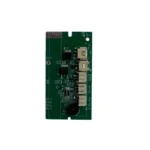
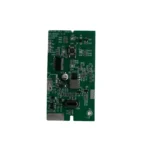
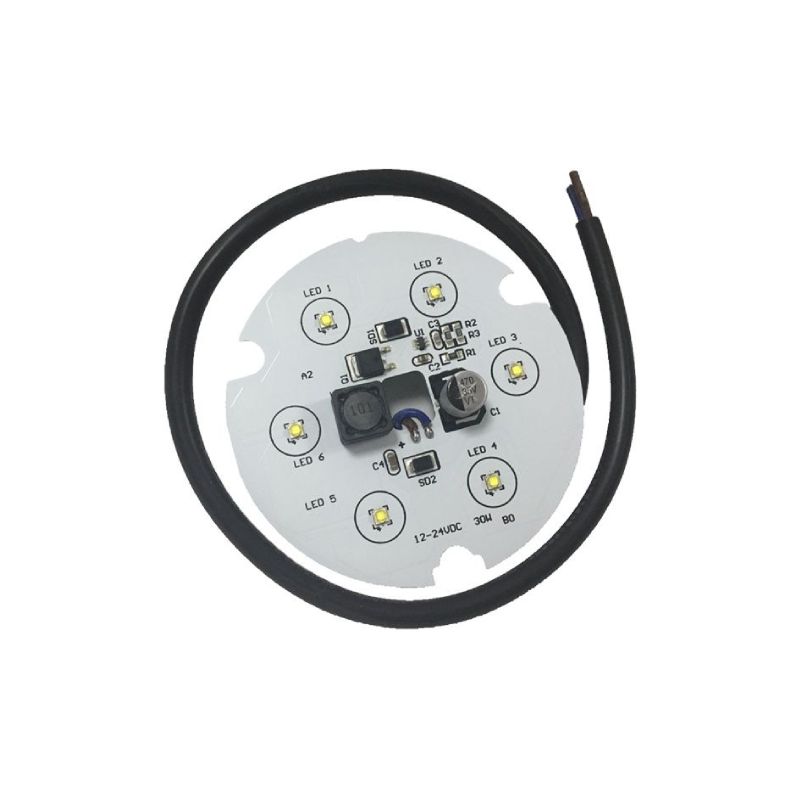
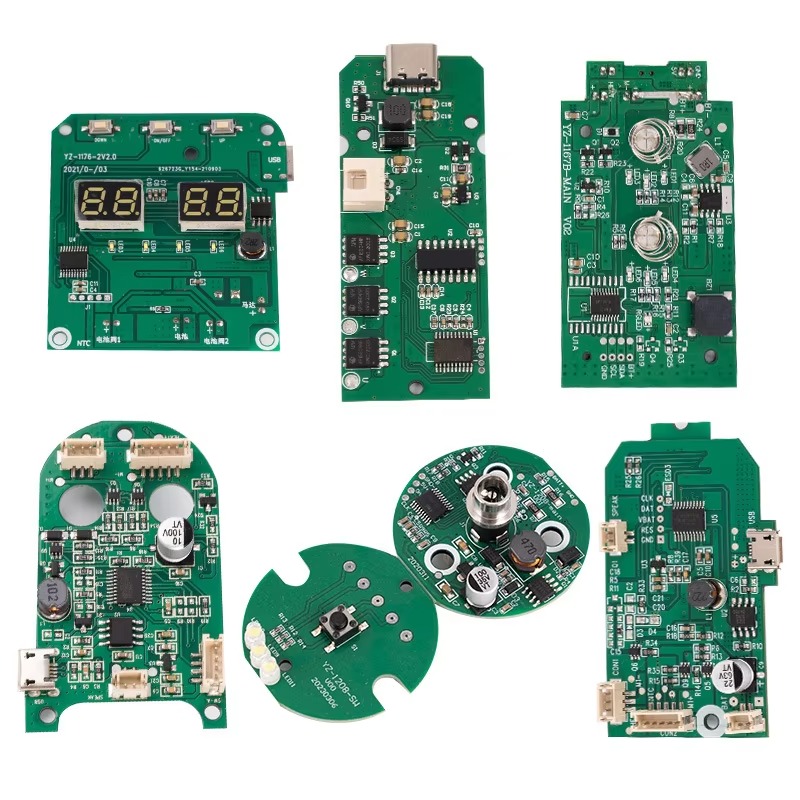
Portable Coffee Maker Smart Control Board PCBA: Powered by Advanced PCB Milling Machines
Introduction
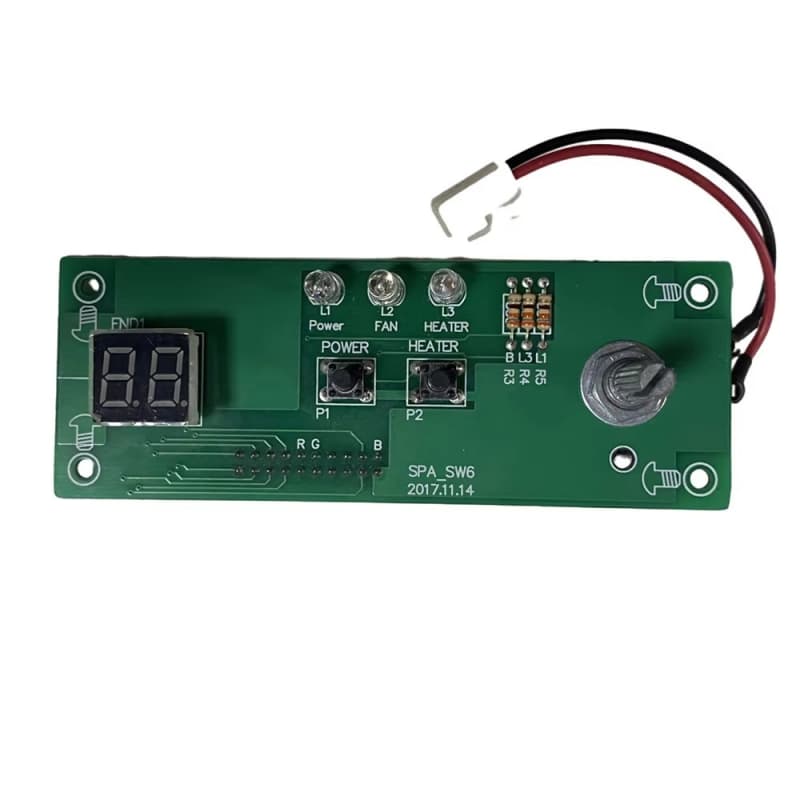
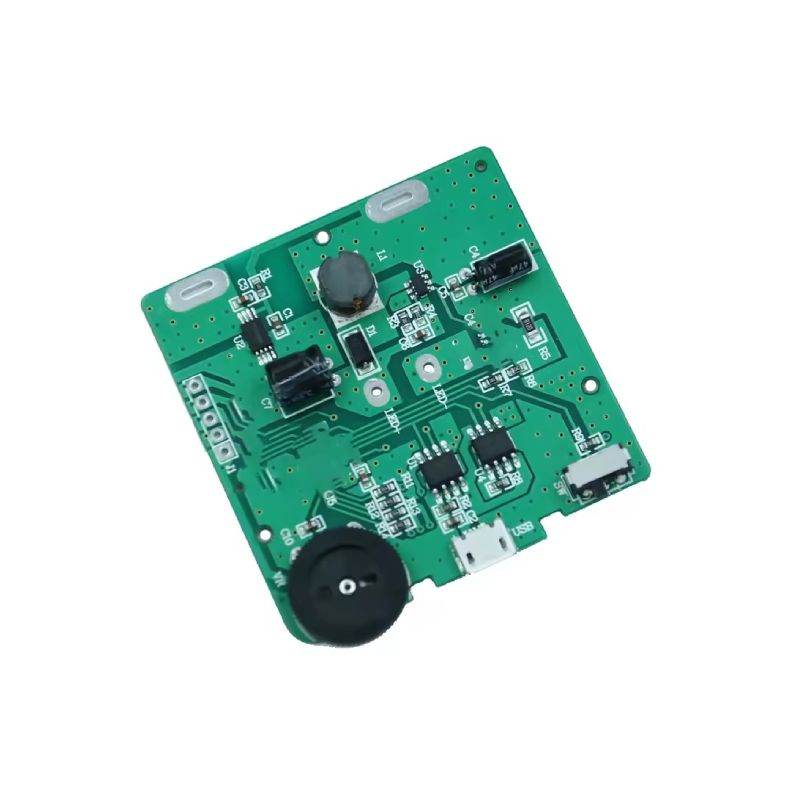
For Western B2B clients in the consumer electronics and smart appliance industries, reliability and innovation are essential. One product that exemplifies this is the Portable Coffee Maker Smart Control Board PCBA. This board is the “brain” of modern portable coffee makers, enabling smart features such as temperature regulation, brewing customization, and energy efficiency.
Behind its precision and functionality lies advanced manufacturing technology — particularly pcb milling machines. These machines ensure that every trace, via, and pad on the control board is produced with accuracy, consistency, and compliance with international standards.
Product Overview
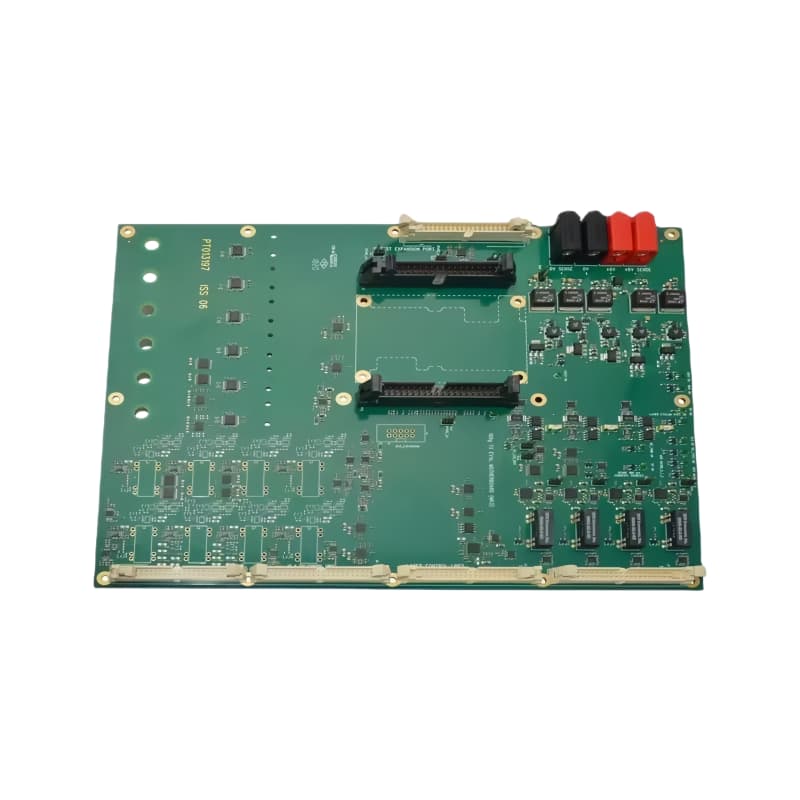
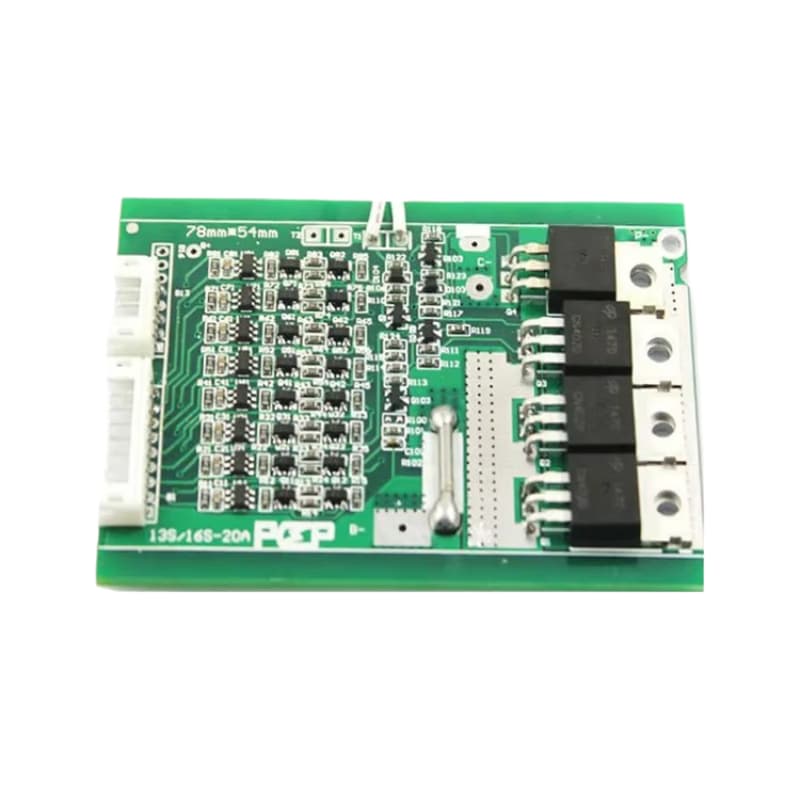
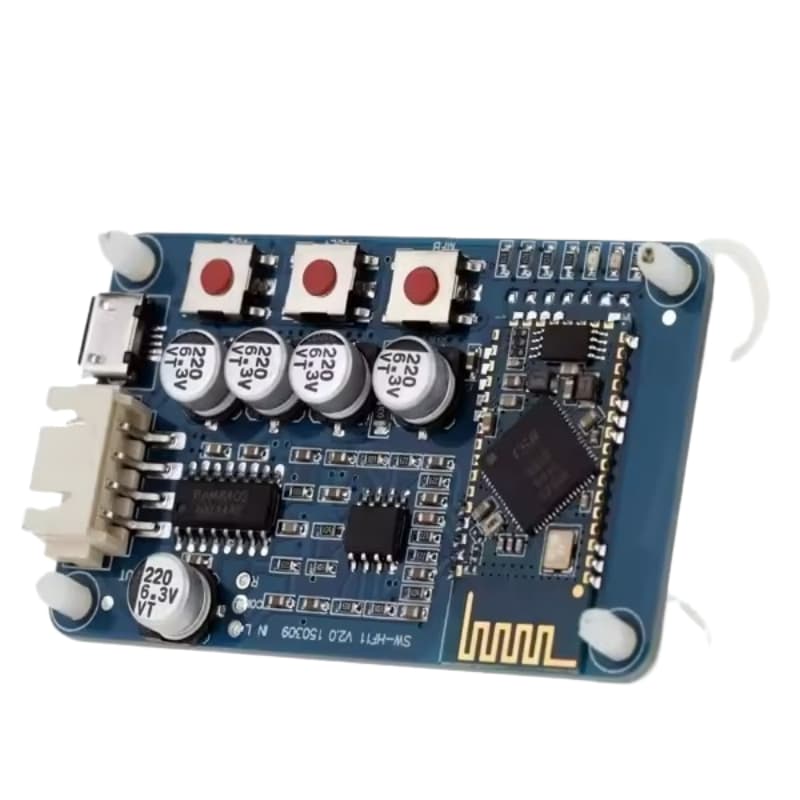
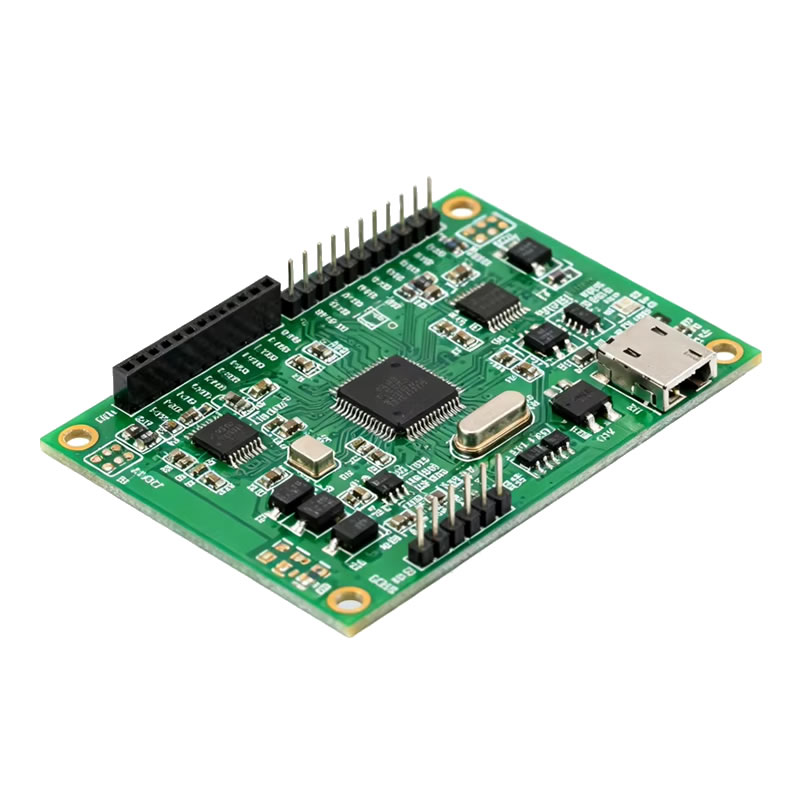
The Smart Control Board PCBA integrates microcontrollers, sensors, and power management circuits to deliver a seamless coffee-making experience. Designed for compact appliances, it balances performance with energy efficiency and user convenience.
Key Specifications:
- Microcontroller Unit (MCU): Controls brewing cycles and smart functions
- Sensor Integration: Temperature, water level, and pressure sensors
- Connectivity: Optional Bluetooth/Wi-Fi for app-based control
- Power Management: Optimized for portable, battery-powered operation
- Compliance: IPC-A-610, ISO 9001, RoHS
Role of PCB Milling Machines in Production
PCB milling machines are critical in manufacturing the Smart Control Board PCBA. Unlike traditional chemical etching, milling provides:
- Precision Routing: Clean, accurate traces for high-density designs
- Rapid Prototyping: Faster iterations for new product development
- Flexibility: Supports custom board shapes required by portable devices
- Reduced Waste: Environmentally friendly compared to chemical processes
By leveraging pcb milling machines, manufacturers deliver boards that meet Western B2B clients’ expectations for quality, sustainability, and scalability.
8 Essential Benefits for Western B2B Clients
- Enhanced Reliability – Precision milling ensures consistent signal integrity, reducing failures in smart coffee makers.
- Faster Time-to-Market – Rapid prototyping shortens development cycles, allowing quicker product launches.
- Cost Efficiency – Lower defect rates and minimized rework reduce overall production costs.
- Compliance Assurance – Boards meet IPC and ISO standards, easing entry into regulated markets.
- Scalability – Milling supports both prototype runs and mass production, ideal for B2B clients scaling operations.
- Customization – Flexible board shapes and layouts accommodate unique appliance designs.
- Transparency – Detailed production logs and inspection reports provide confidence to Western clients.
- Sustainability – Milling reduces chemical waste, aligning with environmental standards valued in Western markets.
Case Study: Portable Coffee Maker Launch
A Western appliance brand partnered with a supplier using advanced pcb milling machines to produce Smart Control Board PCBA.
- Challenge: Compact design with high-density circuits
- Solution: Precision milling ensured accurate routing and sensor integration
- Result: Defect rate dropped below 1%, production lead time reduced by 25%, and customer satisfaction increased due to reliable smart features
ROI Analysis
| Factor | Traditional PCB Production | PCB Milling Machines | Business Impact |
|---|---|---|---|
| Accuracy | ±80 µm | ±20 µm | Improved reliability |
| Defect Rate | 4–6% | Lower warranty costs | |
| Prototyping Speed | Weeks | Days | Faster product launch |
| Compliance | Limited | IPC/ISO certified | Easier market access |
FAQ Section
Q1: Why are pcb milling machines important for smart appliance PCBA? They ensure precision routing and rapid prototyping, critical for compact, high-density designs.
Q2: How does this technology reduce costs? By lowering defect rates and enabling faster iterations, it minimizes rework and accelerates ROI.
Q3: Is the Portable Coffee Maker Smart Control Board PCBA suitable for mass production? Yes, pcb milling machines support both prototyping and scalable production.
Q4: Does it meet Western compliance standards? Absolutely — IPC-A-610, ISO 9001, and RoHS compliance are guaranteed.
Product Overview: Portable Coffee Maker Smart Control Board PCBA
The Smart Control Board PCBA integrates microcontrollers, sensors, and power management circuits to deliver a seamless coffee-making experience. It is designed for compact appliances, balancing performance with energy efficiency.
Key Specifications:
- Microcontroller Unit (MCU): Controls brewing cycles and smart functions
- Sensor Integration: Temperature, water level, and pressure sensors
- Connectivity: Optional Bluetooth/Wi-Fi for app-based control
- Power Management: Optimized for portable, battery-powered operation
- Compliance: IPC-A-610, ISO 9001, RoHS
Role of PCB Milling Machines in Production
PCB milling machines are critical in manufacturing the Smart Control Board PCBA. Unlike traditional etching, milling provides:
- Precision Routing: Ensures clean, accurate traces for high-density designs
- Rapid Prototyping: Enables quick iterations for new product development
- Flexibility: Supports custom board shapes required by portable devices
- Reduced Waste: Environmentally friendly compared to chemical etching
By leveraging pcb milling machines, manufacturers can deliver boards that meet Western B2B clients’ expectations for quality and sustainability.
Business Benefits for Western B2B Clients
1. Enhanced Product Reliability
Accurate milling ensures consistent signal integrity, reducing failures in smart coffee makers.
2. Faster Time-to-Market
Rapid prototyping with pcb milling machines shortens development cycles, allowing quicker launches.
3. Cost Efficiency
Reduced defect rates and minimized rework lower overall production costs.
4. Compliance Assurance
Boards produced with advanced milling meet IPC and ISO standards, easing entry into regulated markets.
Case Study: Portable Coffee Maker Launch
A Western appliance brand partnered with a supplier using advanced pcb milling machines to produce Smart Control Board PCBA.
- Challenge: Compact design with high-density circuits
- Solution: Precision milling ensured accurate routing and sensor integration
- Result: Defect rate dropped below 1%, production lead time reduced by 25%, and customer satisfaction increased due to reliable smart features
ROI Analysis
| Factor | Traditional PCB Production | PCB Milling Machines | Business Impact |
|---|---|---|---|
| Accuracy | ±80 µm | ±20 µm | Improved reliability |
| Defect Rate | 4–6% | Lower warranty costs | |
| Prototyping Speed | Weeks | Days | Faster product launch |
| Compliance | Limited | IPC/ISO certified | Easier market access |
FAQ Section
Q1: Why are pcb milling machines important for smart appliance PCBA? They ensure precision routing and rapid prototyping, critical for compact, high-density designs.
Q2: How does this technology reduce costs? By lowering defect rates and enabling faster iterations, it minimizes rework and accelerates ROI.
Q3: Is the Portable Coffee Maker Smart Control Board PCBA suitable for mass production? Yes, pcb milling machines support both prototyping and scalable production.
Q4: Does it meet Western compliance standards? Absolutely — IPC-A-610, ISO 9001, and RoHS compliance are guaranteed.
Conclusion
The Portable Coffee Maker Smart Control Board PCBA, manufactured with advanced pcb milling machines, represents the perfect blend of innovation and reliability. For Western B2B clients, it offers not only a high-quality product but also assurance of compliance, scalability, and cost efficiency.
By choosing partners equipped with modern pcb milling machines, businesses can confidently deliver smart appliances that meet consumer expectations and strengthen their competitive edge.