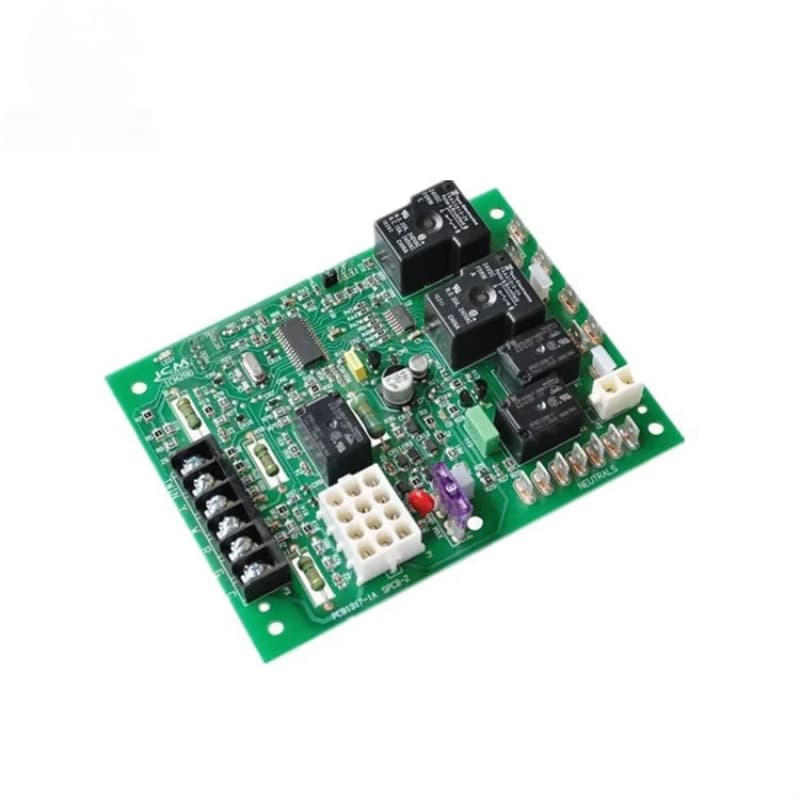
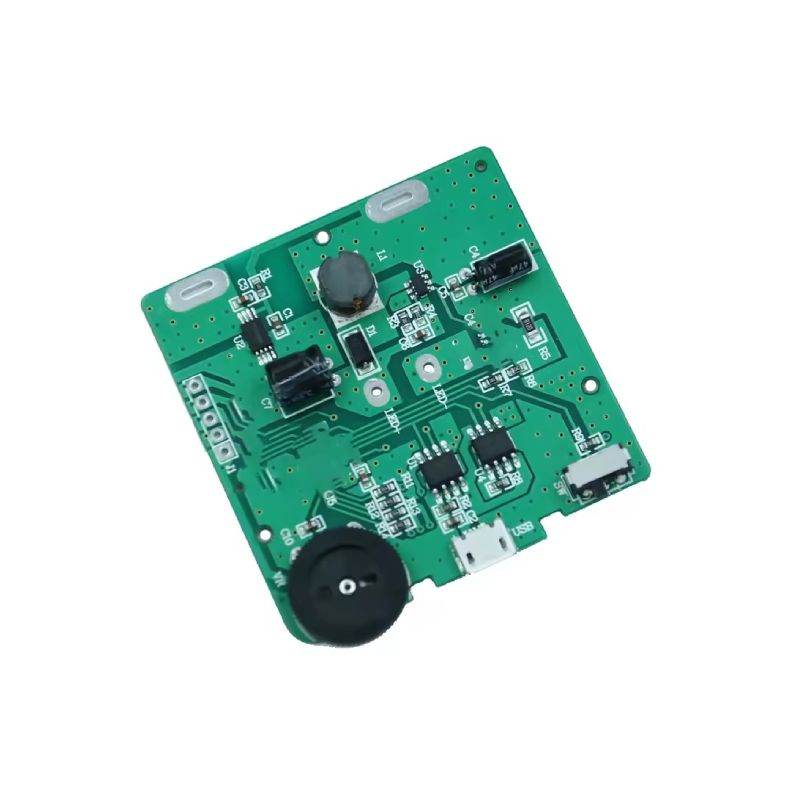
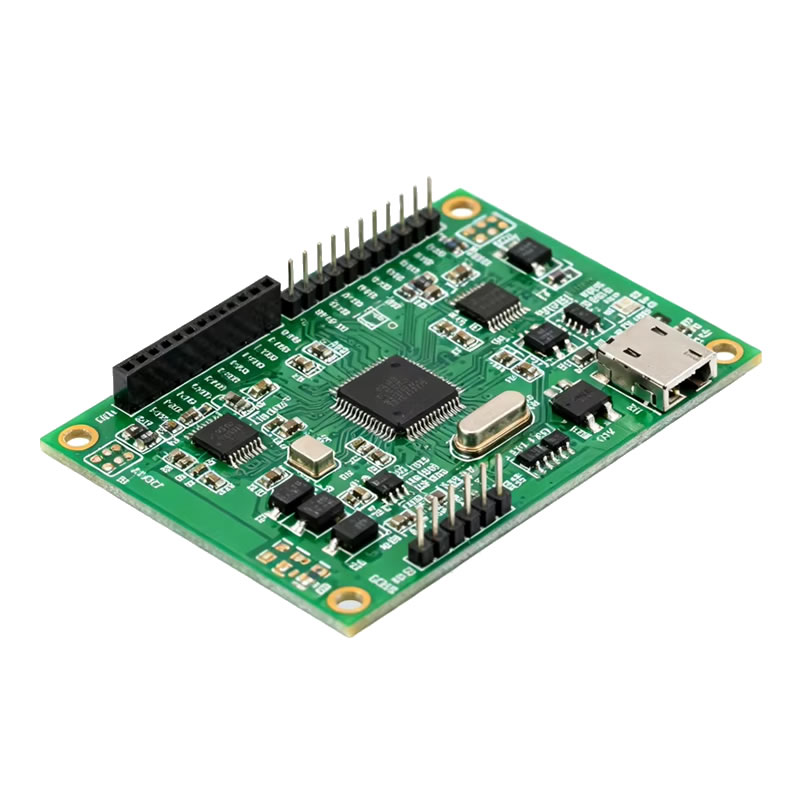
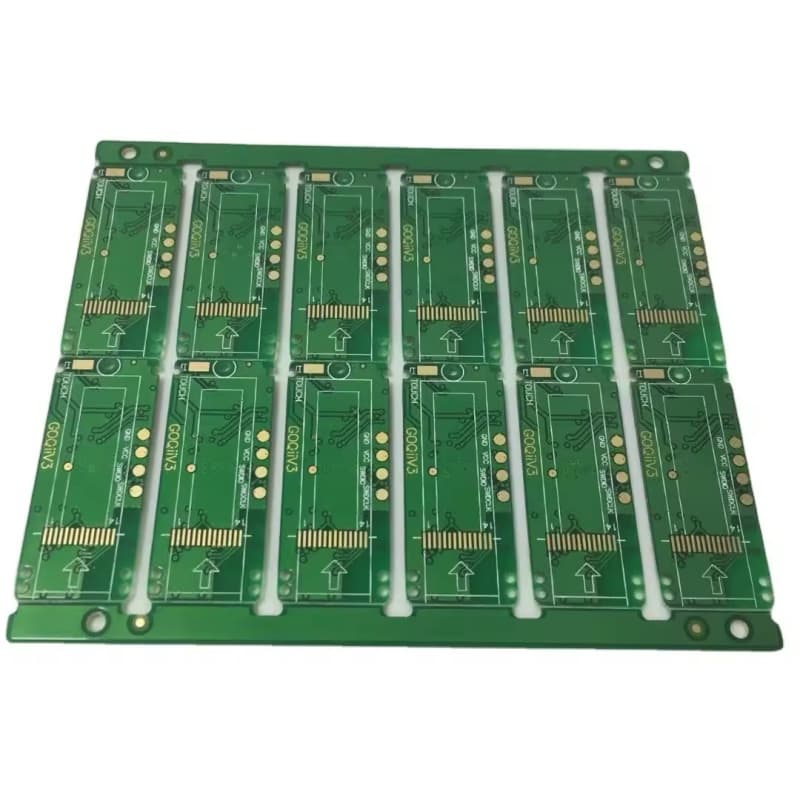
 PCB & PCBA Manufacturer



Accelerating Innovation: How Integrated PCB Prototype Machines and Expert PCBA Assembly Services Transform B2B Electronics Development
Introduction: The Unseen Bottleneck in Modern Electronics Development
In today’s hyper-competitive global electronics market, speed isn’t just an advantage—it’s a survival imperative. For engineering teams at medical device manufacturers, IoT startups, automotive suppliers, and industrial equipment firms, the journey from schematic to functional prototype can make or break product launches. Yet, a critical bottleneck persists: fragmented prototyping workflows.
Traditionally, design teams submit Gerber files to a PCB fabricator (waiting 5–10 days), receive bare boards, then ship them to an assembly partner (another 7–14 days). Misaligned specifications, shipping delays, and communication gaps between vendors cascade into costly revisions, missed deadlines, and frustrated stakeholders.
What if this cycle could compress from weeks to days?
At the heart of this transformation lies a strategic integration rarely discussed in B2B procurement conversations: advanced PCB prototype machines working in seamless synergy with precision PCBA assembly capabilities. This isn’t about selling machinery—it’s about leveraging purpose-built prototyping technology within a vertically integrated service model to deliver what global engineering leaders truly need: predictable velocity, uncompromised quality, and engineering partnership.
This comprehensive guide explores why modern B2B clients—from Fortune 500 R&D divisions to agile hardware startups—are redefining their prototyping strategy. We’ll dissect the technology, process, and human expertise behind rapid-turnaround PCB/PCBA services, address critical selection criteria, and demonstrate how strategic prototyping accelerates time-to-market without sacrificing reliability.
Part 1: Why “PCB Prototype Machine” Capability Matters More Than You Think (Beyond the Buzzword)
Let’s clarify terminology first. When industry professionals search for “pcb prototype machine,” they’re rarely seeking to purchase equipment. Instead, they’re signaling a need: “I require a service provider with in-house, rapid-turnaround capability to fabricate and assemble prototype PCBs with minimal latency.”
This distinction is critical.
The Hidden Cost of Disconnected Workflows
- Time Leakage: Shipping bare boards between vendors adds 3–7 days of non-value-added transit.
- Revision Risk: A 0.1mm trace error discovered during assembly requires restarting the entire fabrication cycle.
- IP Vulnerability: Multiple handoffs increase exposure of sensitive designs.
- Accountability Gaps: “Was the defect from fabrication or assembly?” delays root-cause analysis.
How Integrated PCB Prototype Machines Solve This
Modern rapid-prototyping systems (e.g., LPKF ProtoMat®, Bungard CAMM™, or industrial-grade CNC milling/laser systems) enable service providers to:
✅ Produce bare PCBs in-house within 24–72 hours for 1–10 layer boards
✅ Iterate designs overnight without factory minimums or scheduling delays
✅ Validate impedance, layer alignment, and thermal performance before assembly
✅ Maintain full chain-of-custody for design integrity and IP security
Crucially, this capability only delivers value when paired with expert PCBA assembly. A flawless bare board is useless if components aren’t placed with micron-level precision. True innovation happens at the integration point—where prototype fabrication and assembly operate as a unified workflow under one quality management system.
Part 2: Inside the Workflow: From Your Gerber Files to Functional Prototype in 72 Hours
Transparency builds trust. Here’s exactly how a vertically integrated service leverages PCB prototype machines and assembly expertise:
Phase 1: Design Validation & DFM Analysis (Pre-Production)
- Automated DFM Check: Our engineers run your Gerber, BOM, and centroid files through IPC-7351-compliant software. We flag issues before production:
- Solder mask slivers
- Component footprint mismatches
- Thermal relief inadequacies
- Test point accessibility
- Collaborative Review: Within 4 business hours, you receive a detailed report with actionable recommendations. No jargon—just clear visuals and solutions.
Phase 2: Rapid Bare Board Fabrication (Powered by PCB Prototype Machines)
- Material Selection: FR-4 (standard), High-Tg, Rogers® (RF), or flexible substrates based on your application.
- In-House Milling/Etching: Using precision PCB prototype machines:
- Laser direct imaging (LDI) for <25µm trace/space
- CNC routing for complex outlines
- Automated optical inspection (AOI) of bare boards
- Turnaround: 24 hours for 2-layer prototypes; 48 hours for 4–6 layers.
Phase 3: Precision PCBA Assembly (Where Engineering Meets Execution)
- SMT Line Capabilities:
- Fuji NXT III / Siemens SIPLACE placement (±15µm accuracy)
- 01005 components, 0.3mm pitch BGAs, QFNs, and embedded passives
- Nitrogen-reflow profiling for lead-free (SAC305) and leaded processes
- Mixed-Technology Support:
- Through-hole (wave soldering, selective soldering)
- Conformal coating ( acrylic, urethane, parylene)
- Potting, heat-sink mounting, cable assembly integration
- Real-Time Traceability: Every board scanned at 12+ process checkpoints. Full component lot tracking.
Phase 4: Rigorous Validation & Delivery
- In-Circuit Testing (ICT): Custom fixtures for functional verification
- Flying Probe Testing: For low-volume prototypes without dedicated fixtures
- X-Ray Inspection: For BGA void analysis (IPC-A-610 Class 2/3 compliant)
- Final Report: Includes AOI images, X-ray results, test logs, and signed-off checklist
- Secure Shipping: Vacuum-sealed with humidity indicators; tracked globally
Result: A fully tested, documented prototype ready for your lab—often within 72 hours of design approval.
Part 3: Quality Isn’t Optional: Certifications, Standards, and Your Risk Mitigation
B2B clients operate in regulated environments. Guesswork isn’t acceptable.
Our Quality Framework
表格
| Standard | Application | Your Assurance |
| ISO 9001:2015 | Quality Management | Documented processes, continuous improvement |
| IPC-A-610 Class 2/3 | Acceptability of Electronics | Visual standards for soldering, component placement |
| IPC-J-STD-001 | Soldering Requirements | Certified technicians, material handling protocols |
| RoHS/REACH Compliant | Environmental Safety | Full material declarations (IMDS), conflict mineral reporting |
| ESD-S20.20 | Electrostatic Protection | Wrist straps, ionizers, grounded workstations |
Beyond Compliance: Proactive Risk Control
- Component Sourcing Integrity:
- Authorized distributor partnerships (Arrow, Avnet, Digi-Key)
- Counterfeit mitigation: XRF screening, date code verification
- Alternate part suggestions before quoting to avoid obsolescence
- Process Control:
- SPC (Statistical Process Control) on solder paste volume, placement accuracy
- Humidity-controlled storage for moisture-sensitive devices (MSL 3–6)
- First-article inspection (FAI) reports available upon request
Part 4: Real Impact—Case Studies from Global B2B Partners
Case Study 1: Medical Wearable Startup (Silicon Valley)
Challenge: Needed 5 functional prototypes of a Bluetooth LE biosensor board in 5 days to secure Series A funding. Previous vendor quoted 18 days.
Solution:
- Used in-house PCB prototype machine for 4-layer impedance-controlled board (24 hrs)
- Assembled with 0.4mm pitch BGAs and flex-rigid connectors
- Performed functional test simulating 72-hour battery drain cycle
Result: Prototypes delivered in 96 hours. Client secured $ 4.2M funding. Zero design revisions required.
Case Study 2: Industrial Automation OEM (Germany)
Challenge: Field failure in legacy control board. Required urgent root-cause analysis and revised prototype for validation.
Solution:
- Reverse-engineered failure point via X-ray and cross-section analysis
- Fabricated revised board using high-Tg material (in-house prototype machine)
- Assembled with automotive-grade components; performed HALT testing
Result: Root cause identified (thermal via design flaw). Revised prototype validated in 6 days. Production ramp accelerated by 3 weeks.
Part 5: Choosing Your Prototyping Partner—7 Questions Every B2B Buyer Should Ask
Don’t just compare quotes. Evaluate capability:
- “Do you fabricate bare boards in-house using PCB prototype machines, or outsource fabrication?”
(If outsourced: Expect delays, less control, higher revision costs) - “What is your standard turnaround for a 4-layer PCBA prototype with BGAs?”
(Transparent providers state clear timelines: e.g., “72 hours from approved files”) - “How do you handle component shortages or obsolescence?”
(Look for proactive engineering support, not just “we’ll notify you”) - “Can I speak directly with the process engineer assigned to my project?”
(True partnership = accessible expertise) - “What documentation accompanies the prototype?”
(Expect: Test reports, X-ray images, material certs—not just a box of boards) - “Are your technicians IPC-certified? How often is training refreshed?”
(Quality is human-driven) - “What happens if a defect is found post-delivery?”
(Robust providers have clear corrective action protocols)
Part 6: FAQs—Addressing Your Top Concerns
Q: Do you sell PCB prototype machines?
A: No. We are a service provider. We invest heavily in advanced PCB prototype machines and assembly lines to deliver faster, higher-quality prototypes for your projects. You benefit from the technology without capital expenditure, maintenance, or operational overhead.
Q: What’s the minimum order quantity (MOQ)?
A: 1 piece. We specialize in low-volume, high-mix prototyping. No setup fees hidden in small batches.
Q: How do you ensure my IP remains protected?
A: We sign NDAs proactively. All staff undergo IP confidentiality training. Designs are accessible only to your dedicated project team. Data encrypted at rest and in transit.
Q: Can you support RoHS, REACH, and other regional compliance?
A: Absolutely. We provide full material declarations (IMDS), conflict mineral reports, and compliance documentation tailored to your target market (EU, US, China, etc.).
Q: What file formats do you accept?
A: Gerber (RS-274X), ODB++, IPC-2581; BOM (Excel, CSV); Centroid (Pick-and-Place); STEP files for mechanical validation.
Conclusion: Your Prototype Isn’t Just a Sample—It’s Your Strategic Advantage
In the race to innovate, every hour counts. Fragmented prototyping workflows drain engineering resources, inflate costs, and delay market entry. By integrating advanced PCB prototype machine capabilities with expert PCBA assembly under one roof, forward-thinking service providers eliminate these friction points—transforming prototyping from a logistical hurdle into a catalyst for agility.
This isn’t merely about speed. It’s about:
🔹 Confidence: Knowing your prototype reflects production-intent quality
🔹 Collaboration: Engineering dialogue that prevents errors before they occur
🔹 Continuity: A single point of accountability from design to delivery
🔹 Competitiveness: Launching products faster while competitors navigate vendor handoffs
Whether you’re validating a breakthrough sensor design, iterating on a critical firmware update, or preparing for investor demos—your prototype partner should amplify your team’s brilliance, not complicate it.
Ready to Accelerate Your Next Project?
Take the next step with zero obligation:
1️⃣ Upload your files at [YourWebsite.com/quote] for an instant DFM analysis and quote
2️⃣ Schedule a 15-minute engineering consultation with our prototyping specialists
3️⃣ Request our Prototyping Playbook: “10 DFM Mistakes That Delay Hardware Launches (And How to Avoid Them)”
Trusted by engineering teams at [Client Industry Examples: MedTech Innovators, Automotive Tier-1 Suppliers, IoT Scale-Ups] across North America, Europe, and APAC.
Your innovation deserves a partner engineered for speed, precision, and partnership. Let’s build what’s next—together.
Introduction: The Unseen Bottleneck in Modern Electronics Development
In today’s hyper-competitive global electronics market, speed isn’t just an advantage—it’s a survival imperative. For engineering teams at medical device manufacturers, IoT startups, automotive suppliers, and industrial equipment firms, the journey from schematic to functional prototype can make or break product launches. Yet, a critical bottleneck persists: fragmented prototyping workflows.
Traditionally, design teams submit Gerber files to a PCB fabricator (waiting 5–10 days), receive bare boards, then ship them to an assembly partner (another 7–14 days). Misaligned specifications, shipping delays, and communication gaps between vendors cascade into costly revisions, missed deadlines, and frustrated stakeholders.
What if this cycle could compress from weeks to days?
At the heart of this transformation lies a strategic integration rarely discussed in B2B procurement conversations: advanced PCB prototype machines working in seamless synergy with precision PCBA assembly capabilities. This isn’t about selling machinery—it’s about leveraging purpose-built prototyping technology within a vertically integrated service model to deliver what global engineering leaders truly need: predictable velocity, uncompromised quality, and engineering partnership.
This comprehensive guide explores why modern B2B clients—from Fortune 500 R&D divisions to agile hardware startups—are redefining their prototyping strategy. We’ll dissect the technology, process, and human expertise behind rapid-turnaround PCB/PCBA services, address critical selection criteria, and demonstrate how strategic prototyping accelerates time-to-market without sacrificing reliability.
Part 1: Why “PCB Prototype Machine” Capability Matters More Than You Think (Beyond the Buzzword)
Let’s clarify terminology first. When industry professionals search for “pcb prototype machine,” they’re rarely seeking to purchase equipment. Instead, they’re signaling a need: “I require a service provider with in-house, rapid-turnaround capability to fabricate and assemble prototype PCBs with minimal latency.”
This distinction is critical.
The Hidden Cost of Disconnected Workflows
- Time Leakage: Shipping bare boards between vendors adds 3–7 days of non-value-added transit.
- Revision Risk: A 0.1mm trace error discovered during assembly requires restarting the entire fabrication cycle.
- IP Vulnerability: Multiple handoffs increase exposure of sensitive designs.
- Accountability Gaps: “Was the defect from fabrication or assembly?” delays root-cause analysis.
How Integrated PCB Prototype Machines Solve This
Modern rapid-prototyping systems (e.g., LPKF ProtoMat®, Bungard CAMM™, or industrial-grade CNC milling/laser systems) enable service providers to:
✅ Produce bare PCBs in-house within 24–72 hours for 1–10 layer boards
✅ Iterate designs overnight without factory minimums or scheduling delays
✅ Validate impedance, layer alignment, and thermal performance before assembly
✅ Maintain full chain-of-custody for design integrity and IP security
Crucially, this capability only delivers value when paired with expert PCBA assembly. A flawless bare board is useless if components aren’t placed with micron-level precision. True innovation happens at the integration point—where prototype fabrication and assembly operate as a unified workflow under one quality management system.
Part 2: Inside the Workflow: From Your Gerber Files to Functional Prototype in 72 Hours
Transparency builds trust. Here’s exactly how a vertically integrated service leverages PCB prototype machines and assembly expertise:
Phase 1: Design Validation & DFM Analysis (Pre-Production)
- Automated DFM Check: Our engineers run your Gerber, BOM, and centroid files through IPC-7351-compliant software. We flag issues before production:
- Solder mask slivers
- Component footprint mismatches
- Thermal relief inadequacies
- Test point accessibility
- Collaborative Review: Within 4 business hours, you receive a detailed report with actionable recommendations. No jargon—just clear visuals and solutions.
Phase 2: Rapid Bare Board Fabrication (Powered by PCB Prototype Machines)
- Material Selection: FR-4 (standard), High-Tg, Rogers® (RF), or flexible substrates based on your application.
- In-House Milling/Etching: Using precision PCB prototype machines:
- Laser direct imaging (LDI) for <25µm trace/space
- CNC routing for complex outlines
- Automated optical inspection (AOI) of bare boards
- Turnaround: 24 hours for 2-layer prototypes; 48 hours for 4–6 layers.
Phase 3: Precision PCBA Assembly (Where Engineering Meets Execution)
- SMT Line Capabilities:
- Fuji NXT III / Siemens SIPLACE placement (±15µm accuracy)
- 01005 components, 0.3mm pitch BGAs, QFNs, and embedded passives
- Nitrogen-reflow profiling for lead-free (SAC305) and leaded processes
- Mixed-Technology Support:
- Through-hole (wave soldering, selective soldering)
- Conformal coating ( acrylic, urethane, parylene)
- Potting, heat-sink mounting, cable assembly integration
- Real-Time Traceability: Every board scanned at 12+ process checkpoints. Full component lot tracking.
Phase 4: Rigorous Validation & Delivery
- In-Circuit Testing (ICT): Custom fixtures for functional verification
- Flying Probe Testing: For low-volume prototypes without dedicated fixtures
- X-Ray Inspection: For BGA void analysis (IPC-A-610 Class 2/3 compliant)
- Final Report: Includes AOI images, X-ray results, test logs, and signed-off checklist
- Secure Shipping: Vacuum-sealed with humidity indicators; tracked globally
Result: A fully tested, documented prototype ready for your lab—often within 72 hours of design approval.
Part 3: Quality Isn’t Optional: Certifications, Standards, and Your Risk Mitigation
B2B clients operate in regulated environments. Guesswork isn’t acceptable.
Our Quality Framework
表格
| Standard | Application | Your Assurance |
| ISO 9001:2015 | Quality Management | Documented processes, continuous improvement |
| IPC-A-610 Class 2/3 | Acceptability of Electronics | Visual standards for soldering, component placement |
| IPC-J-STD-001 | Soldering Requirements | Certified technicians, material handling protocols |
| RoHS/REACH Compliant | Environmental Safety | Full material declarations (IMDS), conflict mineral reporting |
| ESD-S20.20 | Electrostatic Protection | Wrist straps, ionizers, grounded workstations |
Beyond Compliance: Proactive Risk Control
- Component Sourcing Integrity:
- Authorized distributor partnerships (Arrow, Avnet, Digi-Key)
- Counterfeit mitigation: XRF screening, date code verification
- Alternate part suggestions before quoting to avoid obsolescence
- Process Control:
- SPC (Statistical Process Control) on solder paste volume, placement accuracy
- Humidity-controlled storage for moisture-sensitive devices (MSL 3–6)
- First-article inspection (FAI) reports available upon request
Part 4: Real Impact—Case Studies from Global B2B Partners
Case Study 1: Medical Wearable Startup (Silicon Valley)
Challenge: Needed 5 functional prototypes of a Bluetooth LE biosensor board in 5 days to secure Series A funding. Previous vendor quoted 18 days.
Solution:
- Used in-house PCB prototype machine for 4-layer impedance-controlled board (24 hrs)
- Assembled with 0.4mm pitch BGAs and flex-rigid connectors
- Performed functional test simulating 72-hour battery drain cycle
Result: Prototypes delivered in 96 hours. Client secured $ 4.2M funding. Zero design revisions required.
Case Study 2: Industrial Automation OEM (Germany)
Challenge: Field failure in legacy control board. Required urgent root-cause analysis and revised prototype for validation.
Solution:
- Reverse-engineered failure point via X-ray and cross-section analysis
- Fabricated revised board using high-Tg material (in-house prototype machine)
- Assembled with automotive-grade components; performed HALT testing
Result: Root cause identified (thermal via design flaw). Revised prototype validated in 6 days. Production ramp accelerated by 3 weeks.
Part 5: Choosing Your Prototyping Partner—7 Questions Every B2B Buyer Should Ask
Don’t just compare quotes. Evaluate capability:
- “Do you fabricate bare boards in-house using PCB prototype machines, or outsource fabrication?”
(If outsourced: Expect delays, less control, higher revision costs) - “What is your standard turnaround for a 4-layer PCBA prototype with BGAs?”
(Transparent providers state clear timelines: e.g., “72 hours from approved files”) - “How do you handle component shortages or obsolescence?”
(Look for proactive engineering support, not just “we’ll notify you”) - “Can I speak directly with the process engineer assigned to my project?”
(True partnership = accessible expertise) - “What documentation accompanies the prototype?”
(Expect: Test reports, X-ray images, material certs—not just a box of boards) - “Are your technicians IPC-certified? How often is training refreshed?”
(Quality is human-driven) - “What happens if a defect is found post-delivery?”
(Robust providers have clear corrective action protocols)
Part 6: FAQs—Addressing Your Top Concerns
Q: Do you sell PCB prototype machines?
A: No. We are a service provider. We invest heavily in advanced PCB prototype machines and assembly lines to deliver faster, higher-quality prototypes for your projects. You benefit from the technology without capital expenditure, maintenance, or operational overhead.
Q: What’s the minimum order quantity (MOQ)?
A: 1 piece. We specialize in low-volume, high-mix prototyping. No setup fees hidden in small batches.
Q: How do you ensure my IP remains protected?
A: We sign NDAs proactively. All staff undergo IP confidentiality training. Designs are accessible only to your dedicated project team. Data encrypted at rest and in transit.
Q: Can you support RoHS, REACH, and other regional compliance?
A: Absolutely. We provide full material declarations (IMDS), conflict mineral reports, and compliance documentation tailored to your target market (EU, US, China, etc.).
Q: What file formats do you accept?
A: Gerber (RS-274X), ODB++, IPC-2581; BOM (Excel, CSV); Centroid (Pick-and-Place); STEP files for mechanical validation.
Conclusion: Your Prototype Isn’t Just a Sample—It’s Your Strategic Advantage
In the race to innovate, every hour counts. Fragmented prototyping workflows drain engineering resources, inflate costs, and delay market entry. By integrating advanced PCB prototype machine capabilities with expert PCBA assembly under one roof, forward-thinking service providers eliminate these friction points—transforming prototyping from a logistical hurdle into a catalyst for agility.
This isn’t merely about speed. It’s about:
🔹 Confidence: Knowing your prototype reflects production-intent quality
🔹 Collaboration: Engineering dialogue that prevents errors before they occur
🔹 Continuity: A single point of accountability from design to delivery
🔹 Competitiveness: Launching products faster while competitors navigate vendor handoffs
Whether you’re validating a breakthrough sensor design, iterating on a critical firmware update, or preparing for investor demos—your prototype partner should amplify your team’s brilliance, not complicate it.
Ready to Accelerate Your Next Project?
Take the next step with zero obligation:
1️⃣ Upload your files at [YourWebsite.com/quote] for an instant DFM analysis and quote
2️⃣ Schedule a 15-minute engineering consultation with our prototyping specialists
3️⃣ Request our Prototyping Playbook: “10 DFM Mistakes That Delay Hardware Launches (And How to Avoid Them)”
Trusted by engineering teams at [Client Industry Examples: MedTech Innovators, Automotive Tier-1 Suppliers, IoT Scale-Ups] across North America, Europe, and APAC.
Your innovation deserves a partner engineered for speed, precision, and partnership. Let’s build what’s next—together.
Comprehensive Guide to PCB Prototype Machine and PCBA Assembly Services for B2B Clients
In the global electronics industry, speed, precision, and reliability are the cornerstones of success. For B2B clients, especially those in medical devices, automotive, telecommunications, and industrial equipment, the ability to move from design to prototype quickly can determine market competitiveness. At [Your Company Name], we specialize in PCBA and PCB assembly services, with a strong emphasis on pcb prototype machine solutions that accelerate innovation and reduce time-to-market.
Understanding PCB Prototype Machines
A pcb prototype machine is a specialized tool that enables rapid fabrication of printed circuit boards for testing and validation. Unlike traditional outsourcing models, in-house prototype machines allow service providers to deliver prototypes within 24–72 hours, minimizing delays and reducing risks.
Key Benefits
- Rapid Prototyping: Compresses development cycles from weeks to days.
- Design Validation: Identifies layout and performance issues early.
- Cost Efficiency: Reduces expenses by catching errors before mass production.
- IP Security: Maintains confidentiality by minimizing external handoffs.
Integrated Workflow: PCB Prototype Machine + PCBA Assembly
The true value of a pcb prototype machine emerges when paired with expert PCBA assembly. A flawless bare board is only the beginning; precision component placement and soldering are essential for functional prototypes.
Workflow Overview
- Design Validation: DFM analysis ensures manufacturability.
- Rapid Fabrication: Prototype machines produce boards in-house within 24–72 hours.
- Assembly: SMT and THT processes integrate components with micron-level accuracy.
- Testing: AOI, ICT, and X-ray inspection guarantee reliability.
- Delivery: Fully tested prototypes shipped globally.
Why B2B Clients Choose Us
Speed and Efficiency
Our integrated workflow reduces prototyping cycles dramatically, enabling clients to validate designs faster.
Advanced Capabilities
We support complex boards, including HDI, rigid-flex, and high-frequency designs.
Quality Assurance
Compliance with IPC, ISO, and RoHS standards ensures prototypes meet global requirements.
Flexibility
From single prototypes to pilot runs, we adapt to client needs.
Partnership
We build long-term relationships by offering engineering support and transparent communication.
Industries We Serve
- Medical Devices: Precision prototypes for diagnostic equipment.
- Automotive: Durable boards for safety and control systems.
- Telecommunications: High-frequency prototypes for networking equipment.
- Industrial Equipment: Rugged boards for automation and control.
- Consumer Electronics: Rapid prototyping for high-volume devices.
Case Studies
Case Study 1: Medical Startup
A Silicon Valley medtech company needed prototypes in 5 days to secure funding. Using our pcb prototype machine, we delivered functional boards in 96 hours, enabling successful investor presentations.
Case Study 2: Automotive OEM
A German automotive supplier required urgent prototypes for driver-assistance systems. We fabricated and assembled boards in-house, meeting stringent automotive standards within one week.
Case Study 3: Telecom Client
A European telecom firm needed 5G prototypes. Our integrated workflow delivered validated boards in 72 hours, accelerating product launch.
Compliance and Certifications
We adhere to international standards:
- ISO 9001:2015: Quality management.
- IPC-A-610 Class 2/3: Acceptability of electronic assemblies.
- IPC-J-STD-001: Soldering requirements.
- RoHS/REACH: Environmental compliance.
- ESD-S20.20: Electrostatic protection.
Competitive Advantages
- Cost Efficiency: Reduced overhead and waste.
- Technical Expertise: Experienced engineers ensure manufacturability.
- Customization: Tailored solutions for unique requirements.
- Reliability: Proven track record of defect-free prototypes.
Future Outlook
As electronics evolve, pcb prototype machines will become even more critical. We continue to invest in automation, AI-driven inspection, and advanced materials to stay ahead of industry trends.
Conclusion
For B2B clients seeking a reliable partner in pcb prototype machine and PCBA assembly services, [Your Company Name] offers unmatched expertise, speed, and scalability. Our integrated workflow ensures that prototypes are delivered on time, with superior performance and compliance.