PCBA Assembly & Electronics Manufacturing Services Provider

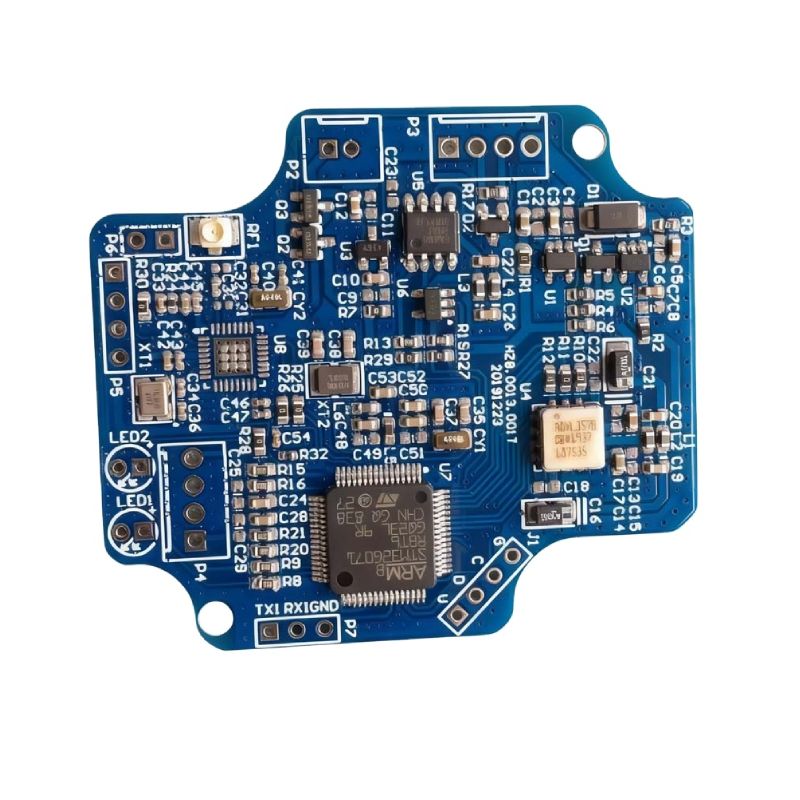
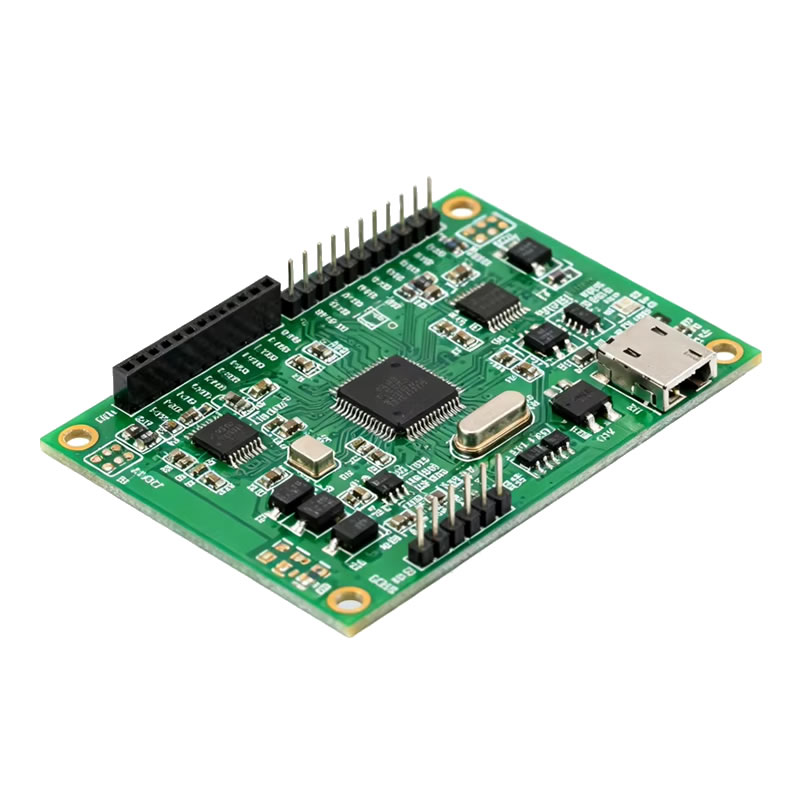
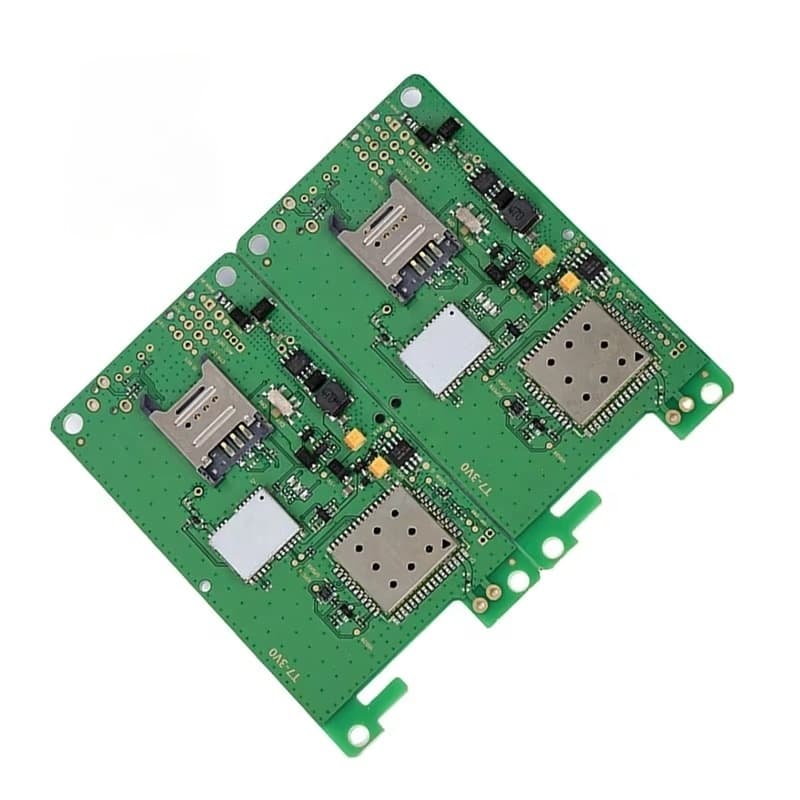
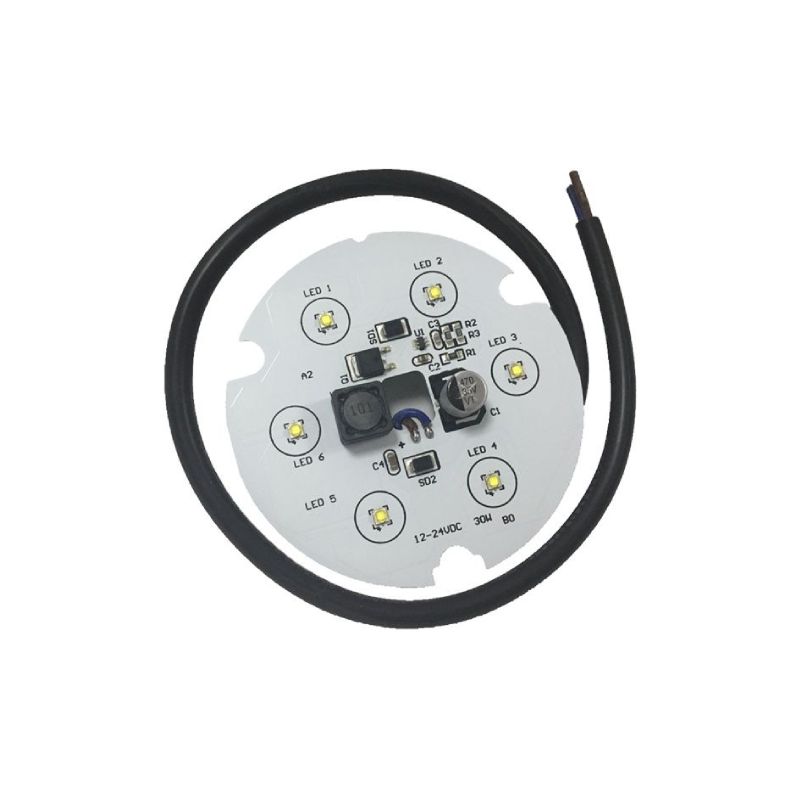
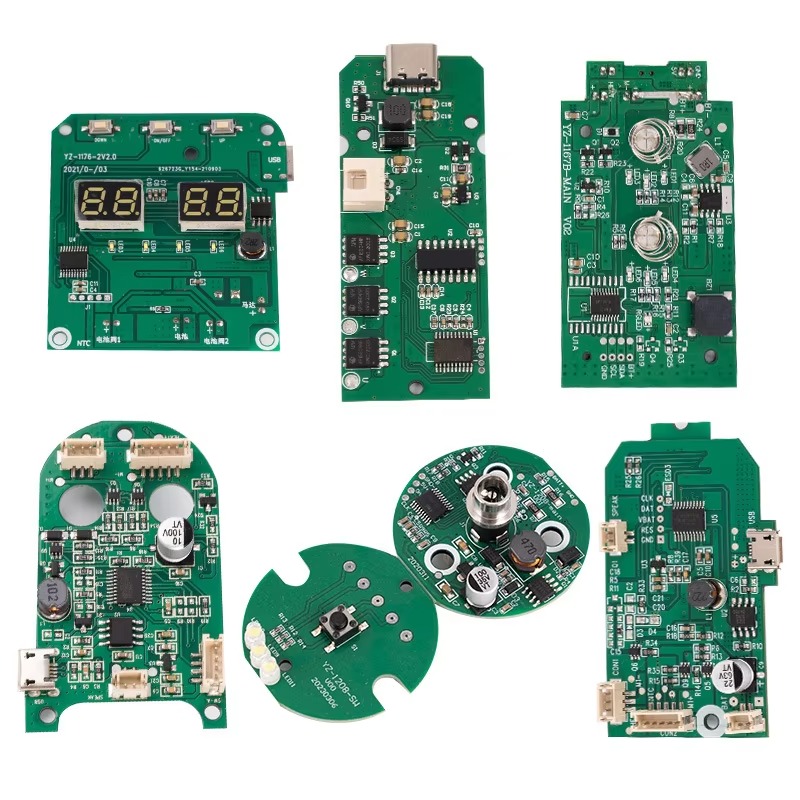
Pressure Sensor PCBA Solutions - One-stop PCBA Solutions

Sensors & Actuators PCBA/Industrial Automation PCBA/


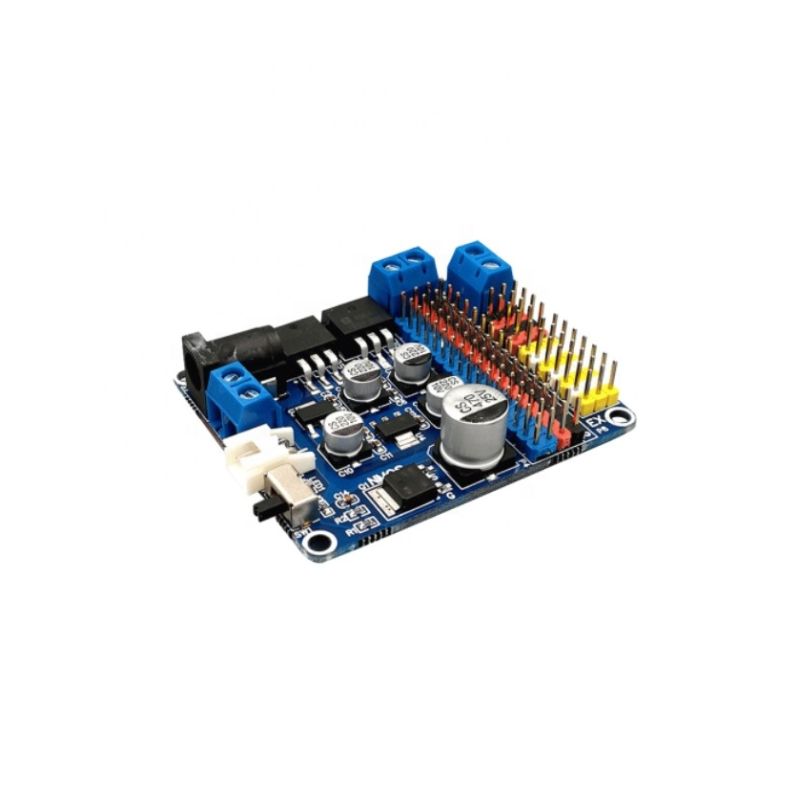
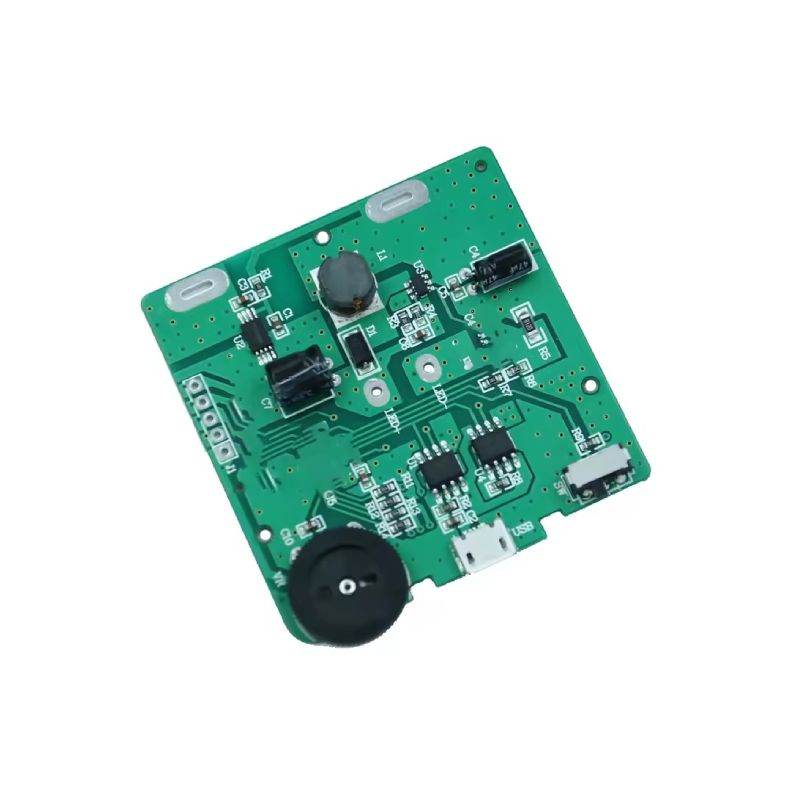
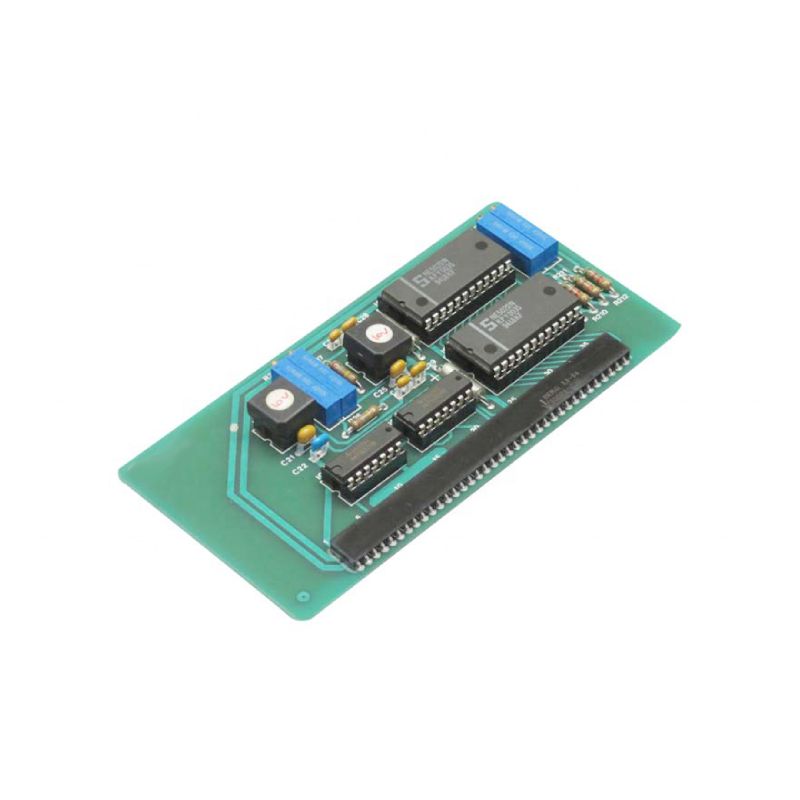
Pressure Sensor PCBA Solutions

Application: Industrial Automation Solutions

Layers: 1-32

Material: FR-4

Thickness: 1.6 mm

Copper: 1 oz

Surface Finish: HASL

Model: TXJ-IASA-07

Use: Pressure Sensor

Related products:   Industrial Automation PCBA

  • Product Details
  • FAQs
  • Shipping & Delivery

High-Precision Pressure Sensor PCBA: Engineering for Accuracy

A pressure sensor pcba often serves as the “nervous system” of a larger mechanical assembly. Whether you are utilizing MEMS (Micro-Electro-Mechanical Systems), piezoresistive elements, or capacitive sensing technologies, the way the board is built significantly impacts the sensor’s final sensitivity and offset.

Our approach to pcba manufacturing begins with a rigorous Design for Manufacturing (DFM) review. We analyze your layout to ensure that high-impedance signal paths are protected from noise and that the sensing element is thermally isolated from heat-generating components like voltage regulators or microprocessors. By prioritizing signal integrity at the board level, we help you achieve a higher signal-to-noise ratio and better long-term stability for your pressure-monitoring products.

Advanced Pressure Sensor PCB SMT Services

Modern pressure sensors are increasingly compact, often utilizing surface-mount packages that require extreme precision during the placement phase. Our specialized pressure sensor pcb smt process is designed to handle these delicate components with surgical care.

The smt pcb assembly phase is where the foundation of reliability is laid. Our facility is equipped with state-of-the-art automated lines that offer:

  • Precision Placement: Using high-speed placement machines from Yamaha and Juki, we can handle ultra-fine-pitch components and land-grid arrays (LGA) common in high-end pressure sensors.

  • Controlled Reflow Soldering: Pressure sensors are often sensitive to thermal shock. We utilize multi-zone reflow ovens with customized thermal profiles to ensure perfect solder joints without compromising the internal calibration of the sensor element.

  • Solder Paste Inspection (SPI): For a pressure sensor pcb smt project, the volume of solder must be exact. Our 3D SPI systems verify every pad to prevent dry joints or excessive solder that could cause mechanical stress on the sensor chip.

Comprehensive PCBA Manufacturing for Mission-Critical Applications

In the B2B sector, “quality” is defined by consistency. When you outsource your pressure sensor pcb assembly to us, you are gaining a partner that adheres to the strictest international standards, including IPC-A-610 Class 2 and Class 3.

Our pcba manufacturing workflow is built to handle the unique challenges of sensor electronics:

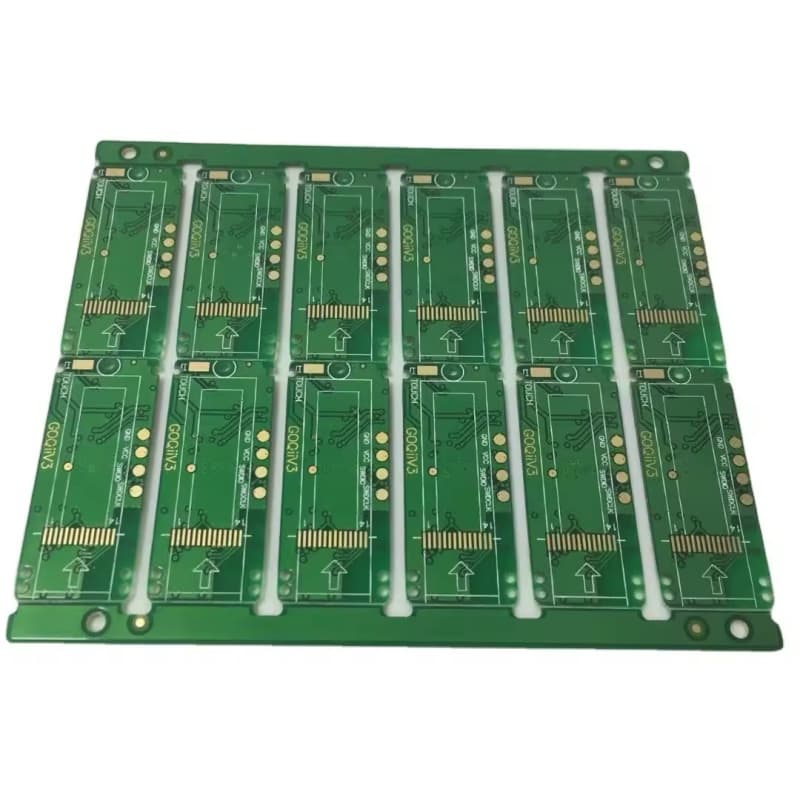
  1. Stress-Free Assembly: We use specialized de-paneling techniques to ensure that mechanical vibrations do not cause micro-cracks in sensitive ceramic capacitors or sensor membranes.

  2. Environmental Protection: Many pressure sensors operate in humid or corrosive environments. We offer selective conformal coating and potting services to protect the pcb assembly from moisture while keeping the sensor port clear.

  3. Traceability: We provide full component-level traceability, a vital requirement for the medical and aerospace industries. Every pressure sensor pcba can be traced back to its specific batch of raw materials and production parameters.

Why Partner with Our Pressure Sensor PCB Company?

Navigating the complexities of pcb assembly requires a manufacturer that speaks the language of hardware engineers. We pride ourselves on being a highly communicative and technically proficient partner for Western brands.

  • Turnkey Supply Chain: We handle everything from the procurement of authentic, high-grade sensors to the fabrication of the boards, allowing your team to focus on R&D and marketing.

  • Advanced Testing: Beyond standard AOI (Automated Optical Inspection), we offer customized Functional Testing (FCT). We can build test jigs that simulate pressure changes to verify the board’s output voltage or digital signal (I2C/SPI) before shipping.

  • Scalable Production: Whether you need 50 units for a medical trial or 50,000 units for an industrial IoT rollout, our facility is designed to scale with your demand without sacrificing quality.

Transforming Design into Performance

As the world moves toward smarter, more connected infrastructure, the demand for high-reliability pressure sensor pcba solutions continues to grow. From smart HVAC systems to high-precision ventilators, the quality of the smt pcb assembly is the silent factor that defines product longevity.

By choosing our pressure sensor pcb assembly services, you are investing in a manufacturing process that values precision as much as you do. Let us help you deliver products that don’t just measure pressure—they withstand it.

Q: What is the standard ordering process for Tengxinjie’s PCBA manufacturing services?

A: PCB assembly steps:

  1. Submission of technical documents (Gerber files, BOM, pick-and-place, test requirements, etc.)
  2. Quotation review and lead-time confirmation
  3. Prototype build and customer approval (if required)
  4. Mass production with quality inspection (AOI, X-ray, functional testing)
  5. Final packaging and shipment
  6. After-sales technical support and feedback

This process ensures accuracy, traceability, and smooth transition from prototype to mass production.

Learn more: Tengxinjie Ordering Guide


Q: What Base Materials Does Tengxinjie Offer for PCB Manufacturing?

A: Tengxinjie offers a wide selection of PCB Base Materials, including standard FR4, HDI PCB, Flexible PCB, Rogers PCB, Teflon, copper-core, and aluminum substrates. With these options, you can easily select the most suitable material to ensure the best performance for your project.


Q: Does Tengxunjie accept small-batch or prototype orders?

A: Yes. We support small-batch production and prototype orders, typically with minimum order quantities ranging from 10 to 200 pieces.

However, small-batch production may result in higher unit costs, and certain electronic components have minimum order quantity (MOQ) requirements.
Partnering with a flexible PCBA supplier enables startups and R&D teams to advance product development without significant upfront investment.


Q: What is the typical PCBA lead time? What affects delivery time?

A: PCBA lead time depends on order size and project complexity. Typical estimates are:

  • Prototype builds: 5–10 working days

  • Small-batch production: 10–15 working days

  • Mass production: 15–30+ working days

Key factors that impact lead time include:

  • Component availability and specified brands

  • Turnkey service scope

  • PCB layer count and complexity

  • Testing and inspection requirements

An experienced PCBA manufacturer can help manage these factors to keep your project on schedule.


Q: How are PCBA boards packaged and shipped?

A: PCBA boards are packed according to their sensitivity and shipping method. Standard packaging includes:

  • ESD-safe anti-static bags

  • Bubble wrap, foam, or anti-static trays

  • Moisture-proof, labeled outer cartons with tracking information

For medical, automotive, or high-reliability electronics, cleanroom packaging or special handling is available.
Most PCBA suppliers support air freight, sea freight, and express courier based on order size and urgency.


Q: What are the advantages of turnkey PCBA and one-stop manufacturing?

A: Turnkey PCBA services mean the manufacturer handles everything — Electronic component sourcing, PCB fabrication, PCB assembly, testing, and logistics.

A reliable one-stop PCBA supplier helps customers:

  • Simplify supply chain management
  • Reduce sourcing and communication errors
  • Shorten production lead time
  • Speed up time-to-market

This is especially valuable for OEMs, startups, and engineering teams that need fast and stable production.


Q: How do we ensure the quality of electronic components used in assembly?

A: We maintain a rigorous supplier qualification process and a global procurement network, sourcing parts exclusively from authorized and trusted distributors. All incoming components undergo stringent inspection to verify authenticity and quality before being deployed.


Shipping Terms

Shipping costs are paid by the buyer.
We normally ship via DHL, UPS, FedEx, or TNT.
Alternatively, you may provide your own courier account or arrange delivery to your freight forwarder in China.

For large-volume orders, sea freight is available.


Delivery to Port (FOB Terms)

When shipping to a port, Tengxinjie is responsible for transporting the goods to the departure port.
All customs clearance, ocean freight, insurance, and onward transportation after that point are the responsibility of the buyer.

Tengxinjie can recommend reliable local freight forwarders upon request.
With the buyer’s authorization, Tengxinjie may also assist in coordinating shipping, with all related costs charged to the buyer.


Notice

The above shipping information is for reference only.
Tracking details and shipment updates will be provided once the order has been dispatched.

PCBA Shipping Delivery

PCBA Shipping Delivery

Prev:

Next:

Leave a Reply

Get a Quote ?

[contact-form-7 id="548" title="Contact Form"]