PCBA Assembly & Electronics Manufacturing Services Provider

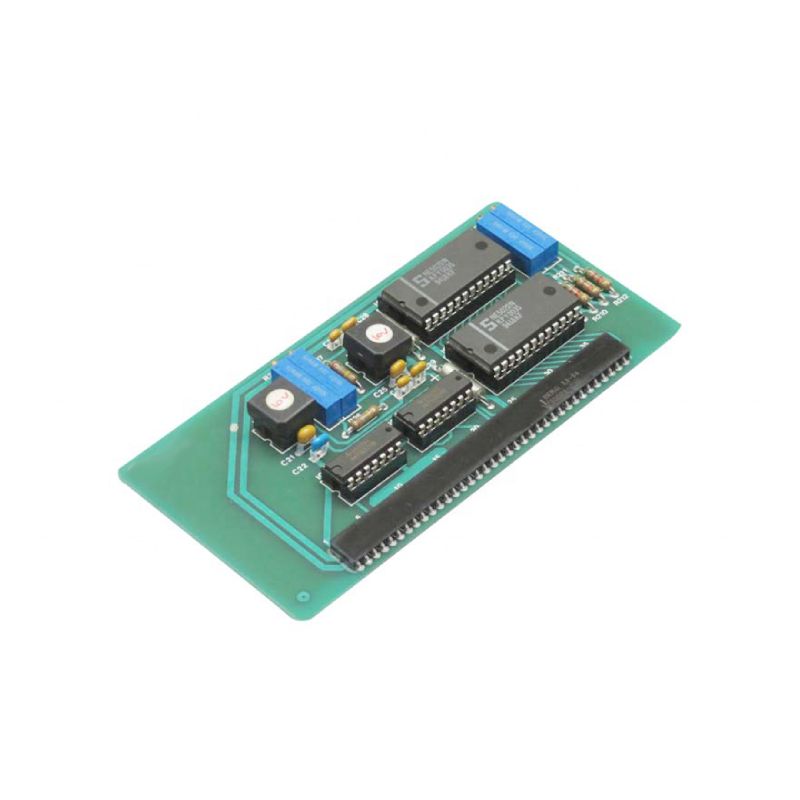
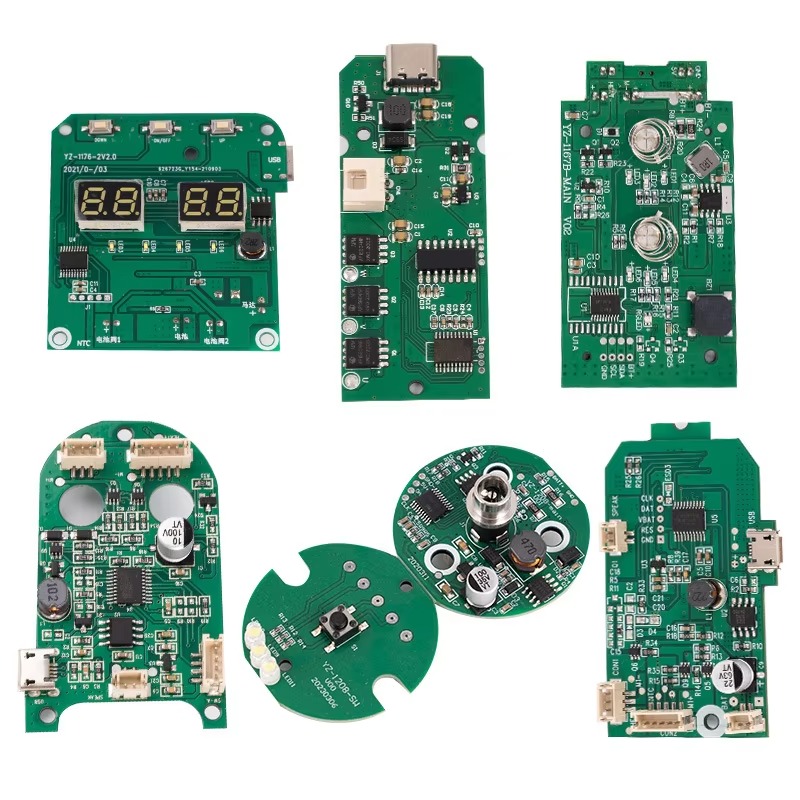
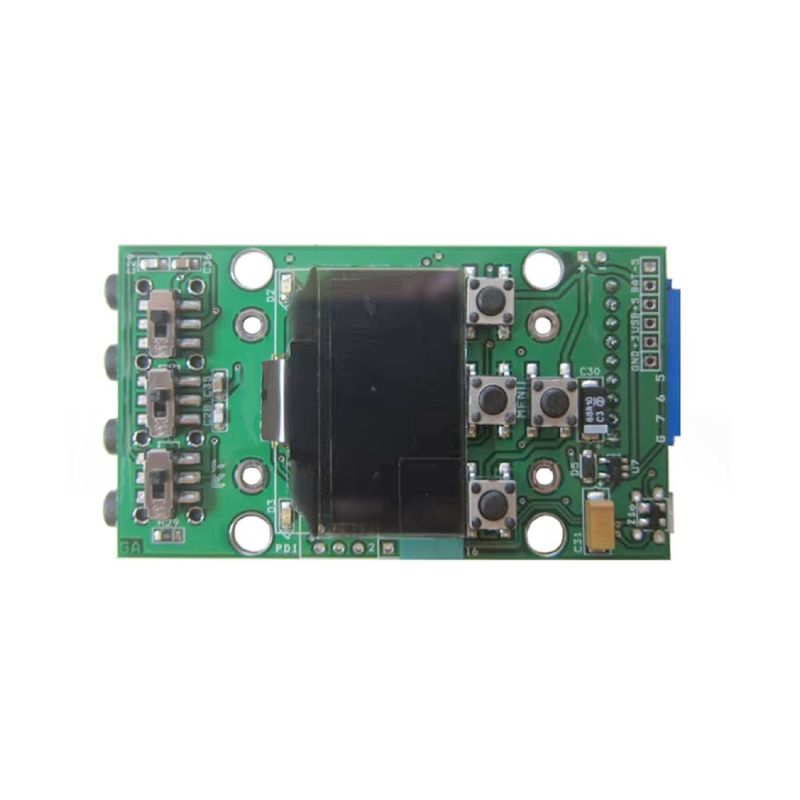
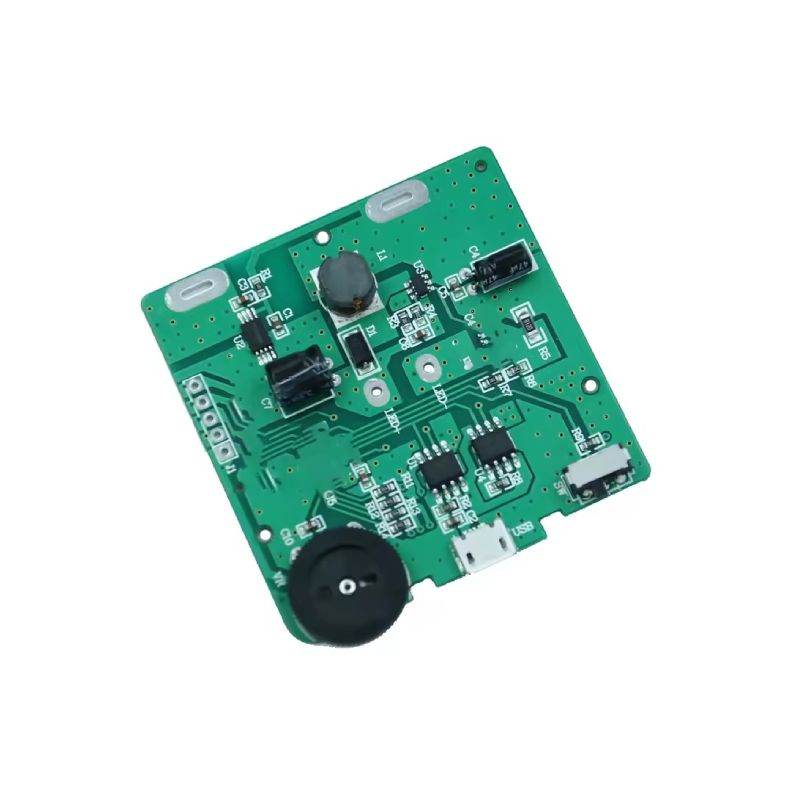
Sliding Door Sensor PCBA Solution - Turnkey PCBA Service

Sensors & Actuators PCBA/Industrial Automation PCBA/


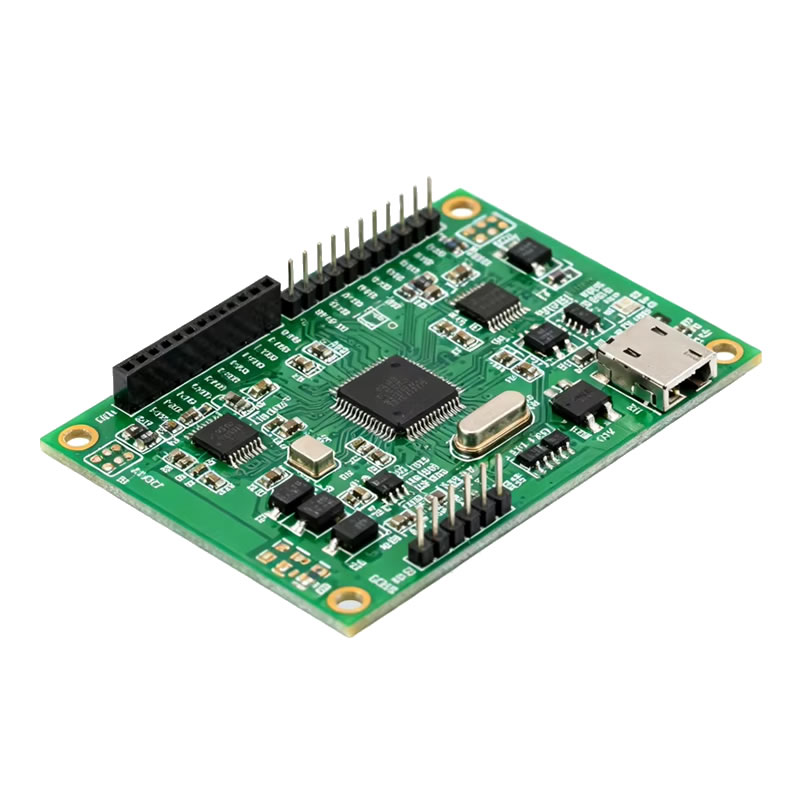
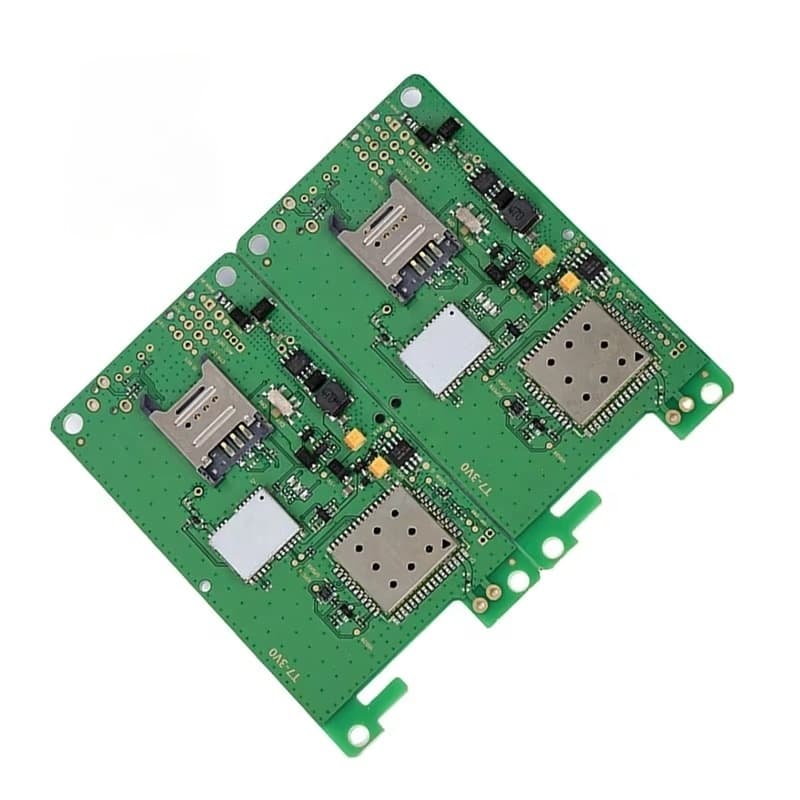
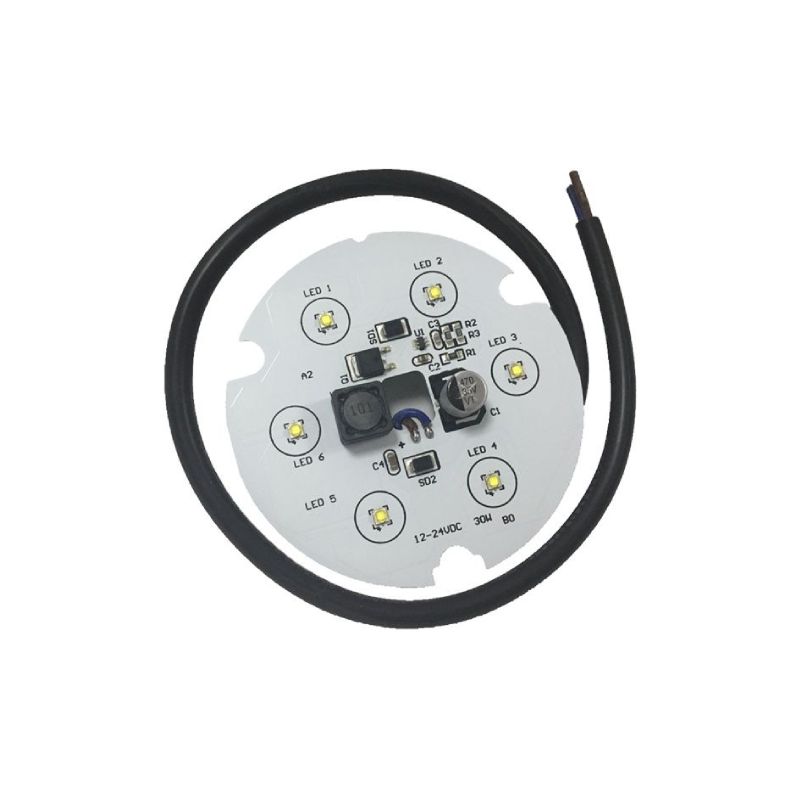
Sliding Door Sensor PCBA Solution

Application: Industrial Automation Solutions

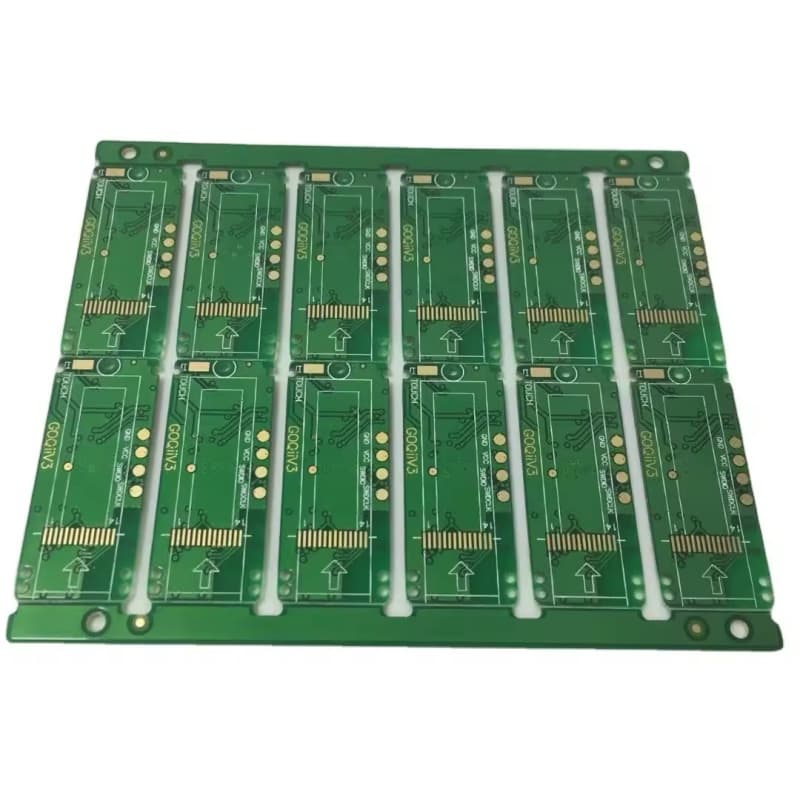
Layers: 1-32

Material: FR-4

Thickness: 1.6 mm

Copper: 1 oz

Surface Finish: HASL

Model: TXJ-IASA-05

Use: Sliding Door Sensor

Related products:   Industrial Automation PCBA

  • Product Details
  • FAQs
  • Shipping & Delivery

High-Performance Sliding Door Sensor PCBA Engineering

The modern sliding door sensor has evolved far beyond simple motion detection. Today’s systems often integrate microwave radar for motion, active infrared for presence detection, and even Time-of-Flight (ToF) laser technology for safety curtains. Managing these diverse inputs requires a robust sliding door sensor pcba designed for high signal integrity and rapid processing.

Our approach to pcb assembly starts with a deep understanding of these sensor technologies. We ensure that your board layouts are optimized to minimize electromagnetic interference (EMI)—a common challenge in commercial buildings filled with wireless signals. By utilizing high-quality laminates and precision copper routing, we guarantee that your sensors maintain their sensitivity and response time regardless of the environment.

Precision Sliding Door Sensor SMT Service

As devices shrink and functionality increases, the density of the board becomes a critical factor. Our specialized sliding door sensor smt service is designed to handle the complexity of modern, compact sensor modules. Whether your design requires high-speed microprocessors or ultra-small passive components, our facility is equipped to deliver.

Our smt pcb assembly lines are optimized for high-mix, high-precision production. We utilize:

  • High-Speed SMT Placement: Using industry-leading equipment from Yamaha and Juki to place components down to 0201 size with absolute repeatability.

  • 3D Solder Paste Inspection (SPI): Ensuring that every pad on your sliding door sensor smt service project has the exact volume of solder required to prevent cold joints or bridges.

  • Multi-Zone Reflow Soldering: We customize thermal profiles to protect sensitive sensor elements, such as infrared diodes or microwave antennas, from thermal stress during assembly.

Comprehensive Sliding Door Sensor PCB Assembly Solutions

In the B2B sector, the term “Turnkey” must mean more than just sourcing parts. Our sliding door sensor pcb assembly service encompasses the entire lifecycle of the product. We recognize that for European and North American clients, transparency and quality documentation are non-negotiable.

Our pcba manufacturing process includes rigorous quality gates that go beyond standard visual checks. Because sliding door sensors are often safety-critical components (preventing doors from closing on pedestrians), we implement:

  1. Automated Optical Inspection (AOI): 100% inspection of all boards post-reflow to verify component placement and solder integrity.

  2. X-Ray Inspection: Used for BGA and QFN packages to ensure hidden solder joints are perfect.

  3. Functional Testing (FCT): We can develop custom test fixtures that simulate a door-opening event, verifying that the sliding door sensor pcba triggers the correct relays or bus commands (such as CAN or RS-485) before shipping.

Why Partner with Our Manufacturing Facility?

Choosing the right partner for your pcb assembly is about mitigating risk. A sensor failure in a busy airport or hospital isn’t just an inconvenience—it’s a liability. We bring a “Quality First” mindset to every sliding door sensor pcb assembly project.

By leveraging our smt pcb assembly expertise, you gain access to a supply chain that is both cost-effective and technically proficient. We speak the language of hardware engineers and procurement managers alike, providing clear DFM (Design for Manufacturing) feedback to help you lower costs and increase production yields.

Scalable PCBA Manufacturing for Global Brands

Whether you are a boutique developer of high-end architectural doors or a global manufacturer of industrial gate systems, our facility is built to scale. Our pcba manufacturing philosophy centers on flexibility. We can handle small-batch NPI (New Product Introduction) runs to perfect your design, as well as high-volume production for international rollouts.

The future of sliding door technology is “smart”—integrating with building management systems (BMS) and IoT platforms. As your designs move toward these connected solutions, our experience in sliding door sensor pcba and wireless integration ensures your hardware will stay ahead of the curve.

Q: What is the standard ordering process for Tengxinjie’s PCBA manufacturing services?

A: PCB assembly steps:

  1. Submission of technical documents (Gerber files, BOM, pick-and-place, test requirements, etc.)
  2. Quotation review and lead-time confirmation
  3. Prototype build and customer approval (if required)
  4. Mass production with quality inspection (AOI, X-ray, functional testing)
  5. Final packaging and shipment
  6. After-sales technical support and feedback

This process ensures accuracy, traceability, and smooth transition from prototype to mass production.

Learn more: Tengxinjie Ordering Guide


Q: What Base Materials Does Tengxinjie Offer for PCB Manufacturing?

A: Tengxinjie offers a wide selection of PCB Base Materials, including standard FR4, HDI PCB, Flexible PCB, Rogers PCB, Teflon, copper-core, and aluminum substrates. With these options, you can easily select the most suitable material to ensure the best performance for your project.


Q: Does Tengxunjie accept small-batch or prototype orders?

A: Yes. We support small-batch production and prototype orders, typically with minimum order quantities ranging from 10 to 200 pieces.

However, small-batch production may result in higher unit costs, and certain electronic components have minimum order quantity (MOQ) requirements.
Partnering with a flexible PCBA supplier enables startups and R&D teams to advance product development without significant upfront investment.


Q: What is the typical PCBA lead time? What affects delivery time?

A: PCBA lead time depends on order size and project complexity. Typical estimates are:

  • Prototype builds: 5–10 working days

  • Small-batch production: 10–15 working days

  • Mass production: 15–30+ working days

Key factors that impact lead time include:

  • Component availability and specified brands

  • Turnkey service scope

  • PCB layer count and complexity

  • Testing and inspection requirements

An experienced PCBA manufacturer can help manage these factors to keep your project on schedule.


Q: How are PCBA boards packaged and shipped?

A: PCBA boards are packed according to their sensitivity and shipping method. Standard packaging includes:

  • ESD-safe anti-static bags

  • Bubble wrap, foam, or anti-static trays

  • Moisture-proof, labeled outer cartons with tracking information

For medical, automotive, or high-reliability electronics, cleanroom packaging or special handling is available.
Most PCBA suppliers support air freight, sea freight, and express courier based on order size and urgency.


Q: What are the advantages of turnkey PCBA and one-stop manufacturing?

A: Turnkey PCBA services mean the manufacturer handles everything — Electronic component sourcing, PCB fabrication, PCB assembly, testing, and logistics.

A reliable one-stop PCBA supplier helps customers:

  • Simplify supply chain management
  • Reduce sourcing and communication errors
  • Shorten production lead time
  • Speed up time-to-market

This is especially valuable for OEMs, startups, and engineering teams that need fast and stable production.


Q: How do we ensure the quality of electronic components used in assembly?

A: We maintain a rigorous supplier qualification process and a global procurement network, sourcing parts exclusively from authorized and trusted distributors. All incoming components undergo stringent inspection to verify authenticity and quality before being deployed.


Shipping Terms

Shipping costs are paid by the buyer.
We normally ship via DHL, UPS, FedEx, or TNT.
Alternatively, you may provide your own courier account or arrange delivery to your freight forwarder in China.

For large-volume orders, sea freight is available.


Delivery to Port (FOB Terms)

When shipping to a port, Tengxinjie is responsible for transporting the goods to the departure port.
All customs clearance, ocean freight, insurance, and onward transportation after that point are the responsibility of the buyer.

Tengxinjie can recommend reliable local freight forwarders upon request.
With the buyer’s authorization, Tengxinjie may also assist in coordinating shipping, with all related costs charged to the buyer.


Notice

The above shipping information is for reference only.
Tracking details and shipment updates will be provided once the order has been dispatched.

PCBA Shipping Delivery

PCBA Shipping Delivery

Prev:

Next:

Leave a Reply

Get a Quote ?

[contact-form-7 id="548" title="Contact Form"]