 PCB & PCBA Manufacturer

Common PCB Assembly Defects and Solutions
PCB assembly defects can significantly impact product performance, reliability, and overall cost in modern PCB assembly projects. In today’s competitive electronics industry, ensuring high-quality pcba manufacturing and stable smt pcb assembly processes is essential for any professional pcba service provider.
Understanding common PCB assembly defects and their solutions helps reduce failure rates, improve yield, and optimize production efficiency.
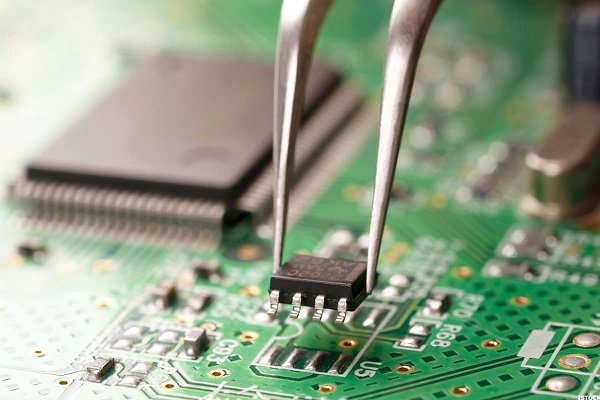
Common PCB Assembly Defects and Solutions
Why PCB Assembly Defects Occur
Most PCB assembly defects are caused by a combination of design, materials, and process issues during pcba manufacturing.
Typical causes include:
- Poor design for manufacturability (DFM)
- Incorrect solder paste printing in smt pcb assembly
- Component placement errors
- Improper reflow soldering profiles
- Low-quality materials
- Weak process control in a pcba service
Identifying these factors early can significantly reduce PCB assembly defects.
Solder Bridging in SMT PCB Assembly
Solder bridging is one of the most common PCB assembly defects, especially in fine-pitch smt pcb assembly.
It occurs when solder unintentionally connects adjacent pads or pins.
Causes:
- Excess solder paste
- Poor stencil design
- Misalignment during placement
- High-density layouts
Solutions:
- Optimize stencil aperture design
- Reduce solder paste volume
- Improve alignment accuracy in smt pcb assembly
- Use proper solder mask design
Tombstoning Defect in PCB Assembly
Tombstoning, also known as the Manhattan effect, is a typical issue in PCB assembly involving small passive components.
Causes:
- Uneven heating during reflow
- Imbalanced solder paste deposition
- Asymmetrical pad design
Solutions:
- Balance pad geometry
- Optimize reflow profile
- Ensure uniform heating in pcba manufacturing
Cold Solder Joints in PCBA Manufacturing
Cold solder joints are critical PCB assembly defects that lead to unreliable electrical connections.
Causes:
- Low reflow temperature
- Oxidized or contaminated surfaces
- Poor solder paste quality
Solutions:
- Adjust reflow temperature profile
- Use high-quality materials
- Improve cleaning processes in pcba service
Solder Balls in SMT PCB Assembly
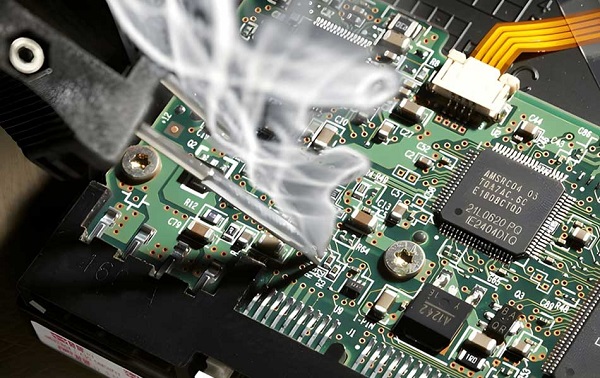
solder defects PCB
Solder balls are small solder particles that appear outside the intended solder area during smt pcb assembly.
Causes:
- Excess solder paste
- Moisture in PCB or components
- Rapid heating
Solutions:
- Control solder paste volume
- Bake PCBs before assembly
- Optimize reflow ramp-up profile
Component Misalignment in PCB Assembly
Component misalignment is a frequent issue in automated PCB assembly processes.
Causes:
- Incorrect pick-and-place programming
- Poor solder paste printing
- Surface tension imbalance
Solutions:
- Calibrate SMT machines
- Improve stencil printing quality
- Use fiducial alignment in smt pcb assembly
Missing Components in PCBA Service
Missing components are serious PCB assembly defects that directly affect product functionality.
Causes:
- Feeder problems
- Incorrect BOM data
- Programming errors
Solutions:
- Verify BOM before production
- Maintain feeders regularly
- Use AOI inspection in pcba service
Insufficient Solder in PCB Assembly
Insufficient solder leads to weak joints and unreliable performance in PCB assembly.
Causes:
- Inadequate solder paste
- Stencil blockage
- Poor printing process
Solutions:
- Clean stencil regularly
- Optimize printing parameters
- Inspect solder paste deposition
BGA Defects in SMT PCB Assembly
BGA-related PCB assembly defects are difficult to detect because solder joints are hidden.
Common issues:
- Voids
- Open circuits
- Bridging under the package
Solutions:
- Use X-ray inspection
- Optimize reflow profile
- Improve pad and via design in pcba manufacturing
Flux Residue and Contamination
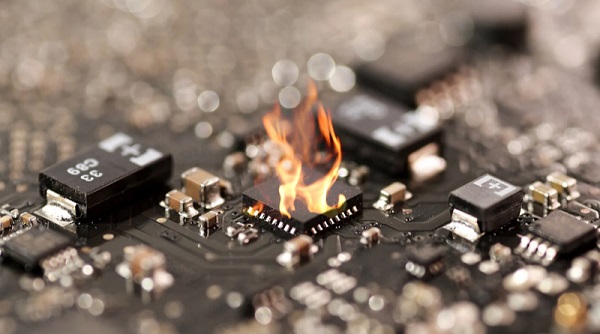
PCB assembly defects
Flux residue can affect long-term reliability in pcba manufacturing.
Causes:
- Excess flux
- Poor cleaning process
- Low-quality materials
Solutions:
- Use no-clean flux
- Implement proper cleaning
- Maintain controlled production environment
Warpage Issues in PCB Assembly
PCB warpage is another common issue affecting smt pcb assembly quality.
Causes:
- Poor stack-up design
- Uneven heating
- Thin PCB materials
Solutions:
- Optimize PCB thickness
- Improve thermal balance
- Use proper panelization
How to Prevent PCB Assembly Defects
Preventing PCB assembly defects is more cost-effective than fixing them.
Key methods include:
- Apply DFM principles in pcba manufacturing
- Maintain strict process control
- Use high-quality materials
- Implement AOI and X-ray inspection
- Work with a reliable pcba service provider
Choosing a Reliable PCBA Service Partner
A professional pcba service partner plays a key role in reducing PCB assembly defects.
Look for:
- Advanced smt pcb assembly equipment
- Strong quality control systems
- Experienced engineering team
- Transparent production processes
An experienced pcba manufacturing partner can proactively prevent defects before they occur.
Conclusion
Common PCB assembly defects such as solder bridging, tombstoning, and BGA issues can significantly impact product quality. However, with proper design, process optimization, and a reliable pcba service, these issues can be effectively minimized.
In modern electronics manufacturing, high-quality smt pcb assembly and professional pcba manufacturing are essential for ensuring product reliability and long-term success.