Industry Case Studies of Conformal Coating for Improved PCB Reliability
A credible conformal coating case connects a defined operating hazard to coating chemistry, application controls, inspection evidence, test acceptance criteria, and traceable results. Because TXJ PCBA has not supplied documented customer cases for publication, the industry cases below are evaluation frameworks—not claims of completed company projects.
Automotive projects emphasize temperature cycling, moisture, vibration, and contamination.
Industrial controls may prioritize condensation, conductive dust, and corrosive atmospheres.
Outdoor communications require enclosure-aware moisture and contamination assessment.
Medical electronics require risk-managed, documented process changes rather than a generic coating claim.
Define the environment and failure risk
Record temperature, humidity, condensation, contamination, voltage spacing, mechanical stress, enclosure protection, and expected service conditions.
Connect material and process to the risk
Document chemistry, cleanliness requirements, keep-out areas, application method, target thickness, cure controls, and rework rules.
Verify and document the outcome
Use agreed inspection and environmental tests, predefined acceptance criteria, sample traceability, baseline comparison, and recorded failures.
Does conformal coating make a PCB waterproof?
No. IEC describes coating as electrical insulation protection against humidity and pollution; system performance still depends on enclosure design, coverage, interfaces, and exposure severity.
What evidence should a buyer request?
Request the specification revision, material lot, cleaning and cure records, masking map, inspection results, test method, acceptance criteria, sample identity, deviations, and raw results.
Can one industry case prove suitability for another project?
No. Evidence is transferable only when the assembly, materials, process, environment, test severity, and acceptance criteria are sufficiently comparable.
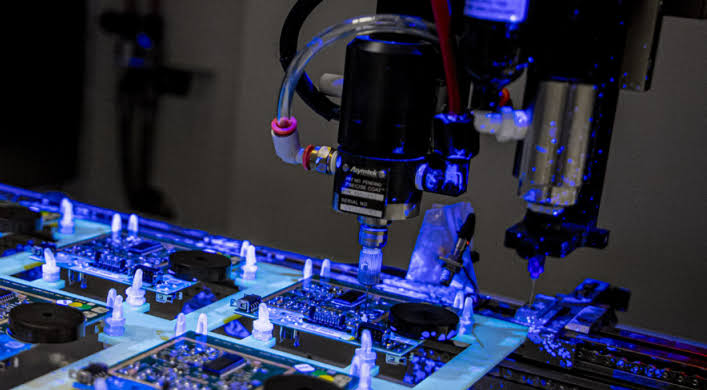
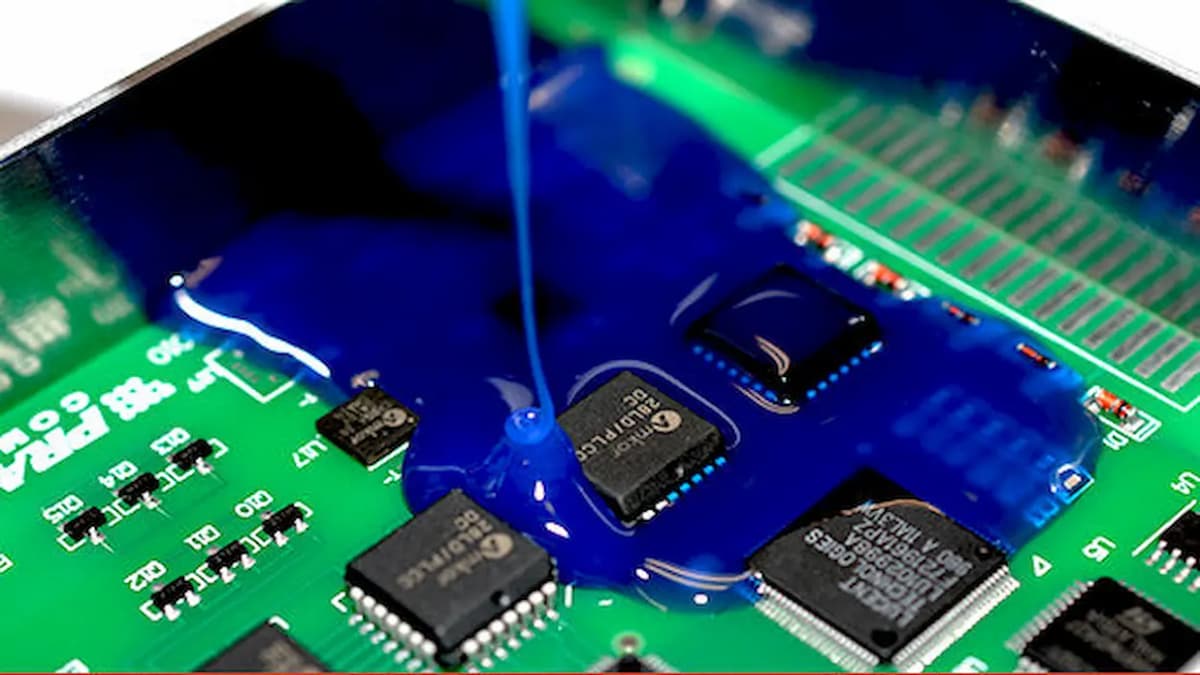
Start with the exposure, not the coating name. The IEC overview of IEC 61086-1 states that conformal coatings provide electrical insulation protection against humidity and pollution and identifies requirements for application and curing. This supports treating coating as one controlled protection layer, not proof that an assembly is waterproof. Buyers can use the conformal coating reliability guide to frame the wider failure mechanism.
Industry application-case frameworks
| Application | Major risk | Project practice | Evidence needed |
|---|---|---|---|
| Automotive electronics | Thermal cycling, moisture, vibration | Protect qualified areas while controlling connectors and test points | Vehicle-relevant environmental records and coverage inspection |
| Industrial control | Condensation, dust, corrosive contamination | Cleanliness verification, masking, controlled cure | Contamination-specific testing and electrical results |
| Outdoor communications | Humidity ingress and temperature swings | Coordinate coating with enclosure, drainage, and interfaces | Enclosure and coated-assembly evidence |
| Medical electronics | Safety-related failure and process change risk | Risk-based requirements and validated manufacturing controls | Traceability, validation, and risk-management records |
For automotive projects, the ISO overview of ISO 16750-4 identifies climatic loads for vehicle electrical and electronic equipment. It supports selecting tests that reflect the mounting location rather than accepting a generic humidity claim.
For medical devices, the ISO overview of ISO 14971 explains a lifecycle process for identifying hazards, controlling risks, and monitoring control effectiveness. It does not certify a coating; it means buyers should connect coating requirements and process changes to the device risk file.
Material and process decision rationale
Chemistry must be chosen against actual exposure, assembly geometry, repair needs, and cure constraints. Review coating chemistry selection and process reliability controls before approving a production route.
Inspection, testing, and measured outcomes
The UL Conformal Coatings Component Recognition overview explains that recognized coatings are evaluated for properties such as flammability, dielectric strength, and environmental resistance. Recognition supports material-level properties under defined conditions; it does not prove reliability on the buyer's assembled PCB.
A defensible outcome states the baseline, sample size, test sequence, acceptance limits, failures, and traceable result. Useful measures include insulation performance, leakage or functional status, visual coverage defects, adhesion, and failures after the agreed exposure. Do not publish percentage improvement, field-life extension, or company-specific success without underlying records.
Case evidence limitations
These are anonymized planning scenarios, not verified TXJ PCBA customer results. Before supplier qualification, request drawings, material and lot records, process parameters, inspection images, test reports, deviations, and configuration control. Compare the tested assembly and environment with your project before treating any precedent as transferable.
Comparing Conformal Coating Materials for PCB Reliability