Process Principles Behind Conformal Coating and PCB Reliability
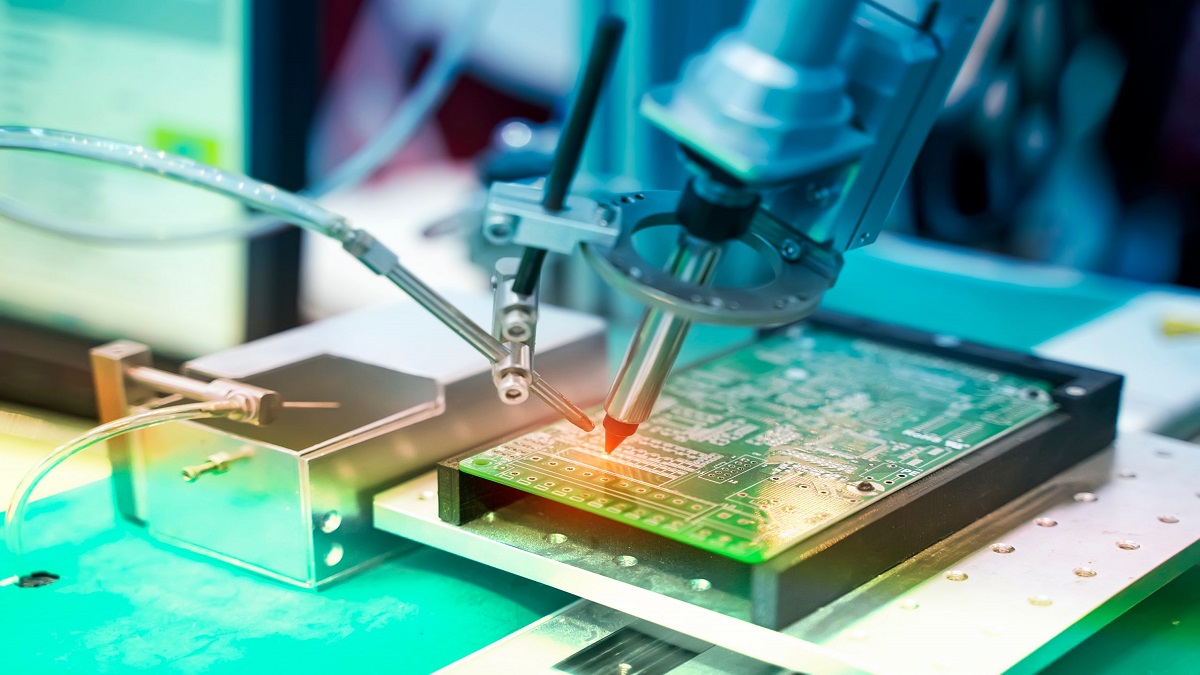
Conformal coating improves PCB reliability by forming a thin dielectric barrier that reduces direct contact between circuitry and moisture, ionic contamination, dust, and corrosive agents. It can also provide limited mechanical damping, but it is not a hermetic seal. Protection depends on surface cleanliness, suitable material, complete coverage, controlled curing, and verified inspection.
Coating interrupts moisture-assisted leakage and corrosion paths rather than making a PCB waterproof.
Residues trapped below coating can still drive electrochemical failure.
Spray, dip, brush, and selective coating create different coverage and repeatability risks.
Acceptance requires documented cleanliness, masking, thickness, cure, coverage, and defect criteria.
Prepare and verify the assembly
Remove process residues when the qualified process requires cleaning, dry the assembly, and confirm compatibility. Mask connectors, test points, switches, and other keep-out areas.
Apply controlled coverage
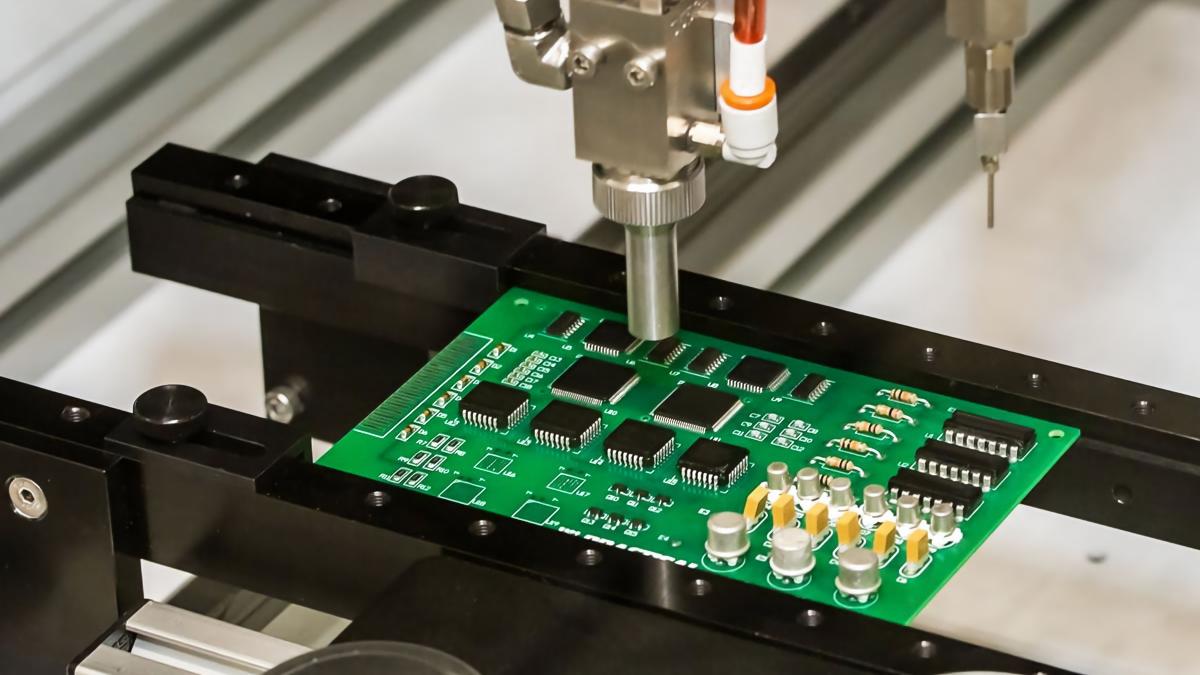
Select spray, selective, dip, or brush application according to geometry, volume, masking burden, and repeatability needs. Control viscosity, deposition, edge coverage, shadow areas, bubbles, and pooling.
Cure under the qualified conditions
Follow the coating manufacturer's specified time, temperature, humidity, ventilation, and thickness conditions. Skin formation does not by itself prove full cure.
Inspect and retain evidence
Check coverage, keep-out integrity, thickness, cure, bubbles, dewetting, cracks, delamination, contamination, and coating beneath components where required. Record material lot and process settings.
Does conformal coating make a PCB waterproof?
No. It reduces exposure at coated surfaces but does not create a hermetic enclosure. Edges, connectors, voids, damage, and permeation remain possible paths.
Can coating trap contamination?
Yes. Ionic residues or moisture left on the assembly can remain beneath the film, so coating is not a substitute for a validated cleanliness process.
Which application method is most reliable?
No method is universally superior. Selective coating supports repeatable production and reduced masking; dipping reaches many surfaces but increases keep-out and pooling risks; spraying balances flexibility and control; brushing is useful for repair but operator-dependent.
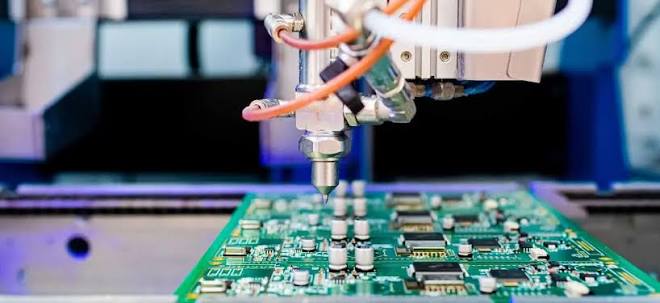
Moisture can dissolve ionic residues and create conductive surface paths. A continuous dielectric film limits water and contaminant contact, helping reduce surface leakage, electrochemical migration, and corrosion. Dust is mainly controlled by isolating particles from energized conductors; coating does not remove contamination already present. For broader context, see the PCB conformal coating reliability guide.
The IPC overview of IPC-CC-830 identifies qualification and performance requirements for electrical insulating compounds used on printed wiring assemblies. This supports specifying a recognized material qualification, but it does not prove that a supplier's production application is clean, fully cured, or defect-free.
The International Electrotechnical Commission's IEC 61086-1 standard page describes requirements for coatings used on loaded printed wire boards. Its scope supports treating coating as an engineered electrical-protection system; buyers still need application-specific acceptance and process evidence.
Mechanical and thermal limits
A compliant film may damp minor vibration and support fine conductors, but it is not structural potting. Thermal cycling can strain the coating-to-board interface and produce cracking or delamination when chemistry, thickness, cure, or substrate adhesion is unsuitable. Review industry coating applications before transferring one process across automotive, industrial, medical, or outdoor electronics.
Process choice and PCB quality
| Method | Strength | Main control risk |
|---|---|---|
| Selective | Programmed, repeatable deposition | Shadow areas and path setup |
| Spray | Flexible coverage | Overspray and atomization variation |
| Dip | Broad access | Pooling, wicking, extensive masking |
| Brush | Repair and low volume | Operator variation and bubbles |
IPC's IPC-A-610 overview identifies acceptability requirements for electronic assemblies, while IPC's J-STD-001 overview addresses process and material requirements for soldered assemblies. Together they support defining workmanship and process evidence rather than accepting a vague statement that boards are coated.
Curing, coverage, and inspection
Cure conditions and acceptable thickness must come from the selected material's technical data and the qualified production profile; they should not be generalized across chemistries. Use this comparison of coating material properties when assessing cure mechanism, flexibility, repairability, and environmental exposure.
Inspection should look for dewetting, bubbles, voids, fisheyes, cracking, delamination, pooling, insufficient edge coverage, and coating in keep-out zones. IPC's IPC-TM-650 Test Methods Manual overview confirms that standardized test methods are used to evaluate materials and assemblies. For procurement, request the exact method, conditions, sample configuration, acceptance limit, and record—not merely the phrase “tested to IPC.”
Before release, buyers should verify the approved material, cleanliness method and limits, masking drawing, application recipe, cure record, thickness measurement, inspection criteria, defect disposition, traceability, and rework controls.
How Conformal Coating Improves PCB Reliability: Principles, Materials, and Applications