How Conformal Coating Improves PCB Reliability: Principles, Materials, and Applications
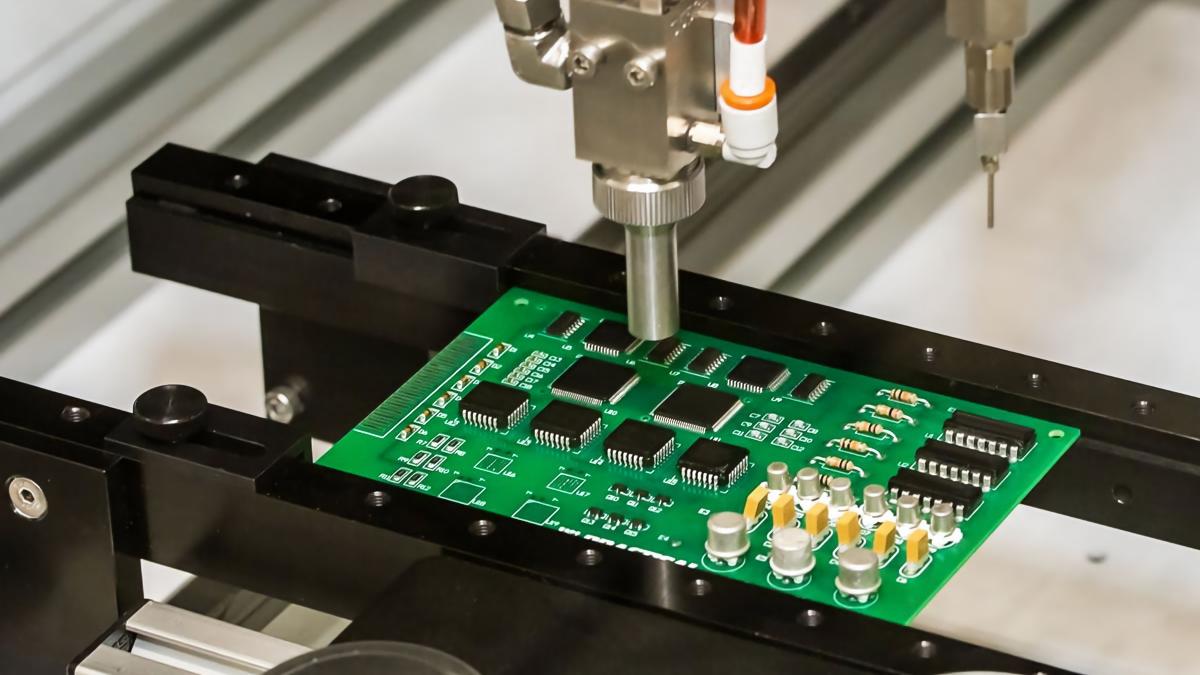
Conformal coating improves PCB reliability by creating a thin dielectric barrier over an assembled board. It reduces exposure to moisture, dust, corrosive contaminants, and unintended electrical leakage. The benefit depends on matching the chemistry to the environment, cleaning and masking correctly, controlling coverage and cure, and verifying the finished assembly.
Coating mitigates environmental exposure; it does not repair defective assembly workmanship.
Acrylic, silicone, polyurethane, epoxy, and other chemistries involve different protection, processing, and repair trade-offs.
Reliability requires defined coverage, thickness, cure, inspection, and application-relevant testing.
Define the service environment
Identify humidity, condensation, contamination, chemicals, temperature cycling, vibration, and expected service life.
Select and validate the material
Compare electrical, chemical, thermal, curing, rework, and component-compatibility requirements on representative assemblies.
Control preparation and application
Set cleanliness criteria, masking boundaries, application method, target coverage, thickness controls, and cure conditions.
Inspect and verify
Document coverage, defects, cure, thickness where required, traceability, and tests linked to actual field risks.
Does conformal coating make a PCB waterproof?
No. It mitigates specified exposures but does not automatically seal connectors, enclosures, edges, or uncoated areas against immersion.
Can coating trap contamination?
Yes. Residues or moisture left beneath a coating can undermine adhesion and electrical reliability, so cleanliness must be validated before coating.
What evidence should a buyer request?
Request the approved material and process specification, masking drawing, inspection criteria, cure records, lot traceability, defect handling, and relevant qualification results.
Protection logic and environmental threats
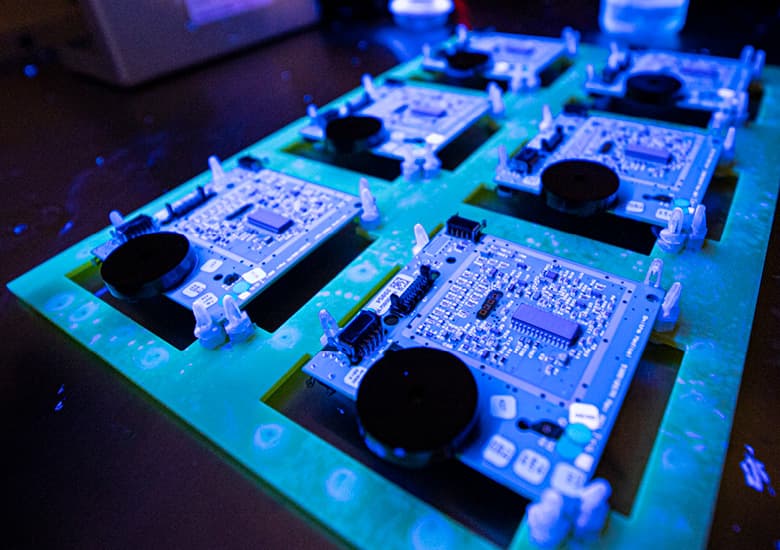
The coating separates vulnerable conductors from humidity, ionic contamination, dust, and corrosive agents while adding dielectric insulation. It is risk reduction, not a substitute for sound design, soldering, cleaning, drainage, or enclosure protection. NASA's Conformal Coating workmanship guidance identifies coverage and workmanship conditions for coated assemblies. This supports specifying observable acceptance criteria rather than merely stating that a board must be coated.
Major material families
Acrylics commonly favor processing and rework; silicones are considered where broader temperature flexibility is needed; polyurethanes and epoxies may offer stronger chemical or mechanical resistance but can complicate repair. Selection remains formulation-specific. Use a detailed conformal coating material comparison before approving a chemistry.
Application, coverage, and cure
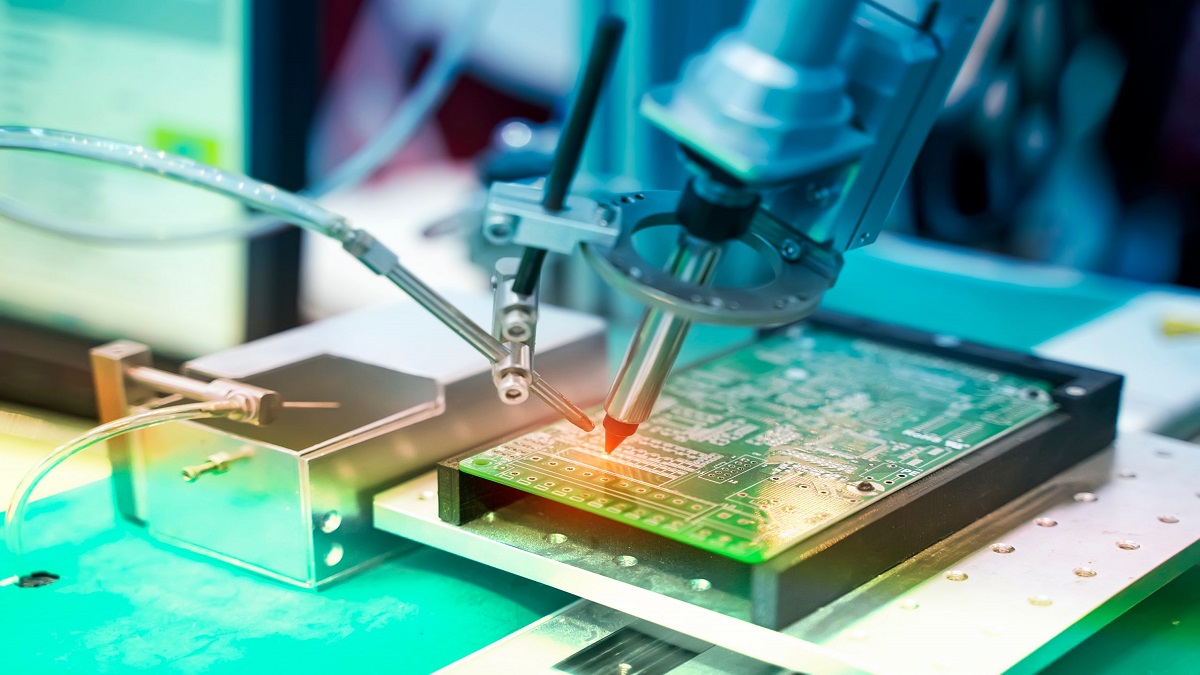
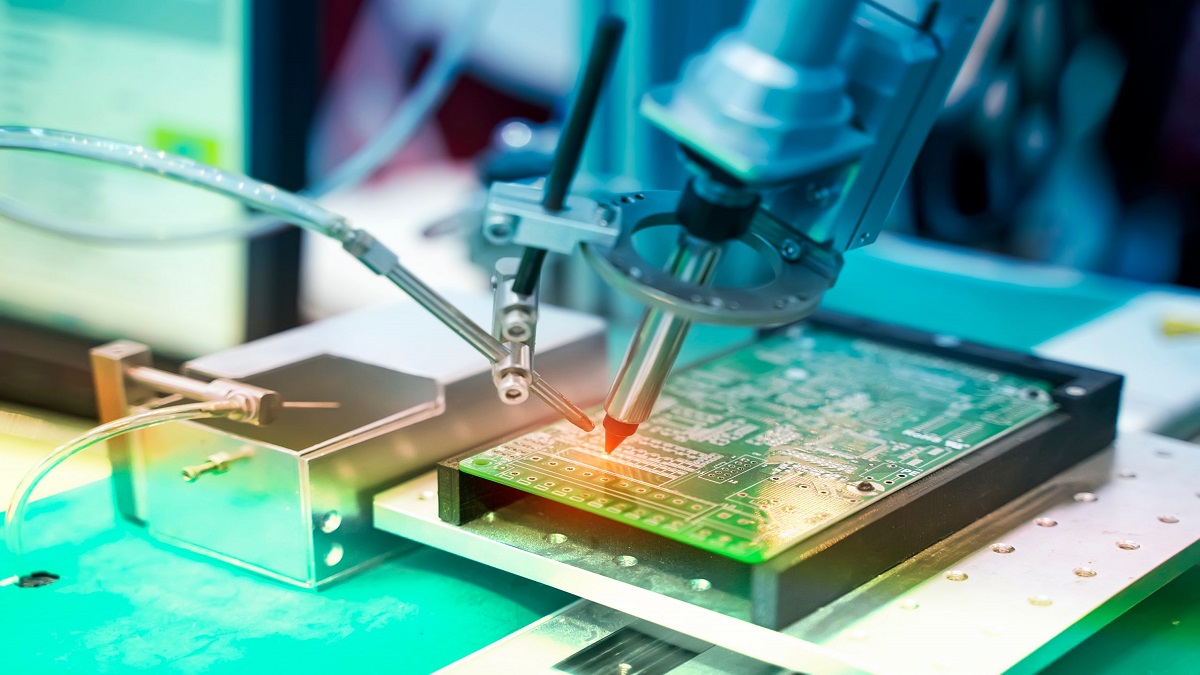
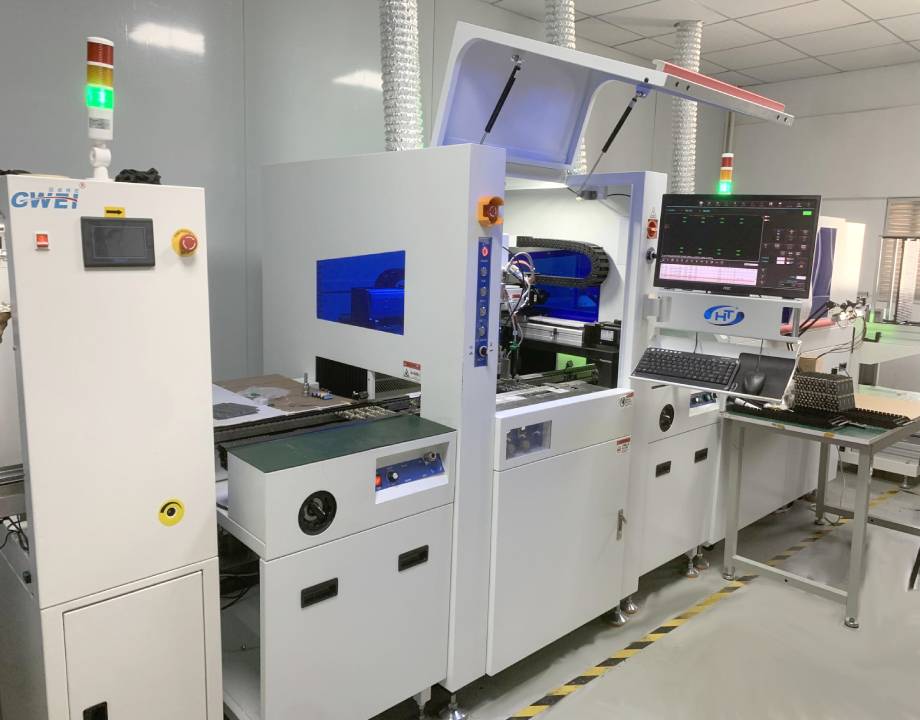
Spray, selective coating, brushing, and dipping create different masking and coverage risks. Cleanliness, viscosity, equipment settings, shadowing beneath components, bubbles, edge coverage, and cure conditions must be controlled. The IPC-CC-830C standard overview, published by IPC, defines qualification and performance requirements for electrical insulating compounds. It demonstrates material qualification, but buyers still need an assembly-specific process. See the detailed coating process reliability framework.
Inspection and reliability verification
Inspection should address unintended coating, missed areas, bubbles, cracks, delamination, contamination, cure, and specified thickness. IPC's IPC-A-610 overview confirms that the standard provides visual acceptance requirements for electronic assemblies. This means purchasers should state the applicable revision and acceptance class in contracts instead of requesting generic IPC compliance. Where tests are required, use documented methods from the IPC-TM-650 Test Methods Manual and define specimens, conditioning, limits, and records.
When coating is appropriate
It is worth evaluating for outdoor IoT, industrial controls, automotive electronics, and other assemblies exposed to condensation, dust, or corrosive atmospheres. It may add little value in a controlled enclosure, or create risk where connectors, sensors, switches, test points, or heat-transfer surfaces cannot tolerate coating. Review relevant conformal coating application cases
Supplier evaluation questions
- How are cleanliness, masking, coverage, thickness, and cure controlled?
- Which defects are acceptable, repairable, or cause rejection?
- Can the supplier provide material lot, process, inspection, and rework records?
- Was validation performed on the actual assembly and intended environment?
Before production approval, align engineering, quality, and procurement on one controlled coating specification and request objective evidence from a representative build.
Process Principles Behind Conformal Coating and PCB Reliability