Comparing Conformal Coating Materials for PCB Reliability
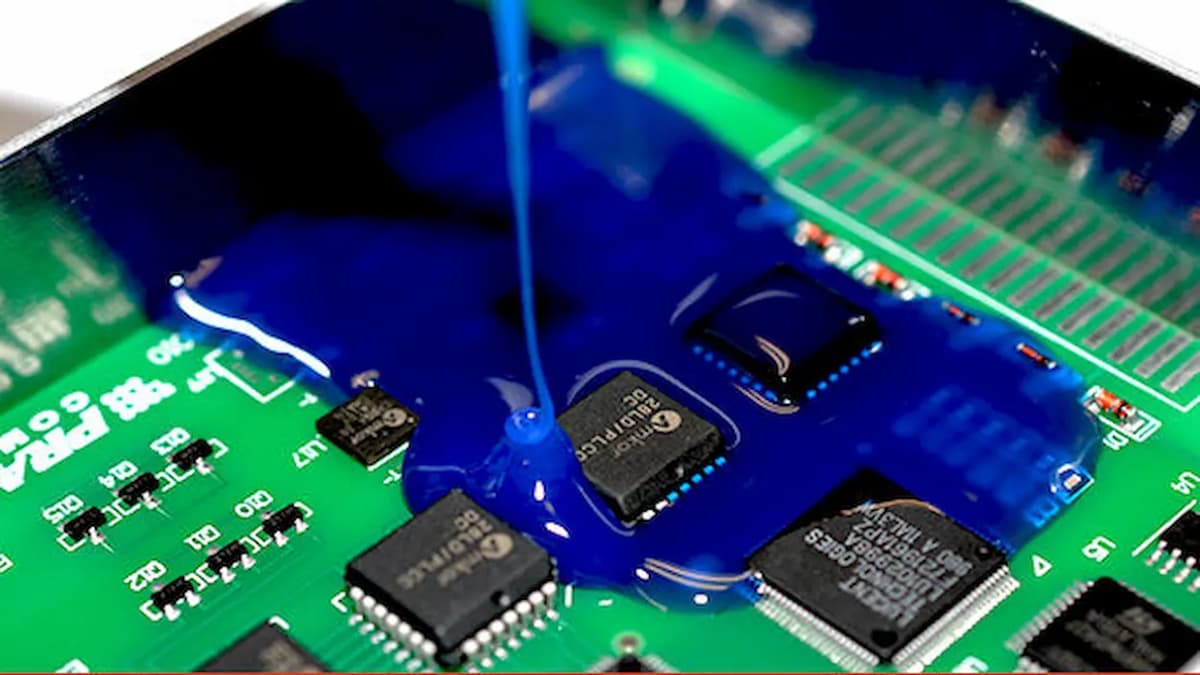
No conformal coating chemistry is universally suitable. Acrylic is commonly screened for processing and rework, silicone for thermal flexibility, polyurethane for moisture, abrasion, and chemical exposure, and epoxy for hard protection where repair is unlikely. Final selection requires the supplier's technical data, assembly compatibility checks, controlled application, and representative qualification testing.
Match chemistry to temperature, condensation, contaminants, mechanical stress, and service requirements.
Compare exact products rather than assuming every material in one chemistry family performs alike.
Verify cure, thickness, adhesion, masking, inspection, and repair before production approval.
Define the exposure profile
Record operating and storage temperatures, thermal cycling, condensation, chemicals, salt, dust, vibration, and expected field life.
Screen chemistry and manufacturing constraints
Compare cure conditions, viscosity, application method, keep-out areas, component compatibility, throughput, inspection, and rework. The broader PCB reliability coating guide explains why material selection is only one reliability control.
Qualify the exact product and process
Review the TDS and SDS, then test coated production-representative coupons or assemblies using documented acceptance criteria.
Which coating is suitable for high temperature?
Silicone is often screened first for wide temperature exposure and flexibility, but the exact rated range, thermal cycling behavior, adhesion, and component compatibility must be verified.
Which chemistry is easiest to rework?
Acrylic is commonly selected when solvent-assisted removal and repair are important. Confirm the approved removal method and its effect on components, labels, solder mask, and worker safety.
Does conformal coating make a PCB waterproof?
No. A thin conformal coating can reduce environmental exposure, but coverage defects, edges, connectors, and prolonged immersion require separate evaluation.
| Chemistry | Typical screening strength | Main caution |
|---|---|---|
| Acrylic | Simple processing and rework | Verify solvent and sustained-temperature resistance |
| Silicone | Thermal flexibility and cycling | Verify adhesion, cure, contamination control, and repair method |
| Polyurethane | Moisture, abrasion, and chemical resistance | Rework and cure can be more demanding |
| Epoxy | Hard, durable protection | Rigidity and difficult rework may increase service risk |
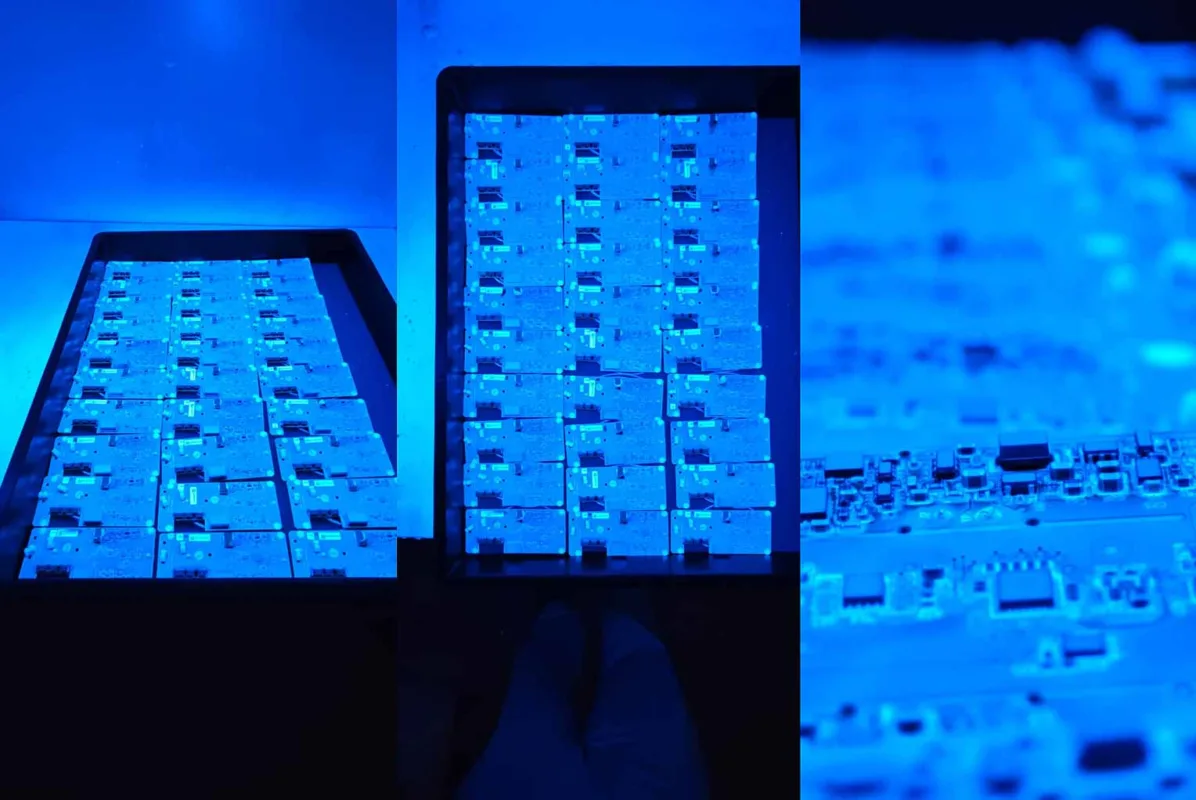
These are family-level tendencies, not guaranteed specifications. The Electrolube technical guidance on coating types distinguishes the common chemistries and their practical trade-offs. As manufacturer guidance, it supports initial screening; buyers still need product-specific evidence.
Environmental selection criteria
For high temperature or cycling, compare continuous and peak ratings, flexibility, and adhesion after cycling. For humidity or condensation, examine coverage and moisture-resistance evidence. For corrosive environments, identify the actual contaminant and concentration rather than relying on a generic corrosion claim. See these application-specific coating examples when translating exposure into test conditions.
The International Electrotechnical Commission's IEC 61086-1 standard overview identifies requirements for coatings used on loaded printed wire boards. It supports specifying qualification and acceptance evidence instead of selecting by chemistry name alone. IPC's IPC-CC-830C table of contents shows qualification coverage including appearance, adhesion, moisture and insulation resistance, thermal shock, fungus, and flammability. This means procurement should request applicable test results for the exact coating and process.
Rework, manufacturing, and verification
Cleaning, masking, application, cure, and inspection can outweigh nominal chemistry advantages. Review the related coating process principles before approving production. NASA's NASA-STD-8739.1 treats polymeric application as controlled workmanship involving preparation, application, curing, inspection, and records. For adhesion checks, ASTM D3359 defines tape-test methods; its suitability and acceptance limits must be agreed for the actual coating system.
Ask suppliers for the TDS, SDS, cure profile, recommended thickness, substrate restrictions, inspection method, qualification reports, lot traceability, and documented repair procedure. Then validate representative assemblies before release.
Industry Case Studies of Conformal Coating for Improved PCB Reliability
Process Principles Behind Conformal Coating and PCB Reliability