 PCB & PCBA Manufacturer

PCB Assembly Cost Breakdown in 2026
Understanding the real PCB assembly cost in 2026 is no longer optional for OEMs, startups, and procurement teams. With rising material prices, evolving technologies, and tighter supply chains, having a clear breakdown of costs within a professional pcba service can directly impact your product profitability and time-to-market.
This guide explains every major cost component in modern pcba manufacturing, what drives price changes, and how you can optimize your budget without compromising quality.
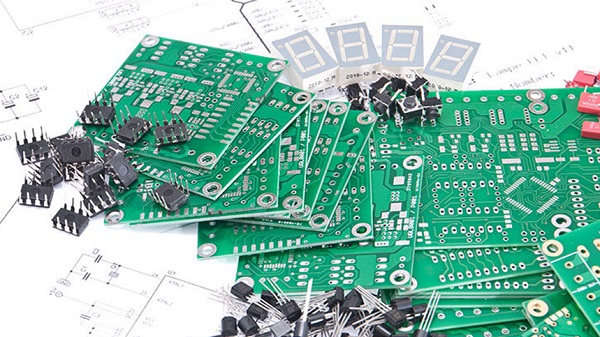
pcb assembly cost
What Defines PCB Assembly Cost in 2026
PCB assembly cost is no longer just about placing components on a board. It is a combination of materials, labor, engineering, testing, and supply chain factors within a complete pcba service.
In 2026, the biggest change is the shift toward high-density designs, smaller components like 01005 packages, and increased demand for reliability. These trends require more advanced equipment and stricter process control in smt pcb assembly, which directly influence pricing.
A typical PCB assembly quote includes:
Bare PCB fabrication
Electronic components
SMT and THT assembly
Engineering and setup
Testing and quality control
Logistics and supply chain costs
Each of these elements contributes differently depending on your product type, volume, and complexity.
Bare PCB Fabrication Cost
The foundation of any pcba manufacturing cost starts with the bare PCB.
Key factors affecting PCB cost include:
Number of layers (single, double, multilayer)
Board size and thickness
Material type (FR4, Rogers, aluminum, etc.)
Surface finish (HASL, ENIG, OSP)
Trace width and spacing
Via types (through-hole, blind, buried)
In 2026, multilayer boards and HDI designs are increasingly common, especially in consumer electronics and IoT devices. These require laser drilling and sequential lamination, which significantly increase fabrication costs before entering the smt pcb assembly stage.
For example:
A simple 2-layer PCB may cost a few dollars per unit in volume
A complex HDI board can cost 5–10x more
Electronic Components Cost
Component sourcing remains the largest portion of total PCB assembly cost in any pcba service.
This includes:
ICs (microcontrollers, processors)
Passive components (resistors, capacitors)
Connectors and mechanical parts
Specialized modules (Bluetooth, WiFi, sensors)
In 2026, pricing is heavily influenced by:
Global semiconductor supply fluctuations
Component lifecycle (active vs obsolete)
Brand selection (Tier 1 vs alternatives)
Purchase volume
Long lead times for certain chips still exist, especially for automotive and industrial-grade components. Using alternative or second-source components can reduce costs in pcba manufacturing, but requires engineering validation.
A typical cost distribution:
Components: 60%–80% of total PCB assembly cost
SMT Assembly Cost
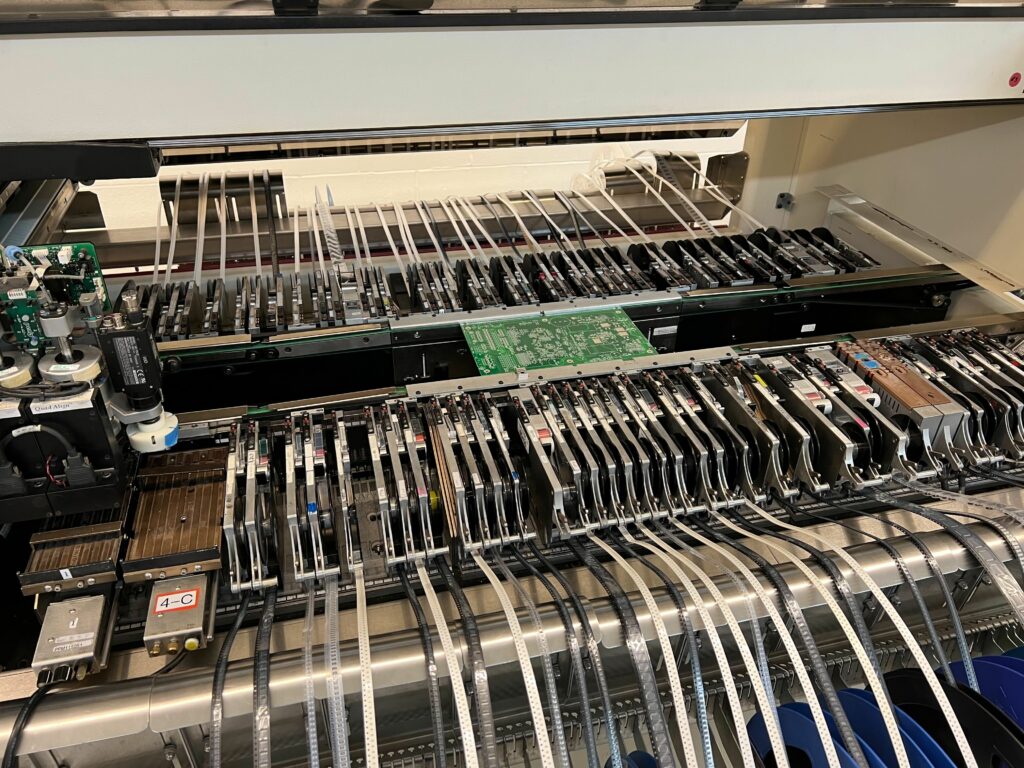
smt assembly cost
Surface Mount Technology is the core of modern smt pcb assembly.
SMT costs are typically calculated based on:
Number of placements (per component)
Type of components (standard vs fine-pitch vs BGA)
Board complexity
Machine programming and setup
In 2026, handling ultra-small components like 01005 and fine-pitch BGAs requires:
High-end pick-and-place machines
Advanced solder paste printing
Precision inspection systems
This increases both equipment investment and operational cost in pcba manufacturing.
Typical SMT pricing models include:
Cost per placement (e.g., $0.003–$0.01 per point)
Setup fee (one-time per batch)
Stencil cost (for solder paste printing)
For low-volume prototypes, setup costs dominate. For mass production, placement cost becomes the main factor in any professional pcba service.
Through-Hole Assembly Cost
Although SMT dominates, through-hole technology is still widely used in pcba manufacturing for:
Connectors
Power components
Mechanical support parts
THT assembly is more labor-intensive and often includes:
Manual insertion
Wave soldering or selective soldering
Because of higher labor involvement, THT costs are generally higher per component compared to smt pcb assembly.
In 2026, automation in selective soldering has improved efficiency, but manual work still plays a role in complex assemblies.
Engineering and NRE Cost
Non-Recurring Engineering costs are often overlooked but critical in any pcba service.
These include:
PCB design review (DFM/DFA)
BOM verification
Programming of machines
Test fixture development
For new projects, NRE can range from:
$100 to $1000+ depending on complexity
While this is a one-time cost, it significantly impacts prototype and small-batch pricing in pcba manufacturing.
In 2026, manufacturers increasingly offer free or reduced DFM analysis to attract customers, but complex projects still require paid engineering work.
Stencil and Tooling Cost
Stencil cost is essential for smt pcb assembly, as it controls solder paste application.
Factors influencing stencil cost:
Board size
Aperture precision
Material (laser-cut stainless steel)
Typical cost range:
$50–$200 per stencil
Additional tooling may include:
Fixtures for wave soldering
Functional test jigs
For high-volume production, these costs are amortized over large quantities, making them negligible per unit in a full pcba service.
Testing and Quality Control Cost
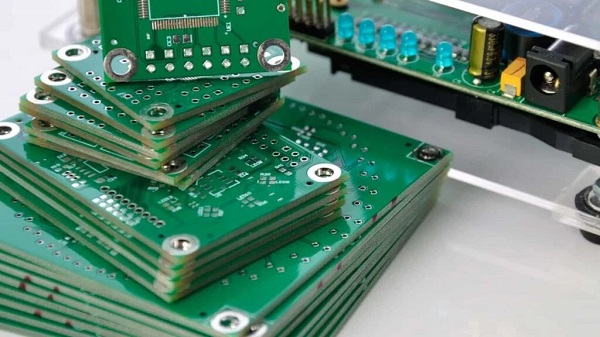
pcb cost
Testing is becoming more important as electronics become more complex in modern pcba manufacturing.
Common testing methods:
AOI (Automated Optical Inspection)
X-ray inspection (for BGA and hidden joints)
ICT (In-Circuit Testing)
FCT (Functional Circuit Testing)
Testing costs depend on:
Test coverage requirements
Product complexity
Fixture development
In 2026, high-reliability industries like automotive and medical require extensive testing, increasing cost but ensuring long-term product stability within a reliable pcba service.
Skipping proper testing may reduce upfront cost but often leads to higher failure rates and warranty expenses.
Labor Cost and Automation Impact
Labor cost varies significantly depending on manufacturing location.
Key trends in 2026:
Increased automation reduces manual labor dependency
Smart factories use AI-driven inspection and optimization
Skilled labor is still required for complex assemblies
Regions with higher labor costs rely more on automation, while Asia remains competitive due to scale and supply chain advantages in pcba manufacturing.
Logistics and Supply Chain Cost
Shipping and logistics play a bigger role than ever in a global pcba service model.
Cost factors include:
Component sourcing from multiple countries
Freight costs (air vs sea)
Customs duties and taxes
Warehousing and inventory management
Global supply chain disruptions have made pricing less predictable. Many companies now prioritize stable supply over the lowest cost when selecting a pcba manufacturing partner.
Volume Impact on PCB Assembly Cost
Production volume is one of the most important pricing factors in smt pcb assembly.
Low volume (prototype):
High cost per unit
Setup and NRE dominate
Medium volume:
Balanced cost structure
Better component pricing
High volume:
Lowest cost per unit
Economies of scale fully realized
For example:
10 units may cost $50 each
10,000 units may cost $5–$10 each
This is why planning for scalability is essential when working with a long-term pcba service provider.
Design Complexity and Cost Relationship
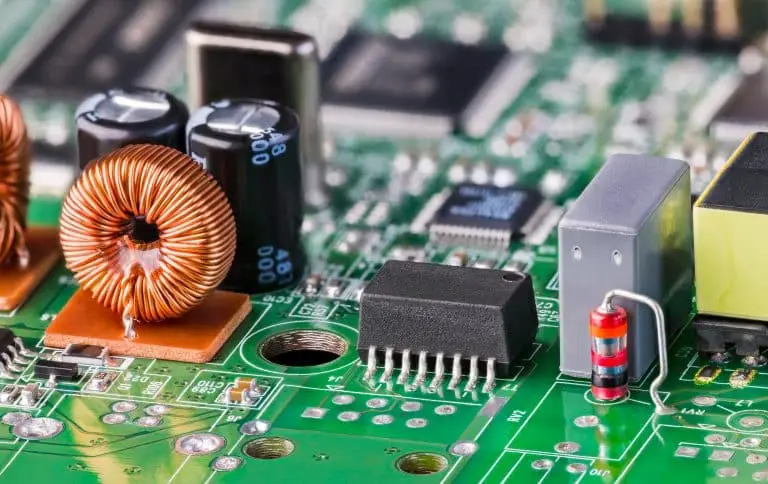
PCB fabrication cost
Design decisions directly impact assembly cost in pcba manufacturing.
Key cost drivers:
Component density
Fine-pitch components
BGA usage
Mixed SMT and THT design
Special materials
Simplifying design can significantly reduce cost without affecting functionality.
Examples of cost optimization through design:
Reducing layer count
Avoiding unnecessary microvias
Standardizing component packages
Increasing spacing for easier smt pcb assembly
Hidden Costs Buyers Often Ignore
Many buyers focus only on unit price and overlook hidden costs in pcba service.
Common hidden costs include:
Yield loss and rework
Component substitutions
Delays due to supply shortages
Quality issues and returns
Communication inefficiencies
Choosing the cheapest supplier often leads to higher total cost in the long run.
How to Reduce PCB Assembly Cost in 2026
Cost optimization in pcba manufacturing is not about cutting corners, but making smarter decisions.
Effective strategies include:
Optimize your BOM
Choose widely available components and avoid obsolete parts
Design for manufacturability
Work with your manufacturer early to simplify smt pcb assembly
Increase order volume
Even slightly larger batches can significantly reduce unit cost
Consolidate suppliers
Using a turnkey pcba service reduces coordination cost
Plan ahead
Avoid last-minute orders that require expensive expedited production
Choosing the Right PCB Assembly Partner
A reliable pcba manufacturing partner can help you control costs while maintaining quality.
Look for:
Strong supply chain capabilities
Advanced SMT equipment
Transparent pricing structure
Engineering support
Experience in your industry
In 2026, the best pcba service providers act as collaborators, not just vendors.
Conclusion
PCB assembly cost in 2026 is influenced by a complex combination of materials, technology, labor, and supply chain dynamics. Understanding each cost component allows you to make better sourcing decisions, optimize your design, and improve profitability within your pcba manufacturing strategy.
Rather than focusing solely on the lowest price, successful companies evaluate total cost, reliability, and long-term value. With the right smt pcb assembly partner, you can achieve both cost efficiency and high product quality.