 PCB & PCBA Manufacturer

What Is a Metal Core PCB (MCPCB)?
A Metal Core PCB (MCPCB) is a printed circuit board that uses a metal base—typically aluminum or copper—to efficiently transfer heat away from high-power electronic components. Unlike standard FR-4 boards, MCPCBs use a three-layer structure:
Metal substrate for heat dissipation
Thermally conductive dielectric layer that provides electrical insulation
Copper circuit layer for signal and power routing
This structure significantly improves thermal management, mechanical stability, and power handling, making MCPCBs ideal for high-power and heat-intensive applications such as LED lighting, power electronics, and automotive systems.
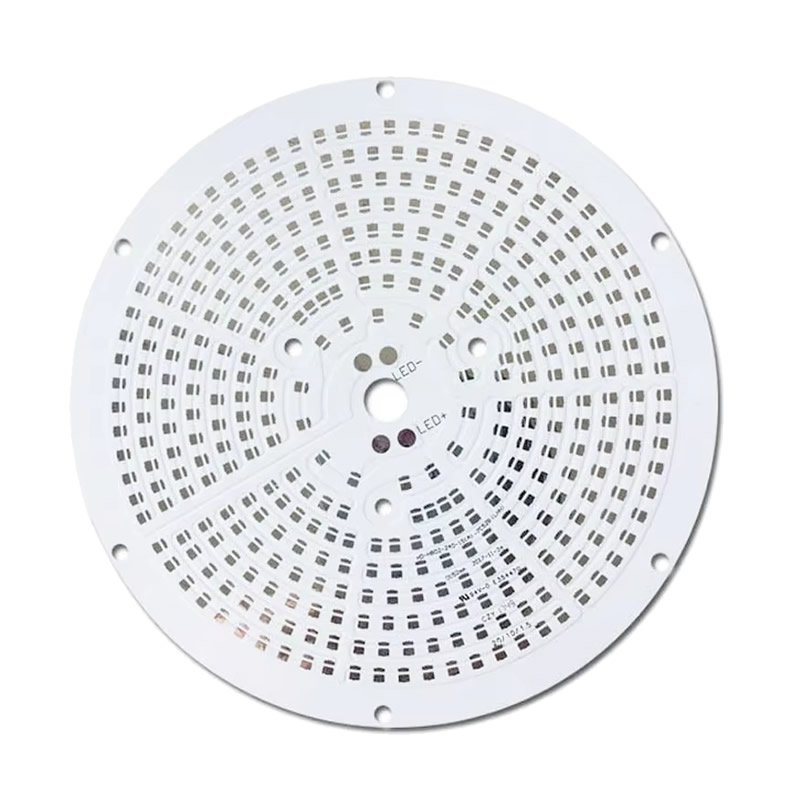
Types of Metal Core Materials
The two most common metal core materials are aluminum and copper, each suited to different performance and cost requirements.
Aluminum Core PCBs
Aluminum is the most widely used MCPCB material due to its excellent balance of thermal performance, low weight, and cost efficiency. It is commonly used in:
LED lighting
Consumer electronics
Automotive electronics
where effective heat dissipation is needed without increasing overall system cost.
Copper Core PCBs
Copper offers higher thermal conductivity than aluminum, making it ideal for very high-power or high-frequency applications. Although heavier and more expensive, copper core PCBs are preferred in:
Power electronics
RF and microwave circuits
Aerospace and defense systems
where maximum heat transfer and electrical performance are required.
Key Benefits of Metal Core PCBs
Superior Heat Dissipation
The metal base efficiently transfers heat away from components, keeping operating temperatures stable, preventing thermal failure, and extending component lifespan.
Higher Current Handling
Thanks to improved thermal conductivity, MCPCBs can safely carry higher currents without overheating, making them ideal for LED drivers, power converters, and high-power modules.
Improved Mechanical Strength
The metal substrate adds rigidity and durability compared to standard FR-4 PCBs, offering better resistance to vibration, shock, and mechanical stress—critical in industrial and automotive environments.
Metal Core PCB Design Considerations
When designing MCPCBs, key factors include:
Core material selection – aluminum vs. copper based on cost, weight, and thermal performance
Dielectric layer thickness – affects both thermal resistance and electrical isolation
Thermal conductivity rating – determines how efficiently heat is transferred from components to the metal base
Proper design ensures optimal thermal performance and long-term reliability.
Common Applications of Metal Core PCBs
LED Lighting Systems
Efficient heat dissipation keeps LEDs cool, improving brightness stability and significantly extending their service life.
Power Electronics
Used in power supplies, inverters, and motor drivers where high current and heat must be managed safely.
Automotive and Aerospace
Applied in high-reliability environments where vibration resistance, thermal stability, and durability are essential.