PCBA Assembly & Electronics Manufacturing Services Provider

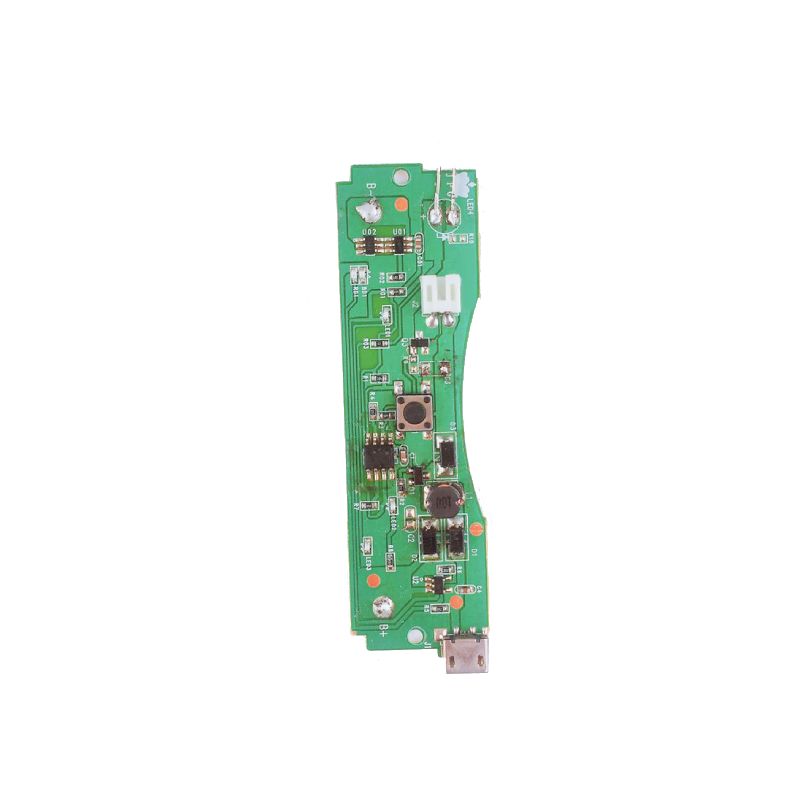
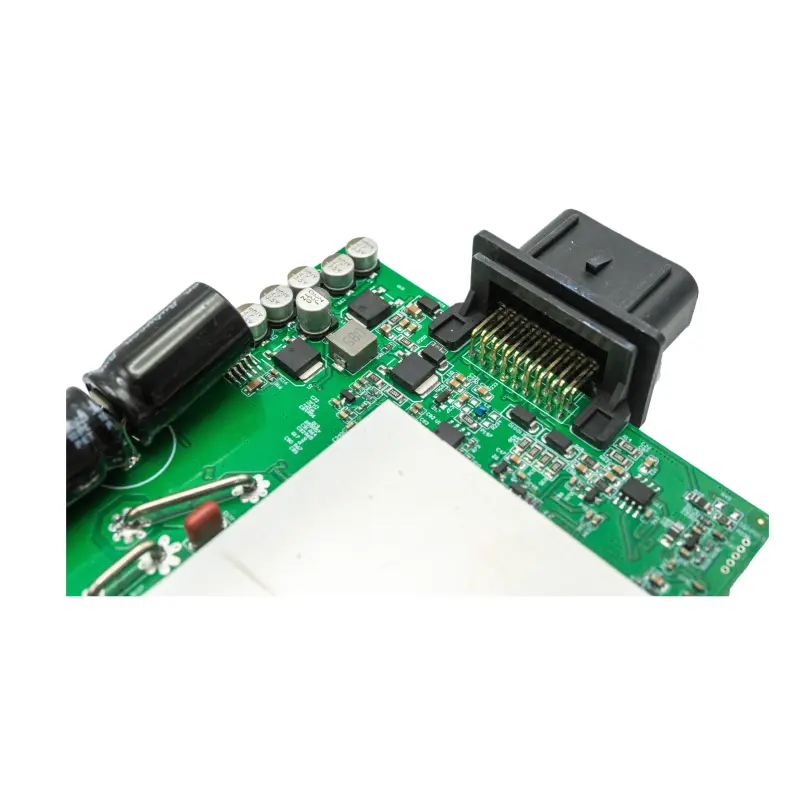
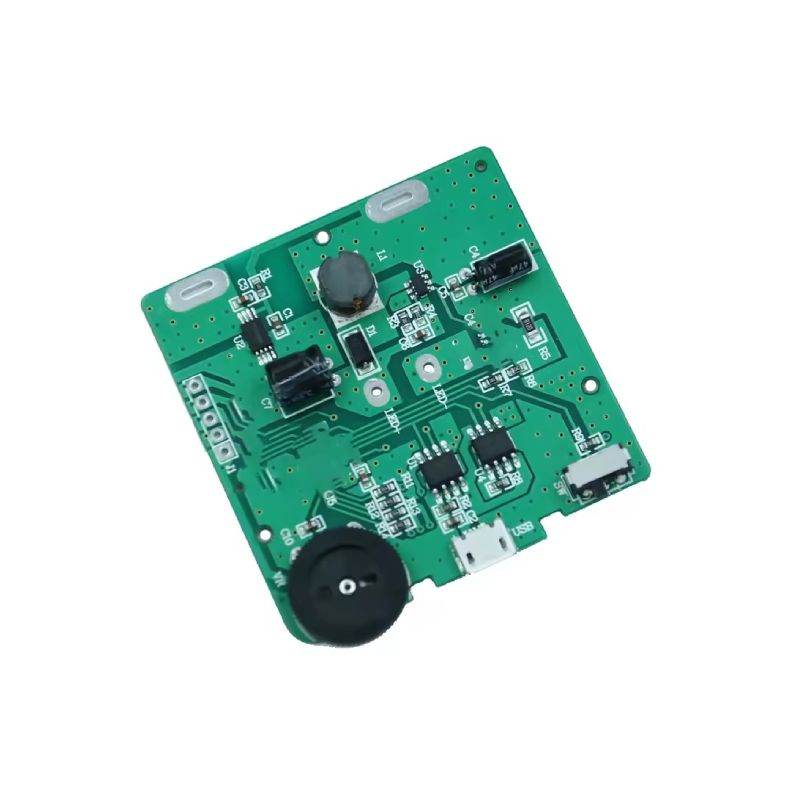
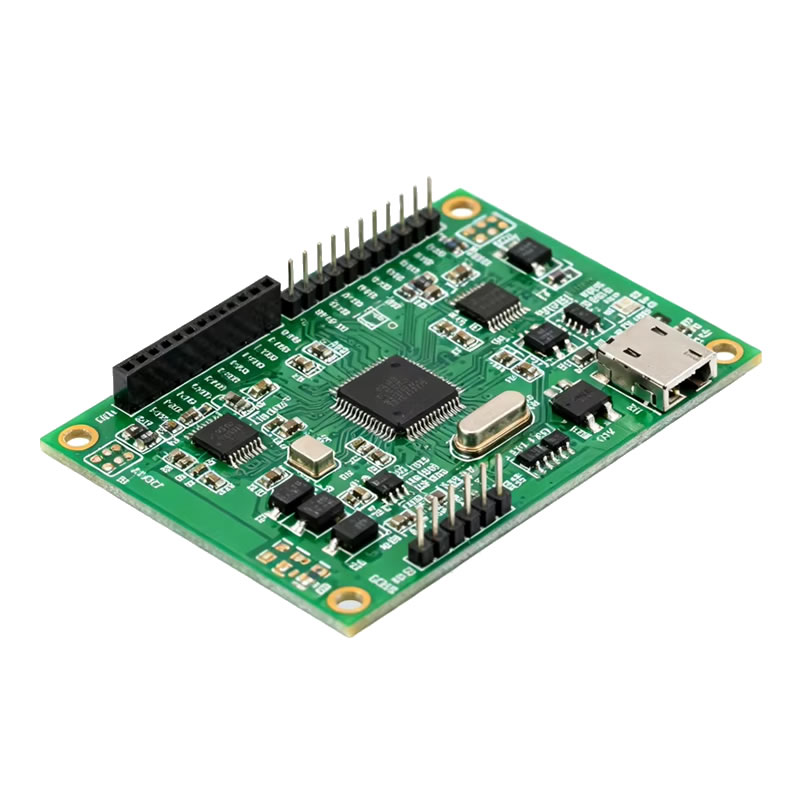
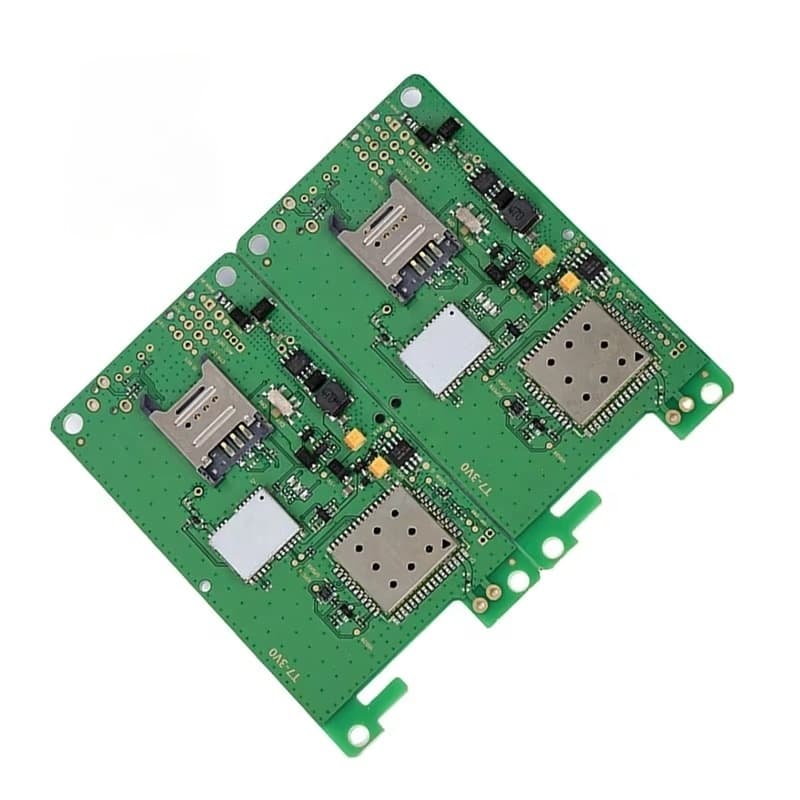
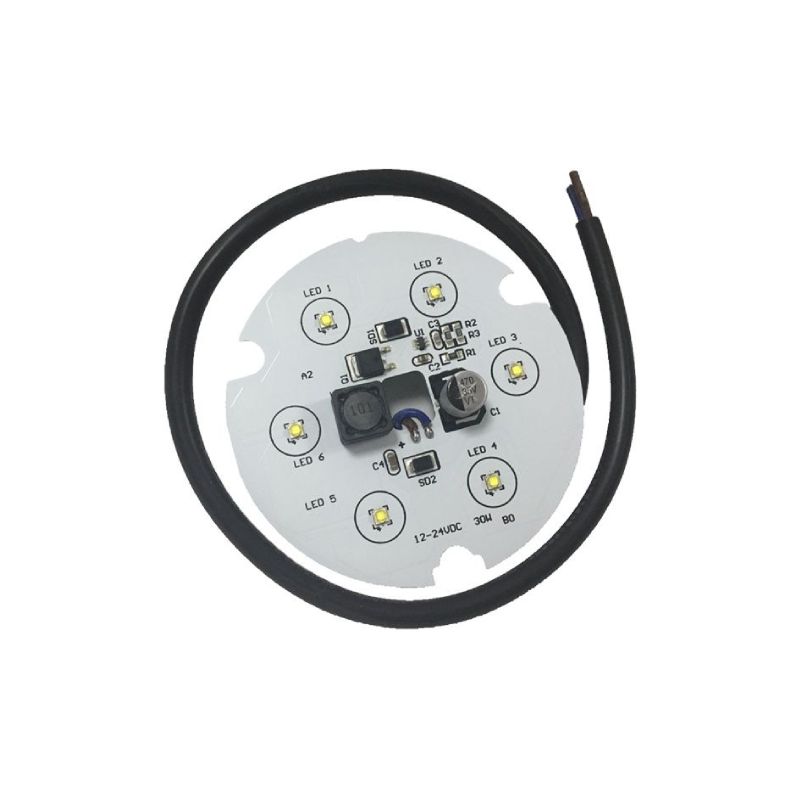
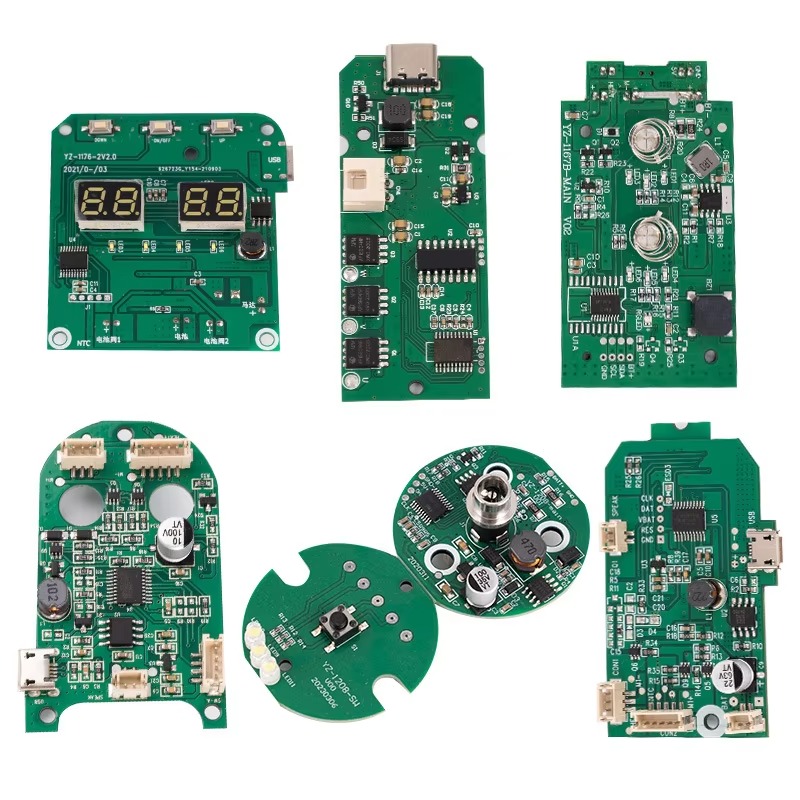
Smart Trash Can Sensor PCBA Solution - Turnkey PCB Assembly

Sensors & Actuators PCBA/Industrial Automation PCBA/


Trash Can Sensor PCBA Solution

Application: Industrial Automation Solutions

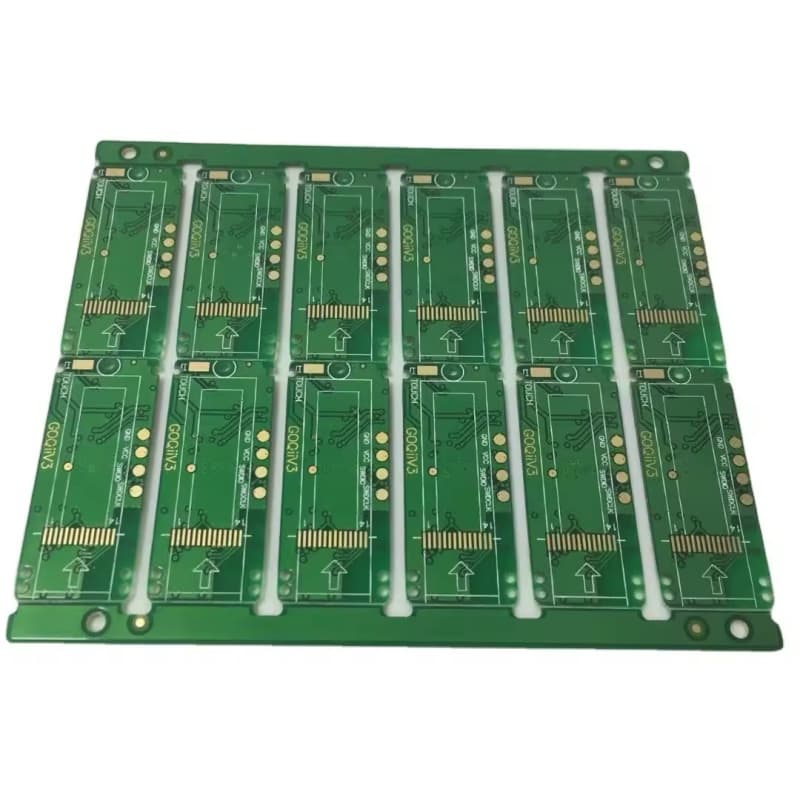
Layers: 1-32

Material: FR-4

Thickness: 1.6 mm

Copper: 1 oz

Surface Finish: HASL

Model: TXJ-IASA-06

Use: Trash Can Sensor

Related products:   Industrial Automation PCBA

  • Product Details
  • FAQs
  • Shipping & Delivery

The Engineering Behind a Reliable Trash Can Sensor PCBA

A trash can sensor pcba is a unique piece of hardware. Unlike stationary electronics, these boards often reside in environments that are humid, subject to temperature fluctuations, and exposed to organic waste. This requires a robust approach to pcb assembly.

Our engineering team focuses on three critical pillars for every sensor board:

  1. Ultra-Low Standby Power: Since most smart trash cans are battery-operated, our pcba manufacturing process prioritizes the use of low-power microcontrollers and optimized circuit paths to ensure the device can remain dormant for months without draining the cells.

  2. Sensor Accuracy: Whether your design utilizes Passive Infrared (PIR), Ultrasonic, or Time-of-Flight (ToF) sensors, our assembly process ensures that signal paths are shielded from interference, preventing “ghost openings” or delayed responses.

  3. Environmental Resilience: We offer optional conformal coating during the pcb assembly phase to protect the circuitry from the corrosive effects of moisture and kitchen vapors.

Precision SMT PCB Assembly for Smart Waste Solutions

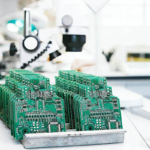
To fit into the sleek, often curved lids of modern waste bins, the electronics must be as compact as possible. This is where our trash can sensor smt pcb board expertise becomes a strategic advantage. Our facility utilizes high-speed smt pcb assembly lines that can handle miniature components (down to 0201 footprints) with surgical accuracy.

By leveraging automated smt pcb assembly, we provide:

  • High-Density Layouts: Utilizing multi-layer boards to keep the footprint small without sacrificing functionality.

  • 3D Solder Paste Inspection (SPI): Ensuring that every pad on the trash can sensor smt pcb board has the precise amount of solder to survive the mechanical vibrations of a moving lid.

  • Reflow Optimization: Carefully managed thermal profiles that protect delicate sensor elements from heat damage during the soldering process.

Comprehensive PCBA Manufacturing and Quality Control

In the B2B world, the lowest price is irrelevant if the failure rate is high. Our pcba manufacturing philosophy is built on the “Zero Defect” principle. We treat a trash can sensor pcb assembly with the same level of scrutiny as high-end industrial gear.

Every batch undergoes a rigorous quality protocol:

  • Automated Optical Inspection (AOI): Post-SMT verification of every component’s placement and polarity.

  • In-Circuit Testing (ICT): Checking for shorts, opens, and resistance values to ensure the board is electrically sound.

  • Functional Testing (FCT): We can simulate the sensor’s trigger mechanism and motor drive output to ensure the trash can sensor pcba performs exactly as intended before it leaves our dock.

The Turnkey Advantage for B2B Clients

Managing a supply chain in today’s volatile market is a challenge for any hardware brand. Our trash can sensor pcb assembly service is a full-turnkey solution. This means we take the burden of component procurement off your shoulders. We source authentic sensors, ICs, and passives from a global network of authorized distributors, ensuring that your pcba manufacturing timeline is never derailed by counterfeit parts or sudden shortages.

Furthermore, we offer:

  • DFM (Design for Manufacturing) Analysis: We review your files to suggest cost-saving measures and layout improvements.

  • Rapid Prototyping: Get a functional trash can sensor smt pcb board in your hands for testing in as little as 5-7 days.

  • Logistics Support: We handle the complexities of international shipping, providing transparent tracking and documentation for our North American and European partners.

Partner with a Leading PCBA Manufacturer

The smart waste management market is projected to grow significantly over the next decade. To capture this growth, you need a partner who understands the nuances of pcb assembly for high-volume consumer goods. Whether you are scaling a successful Kickstarter campaign or managing the hardware needs of a multinational brand, our facility is equipped to be your technical backbone.

By combining the cost-efficiencies of a China-based factory with the communication and quality standards of a Western firm, we deliver trash can sensor pcba solutions that define the next generation of touchless living.

Q: What is the standard ordering process for Tengxinjie’s PCBA manufacturing services?

A: PCB assembly steps:

  1. Submission of technical documents (Gerber files, BOM, pick-and-place, test requirements, etc.)
  2. Quotation review and lead-time confirmation
  3. Prototype build and customer approval (if required)
  4. Mass production with quality inspection (AOI, X-ray, functional testing)
  5. Final packaging and shipment
  6. After-sales technical support and feedback

This process ensures accuracy, traceability, and smooth transition from prototype to mass production.

Learn more: Tengxinjie Ordering Guide


Q: What Base Materials Does Tengxinjie Offer for PCB Manufacturing?

A: Tengxinjie offers a wide selection of PCB Base Materials, including standard FR4, HDI PCB, Flexible PCB, Rogers PCB, Teflon, copper-core, and aluminum substrates. With these options, you can easily select the most suitable material to ensure the best performance for your project.


Q: Does Tengxunjie accept small-batch or prototype orders?

A: Yes. We support small-batch production and prototype orders, typically with minimum order quantities ranging from 10 to 200 pieces.

However, small-batch production may result in higher unit costs, and certain electronic components have minimum order quantity (MOQ) requirements.
Partnering with a flexible PCBA supplier enables startups and R&D teams to advance product development without significant upfront investment.


Q: What is the typical PCBA lead time? What affects delivery time?

A: PCBA lead time depends on order size and project complexity. Typical estimates are:

  • Prototype builds: 5–10 working days

  • Small-batch production: 10–15 working days

  • Mass production: 15–30+ working days

Key factors that impact lead time include:

  • Component availability and specified brands

  • Turnkey service scope

  • PCB layer count and complexity

  • Testing and inspection requirements

An experienced PCBA manufacturer can help manage these factors to keep your project on schedule.


Q: How are PCBA boards packaged and shipped?

A: PCBA boards are packed according to their sensitivity and shipping method. Standard packaging includes:

  • ESD-safe anti-static bags

  • Bubble wrap, foam, or anti-static trays

  • Moisture-proof, labeled outer cartons with tracking information

For medical, automotive, or high-reliability electronics, cleanroom packaging or special handling is available.
Most PCBA suppliers support air freight, sea freight, and express courier based on order size and urgency.


Q: What are the advantages of turnkey PCBA and one-stop manufacturing?

A: Turnkey PCBA services mean the manufacturer handles everything — Electronic component sourcing, PCB fabrication, PCB assembly, testing, and logistics.

A reliable one-stop PCBA supplier helps customers:

  • Simplify supply chain management
  • Reduce sourcing and communication errors
  • Shorten production lead time
  • Speed up time-to-market

This is especially valuable for OEMs, startups, and engineering teams that need fast and stable production.


Q: How do we ensure the quality of electronic components used in assembly?

A: We maintain a rigorous supplier qualification process and a global procurement network, sourcing parts exclusively from authorized and trusted distributors. All incoming components undergo stringent inspection to verify authenticity and quality before being deployed.


Shipping Terms

Shipping costs are paid by the buyer.
We normally ship via DHL, UPS, FedEx, or TNT.
Alternatively, you may provide your own courier account or arrange delivery to your freight forwarder in China.

For large-volume orders, sea freight is available.


Delivery to Port (FOB Terms)

When shipping to a port, Tengxinjie is responsible for transporting the goods to the departure port.
All customs clearance, ocean freight, insurance, and onward transportation after that point are the responsibility of the buyer.

Tengxinjie can recommend reliable local freight forwarders upon request.
With the buyer’s authorization, Tengxinjie may also assist in coordinating shipping, with all related costs charged to the buyer.


Notice

The above shipping information is for reference only.
Tracking details and shipment updates will be provided once the order has been dispatched.

PCBA Shipping Delivery

PCBA Shipping Delivery

Prev:

Next:

Leave a Reply

Get a Quote ?

[contact-form-7 id="548" title="Contact Form"]