 PCB & PCBA Manufacturer


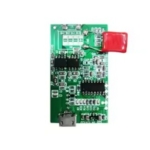
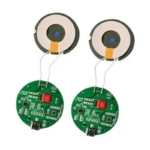
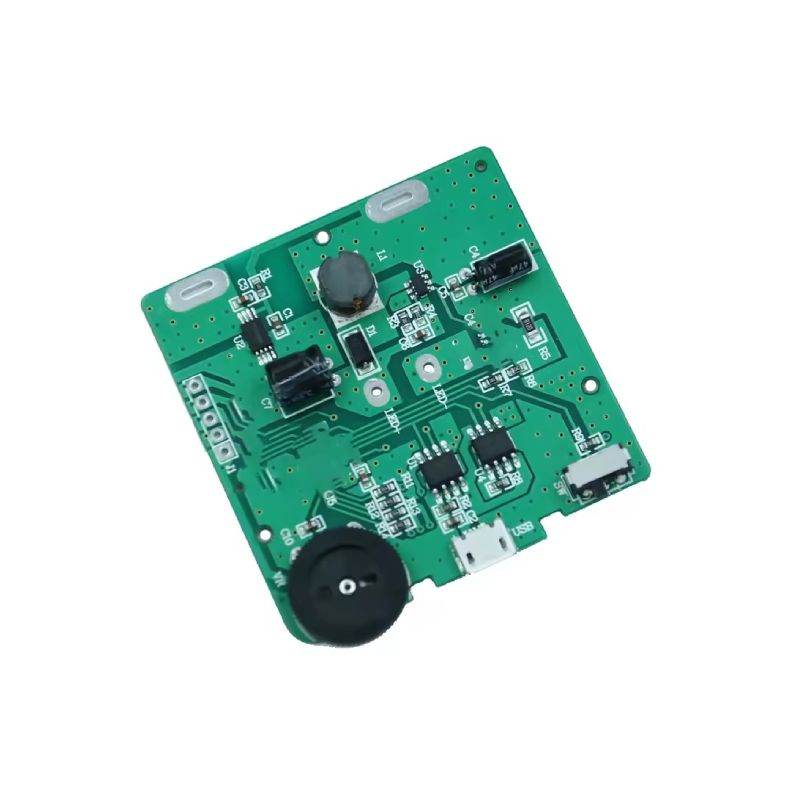
Power Bank PCB Assembly
In the European market, Power Bank PCB Assembly is not merely a technical process; it represents the foundation of safety, reliability, and sustainability in consumer electronics. European consumers are highly attentive to product compliance with safety standards, environmental regulations, and long-term usability. Therefore, when describing the assembly of printed circuit boards (PCBs) for power banks, it is essential to highlight not only the technical aspects but also the values of durability, eco-friendliness, and user-centric design.
Technical and Structural Features
- Efficient Energy Conversion: The PCB must ensure minimal energy loss during charging and discharging, supporting fast-charging protocols while maintaining efficiency.
- Smart Power Management: Integrated control chips provide overcharge, over-discharge, short-circuit, and thermal protection, which are crucial for European safety expectations.
- Compact Layout: Space optimization is key, as European users prefer portable devices with sleek designs.
- High-Quality Soldering: Lead-free soldering techniques are applied to comply with RoHS standards, ensuring both safety and environmental responsibility.
- Modular Design: A modular approach allows easier maintenance and upgrades, aligning with Europe’s emphasis on repairability and sustainability.
Compliance with European Standards
- CE Certification: Every power bank sold in Europe must carry CE marking, proving conformity with EU directives.
- RoHS and REACH Regulations: PCB materials must avoid hazardous substances, reflecting Europe’s strong stance on environmental protection.
- Durability and Longevity: European consumers value products that last, so assembly processes must prioritize robust components and reliable connections.
- Sustainability: Designs should consider recyclability and reduced environmental impact, in line with the EU’s Green Deal initiatives.
- User Safety: Strict adherence to EN standards ensures that devices are safe for everyday use, even under heavy charging cycles.
Production and Quality Control Process
- Component Selection: Only certified components are sourced, including batteries, capacitors, inductors, and ICs that meet EU standards.
- PCB Design: Multi-layer boards are preferred to optimize current flow and reduce electromagnetic interference.
- Surface Mount Technology (SMT): Automated placement ensures precision and consistency in assembly.
- Lead-Free Soldering: Environmentally friendly soldering methods guarantee compliance with European regulations.
- Functional Testing: Each PCB undergoes rigorous testing for charging efficiency, thermal stability, and durability.
- Final Inspection: Products are checked against CE and RoHS requirements before entering the European market.
User Value and Market Trends
- Safety and Reliability: European users prioritize devices that can withstand long-term use without risk.
- Eco-Friendly Manufacturing: Green production methods and recyclable materials are increasingly demanded.
- Smart Integration: Future PCBs will incorporate advanced features such as wireless charging and AI-based energy management.
- Customization: European consumers appreciate options in capacity, design, and functionality.
- Sustainable Consumption: Repairability and recyclability are becoming key selling points in the European electronics market.
Conclusion
Power Bank PCB Assembly in Europe is a process that blends advanced engineering with strict regulatory compliance and user-focused values. It is not only about creating a functional circuit board but also about ensuring that the final product reflects European priorities: safety, sustainability, and long-term usability. Manufacturers who align their assembly processes with these expectations will find greater acceptance and success in the European market. Moreover, as consumer demand evolves, companies must continue to innovate by integrating smarter energy solutions, adopting greener production methods, and offering customizable designs. This holistic approach ensures that power banks remain competitive, trustworthy, and aligned with Europe’s vision for sustainable technology.
Extended Conclusion
In addition to safety and sustainability, Power Bank PCB Assembly in Europe increasingly reflects the continent’s broader cultural and regulatory priorities. Manufacturers are expected to integrate eco‑design principles, ensuring that every stage of production—from raw material selection to end‑of‑life recycling—minimizes environmental impact. Transparency in supply chains and ethical sourcing of components are also gaining importance, as European consumers value accountability alongside performance. Furthermore, innovation in PCB assembly is driving the adoption of renewable energy integration, smart monitoring systems, and adaptive charging technologies. By aligning with these evolving expectations, companies can strengthen trust, enhance competitiveness, and contribute meaningfully to Europe’s sustainable technology landscape.