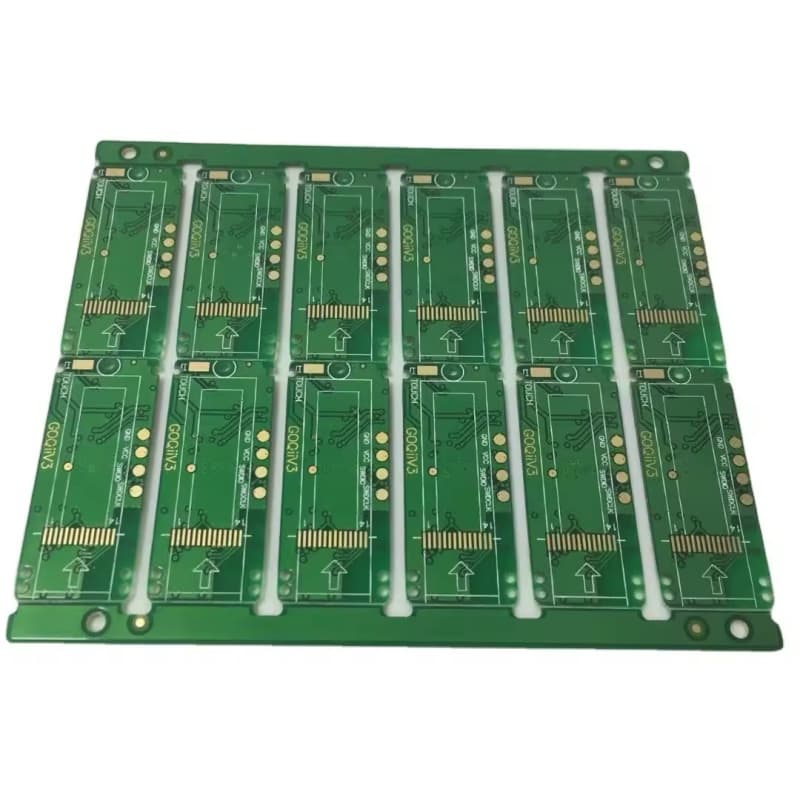
 PCB & PCBA Manufacturer
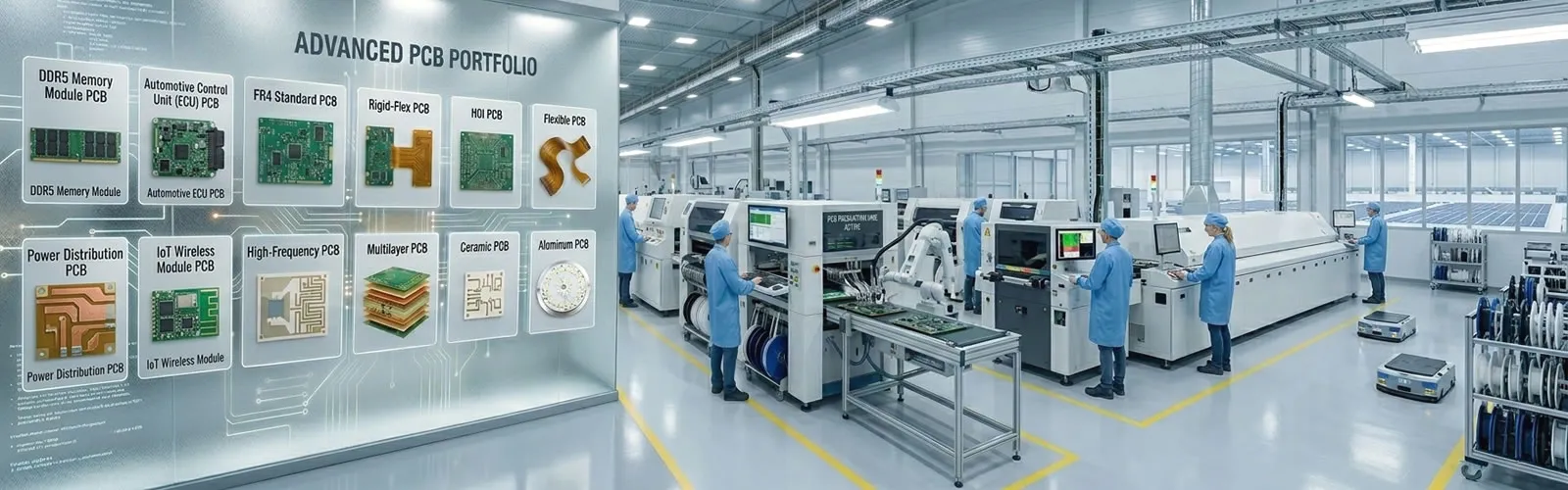
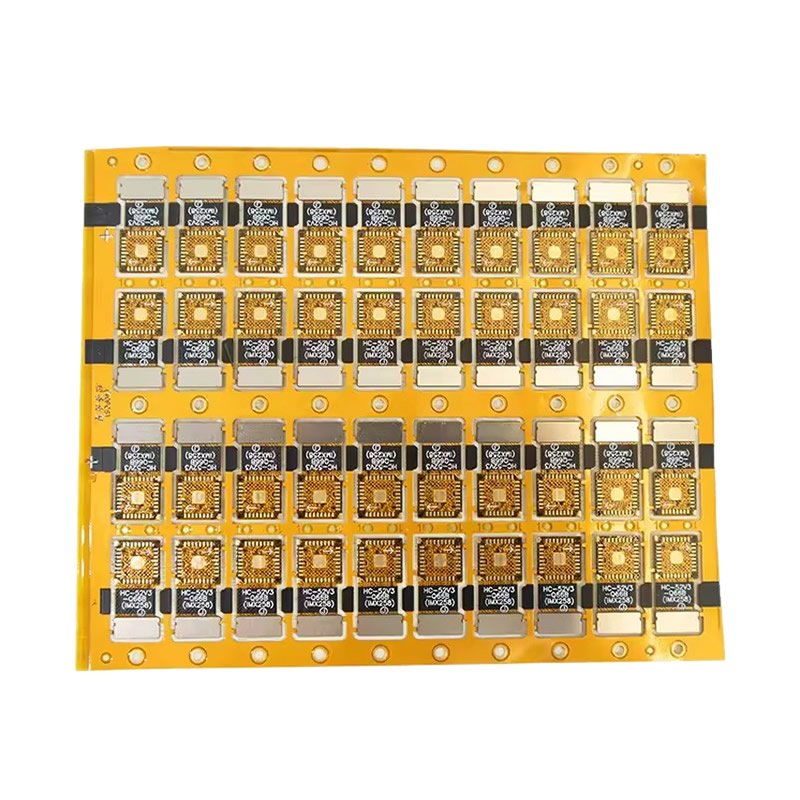
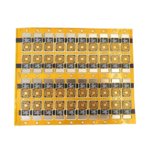
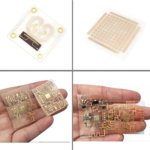
FPC – Flexible Printed Circuit Manufacturer
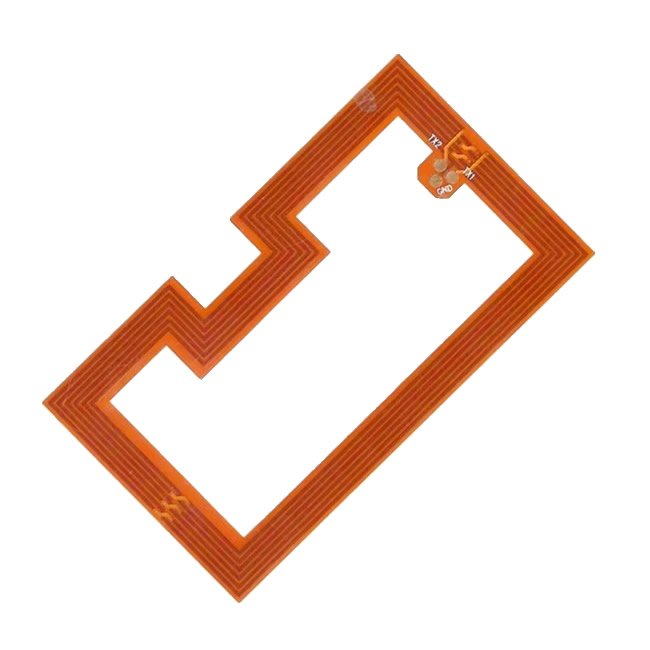
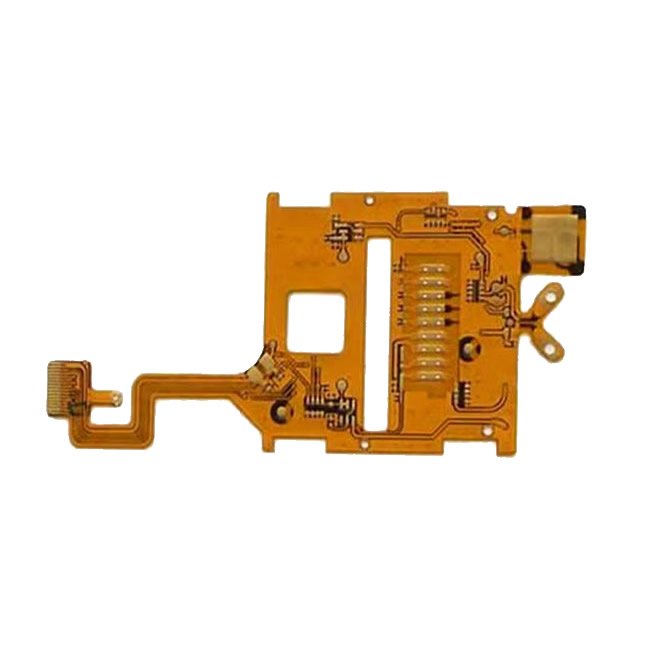
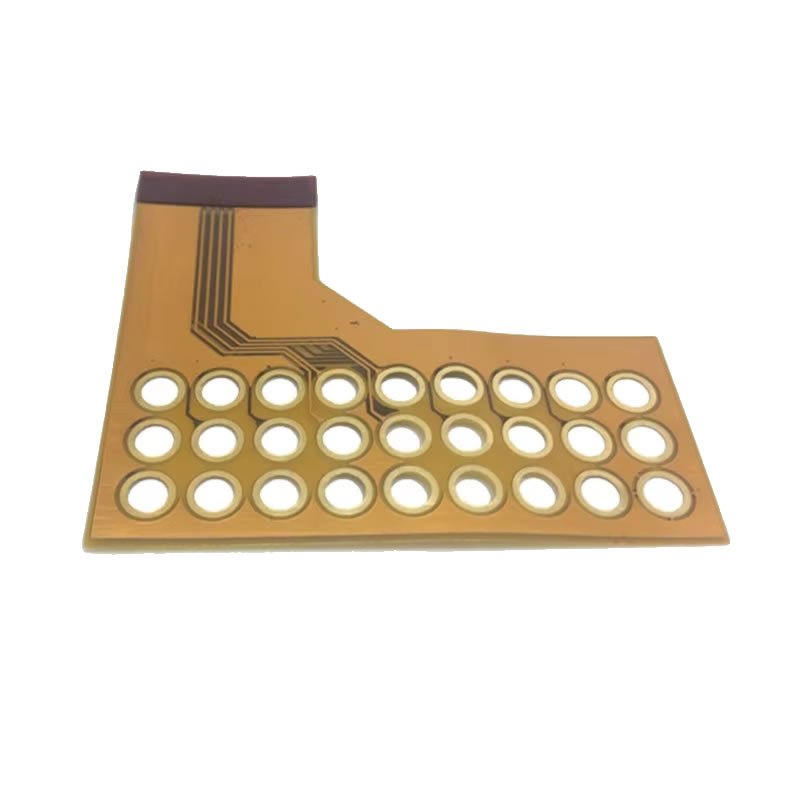
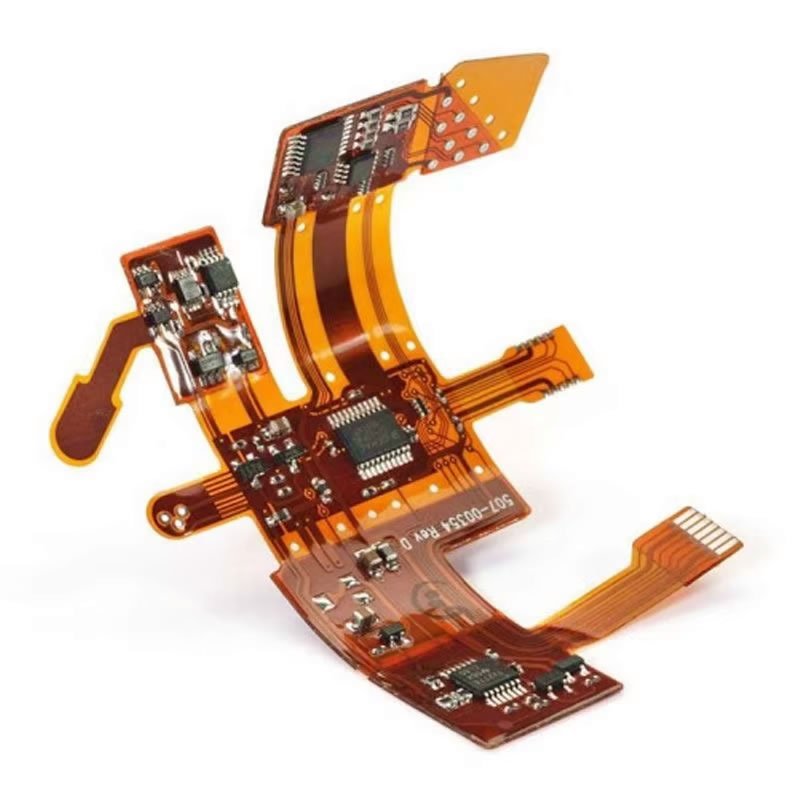
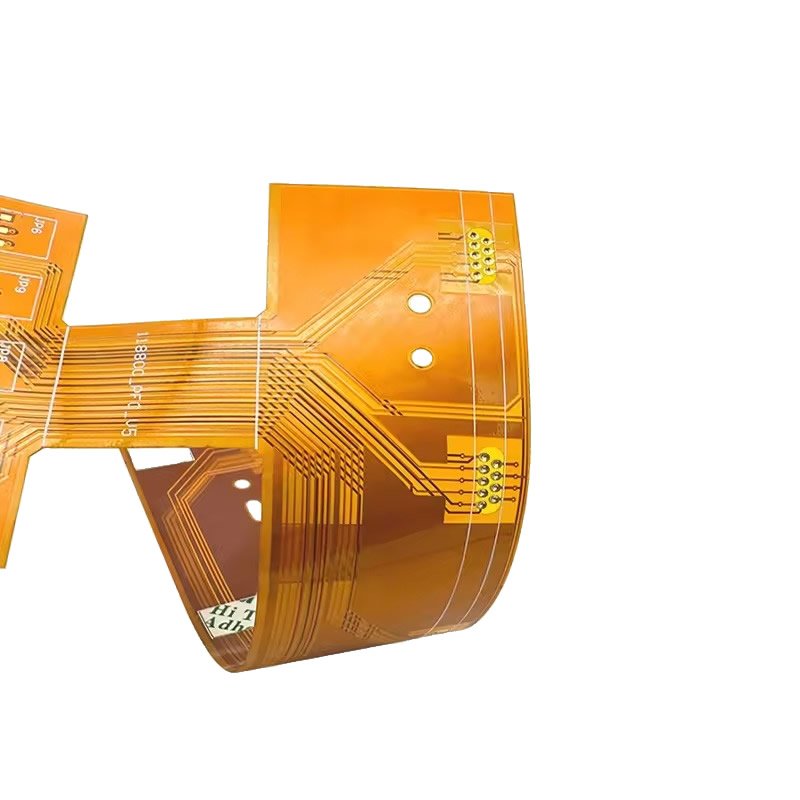
FPC (Flexible Printed Circuit) is the industry standard term for a thin, bendable circuit board made from polyimide material. Unlike rigid FR4 boards, FPCs can bend, fold, and twist – enabling 3D packaging, reducing weight, and eliminating connectors.
As a specialized flexible printed circuit manufacturer, we produce custom FPCs for customers worldwide. From simple 1-layer flex circuits for wearable devices to complex 6-layer FPCs for medical and aerospace applications, we build to your exact specifications.
What is an FPC (Flexible Printed Circuit)?
| Feature | Rigid PCB | FPC (Flexible Printed Circuit) |
|---|---|---|
| Base material | FR4 (glass epoxy) | Polyimide (Kapton) |
| Thickness | 0.6mm – 2.4mm | 0.1mm – 0.4mm |
| Bendability | None – cracks if bent | Yes – designed to bend |
| Copper type | ED copper (standard) | RA copper (rolled annealed) |
| Surface protection | Solder mask (brittle) | Coverlay (polyimide – flexible) |
| Weight | Heavy | Very lightweight |
Why Choose a Specialized FPC Manufacturer?
| Aspect | General PCB Manufacturer | Specialized FPC Manufacturer (Us) |
|---|---|---|
| Core competency | Rigid PCB | FPC (Flexible Printed Circuit) |
| RA copper | Sometimes (upcharge) | Standard – always included |
| Bend radius expertise | Limited | Deep expertise – DFM included |
| Coverlay knowledge | May confuse with solder mask | Coverlay standard for FPC |
| Stiffener design | Limited options | FR4, polyimide, metal |
| Dynamic flex experience | Limited | Extensive – thousands of cycles |
| Engineering support | Basic | Specialized FPC DFM review |
What We Offer as Your FPC Manufacturer
| Service | Description |
|---|---|
| Custom layer stackup | 1 to 6 layers (8 on request) – any arrangement |
| Board thickness | 0.1mm to 0.4mm (up to 0.6mm with stiffeners) |
| Copper type | RA copper standard – rolled annealed |
| Copper weight | 0.5 oz or 1 oz – your choice |
| Min trace width/spacing | 3 mil / 3 mil (0.075mm) – 2 mil available |
| Coverlay | Polyimide – yellow, black, or white |
| Stiffeners | FR4, polyimide, metal (aluminum, steel) |
| PSA adhesive backing | 3M or equivalent – for mounting |
| EMI shielding | Silver ink, copper layer, shielding film |
| Surface finish | ENIG (preferred), HASL, Immersion Silver, OSP |
FPC – Technical Specifications
| Parameter | Our FPC Manufacturing Capability |
|---|---|
| Layer count | 1 to 6 layers (8 on request) |
| Board thickness (no stiffener) | 0.1mm to 0.4mm |
| Board thickness (with stiffener) | 0.2mm to 0.6mm |
| Copper weight | 0.5 oz or 1 oz |
| Copper type | RA copper standard |
| Min trace width/spacing | 3 mil / 3 mil (2 mil available) |
| Min drill size (mechanical) | 0.15mm |
| Min drill size (laser) | 0.10mm (microvia) |
| Min coverlay opening | 0.2mm |
| Max board size | 250mm x 600mm |
| Stiffener materials | FR4, polyimide, aluminum, steel |
| Stiffener thickness | 0.05mm to 0.5mm |
| Surface finishes | ENIG, HASL, Immersion Silver, OSP, Hard Gold |
| Coverlay colors | Yellow, black, white |
Why RA Copper is Standard for FPC
| Copper Type | Grain Structure | Flex Life | Our Use |
|---|---|---|---|
| RA copper (rolled annealed) | Horizontal grains | Excellent (10,000+ cycles) | Standard |
| ED copper (electro-deposited) | Columnar grains | Poor (100-1,000 cycles) | Static flex only |
RA copper is manufactured by rolling – aligning grain structure horizontally, making it more resistant to cracking under repeated bending. We use RA copper as standard for all FPC manufacturing.
Coverlay vs. Solder Mask – Critical for FPC
| Feature | Solder Mask (Rigid) | Coverlay (FPC) |
|---|---|---|
| Material | Liquid photoimageable ink | Polyimide film with adhesive |
| Flexibility | Brittle – cracks when bent | Flexible – bends with board |
| Thickness | 0.5-1 mil | 0.5-1 mil (similar) |
| Application | Screen printing or spray | Lamination with heat/pressure |
We use polyimide coverlay (not solder mask) on all FPC manufacturing – it bends without cracking.
FPC Design Guidelines
| Design Element | Recommendation | Why |
|---|---|---|
| Bend radius (static) | ≥10x flex thickness | Prevents copper fatigue |
| Bend radius (dynamic) | ≥30x flex thickness | For repeated bending (hinges) |
| Trace direction | Perpendicular to bend axis | Minimizes stress on traces |
| Via placement | No vias in bend areas | Vias crack under flex stress |
| Copper weight | 0.5 oz preferred | Thinner copper bends better |
| Coverlay openings | ≥0.2mm from copper edge | Prevents shorting |
| Stiffener placement | Outside bend areas | Prevents stress concentration |
| Trace corners | 45° or rounded (not 90°) | Reduces stress concentration |
FPC Layer Stackup Examples
Single Layer (1L) FPC
| Layer | Material | Thickness |
|---|---|---|
| Coverlay | Polyimide | 0.5 mil |
| Copper | RA copper (0.5 or 1 oz) | 0.7-1.4 mil |
| Adhesive | Acrylic | 0.5 mil |
| Polyimide core | Kapton | 1-2 mil |
| Coverlay | Polyimide | 0.5 mil |
| Total | ~0.1-0.15mm |
Double Layer (2L) FPC
| Layer | Material | Thickness |
|---|---|---|
| Coverlay | Polyimide | 0.5 mil |
| Copper L1 | RA copper | 0.7 mil |
| Adhesive | Acrylic | 0.5 mil |
| Polyimide core | Kapton | 1-2 mil |
| Adhesive | Acrylic | 0.5 mil |
| Copper L2 | RA copper | 0.7 mil |
| Coverlay | Polyimide | 0.5 mil |
| Total | ~0.15-0.25mm |
4-Layer and 6-Layer FPC – available on request with custom stackups.
Applications for FPC
| Industry | Typical FPC Applications | Why FPC is Required |
|---|---|---|
| Wearables | Smartwatches, fitness bands, hearing aids | Conforms to body, thin, lightweight |
| Medical | Endoscopes, patient monitors, sensors | High reliability, small size |
| Consumer | Smartphones, foldable phones, cameras | Fits tight spaces, dynamic flex |
| Automotive | Sensors, lighting, battery management | Vibration resistance, tight spaces |
| Industrial | Robotics, sensors, dynamic cabling | Dynamic flexing, rugged |
| Aerospace | Avionics, satellite harnesses | Lightweight, high reliability |
| Defense | Portable radios, ruggedized equipment | MIL-spec, shock/vibration resistance |
FPC vs. Rigid PCB – Comparison
| Feature | Rigid PCB | FPC (Flexible Printed Circuit) |
|---|---|---|
| Base material | FR4 | Polyimide (Kapton) |
| Thickness | 0.6-2.4mm | 0.1-0.4mm |
| Bendability | None | Yes |
| Weight | Heavy | Light |
| Copper type | ED copper | RA copper |
| Surface protection | Solder mask | Coverlay |
| Connectors needed | Yes (for multiple boards) | No (flex connects sections) |
| 3D packaging | No | Yes |
| Lead time (prototype) | 3-7 days | 7-10 days |
| Cost (low volume) | Lower | Higher |
Why Choose Us as Your FPC Manufacturer?
| Feature | What You Get |
|---|---|
| Specialized FPC manufacturer | Flexible circuits are our core competency |
| RA copper standard | No upcharge – always included |
| Coverlay (not solder mask) | Flexible protection – won’t crack |
| Free DFM review | Flex-specific check included |
| No MOQ for prototypes | Order as few as 5 pieces |
| Fast turnaround | Prototypes in 7-10 days |
| Full IP protection | NDA available, secure file handling |
| ISO9001 & UL certified | Quality guaranteed |
Order Process for FPC
Send your Gerber files – specify layer count, thickness, stiffener requirements
Free DFM review – flex-specific check (24 hours)
Receive quotation – detailed pricing
First article (recommended) – 5-20 pieces for validation
Production – built to your specifications
100% electrical test
Secure shipping – worldwide delivery
Need FPC manufacturing? We specialize in flexible printed circuits. Send your Gerber files for a free DFM review and quote.