 PCB & PCBA Manufacturer
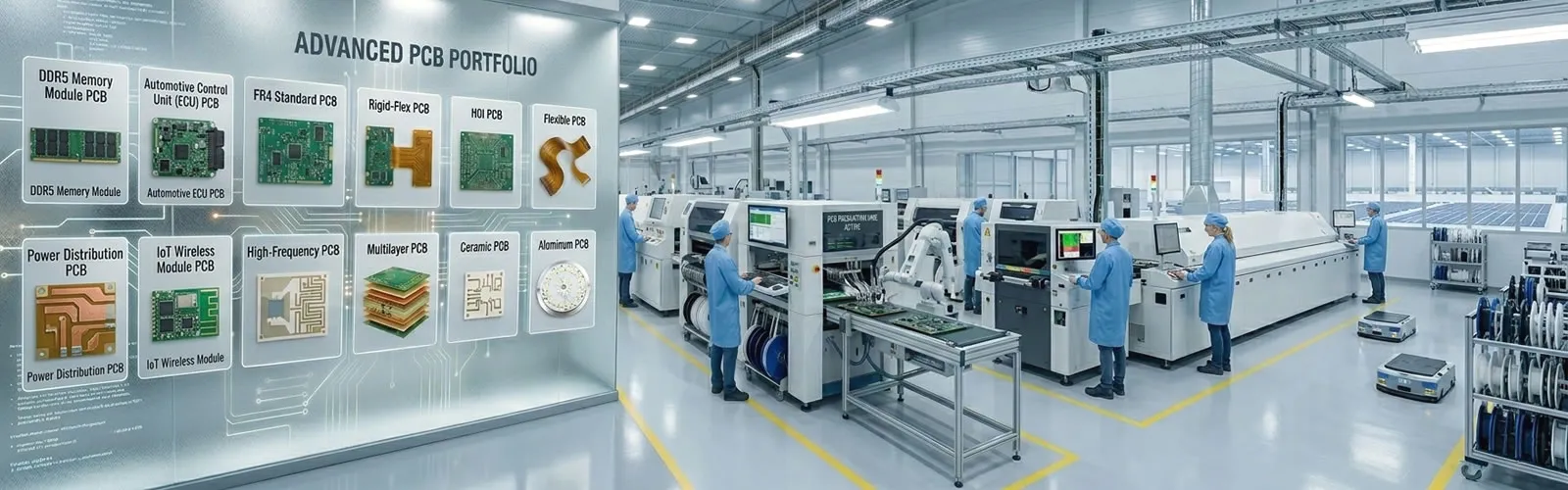
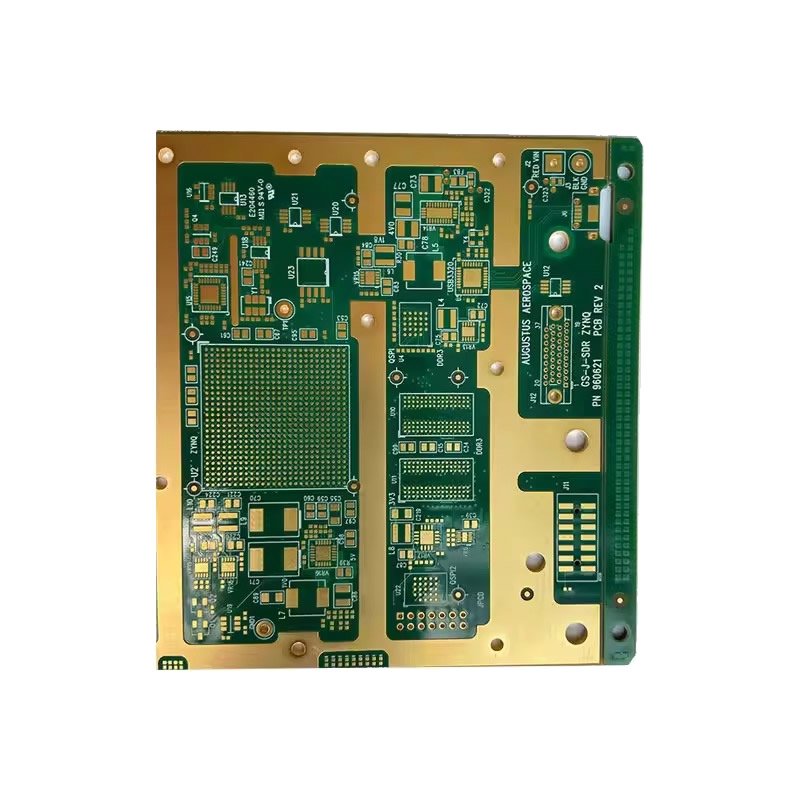
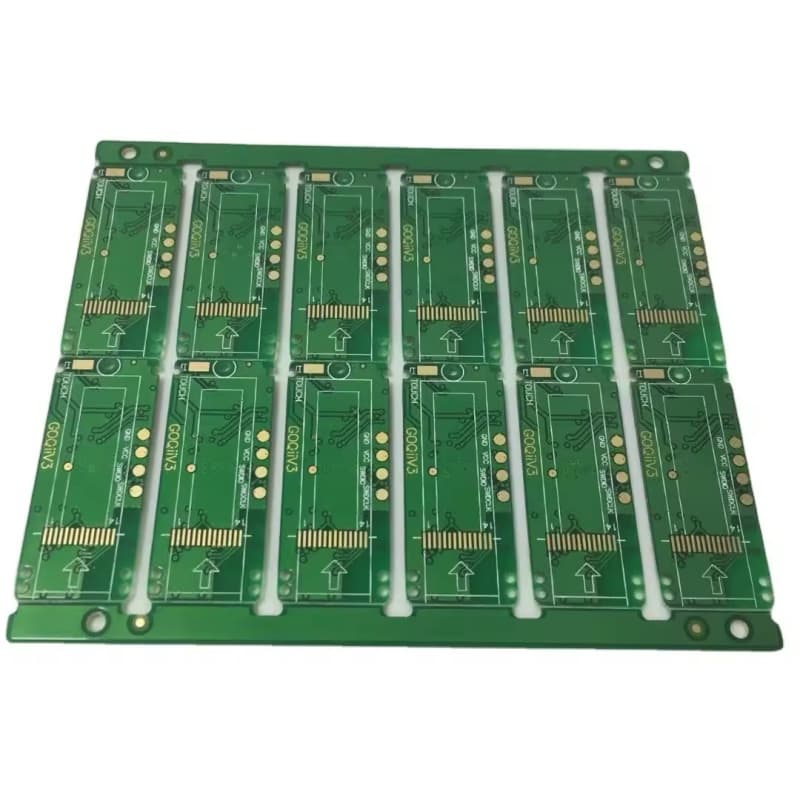
ENIG Surface Finish FR4 PCB – Lead-Free & Flat Surface
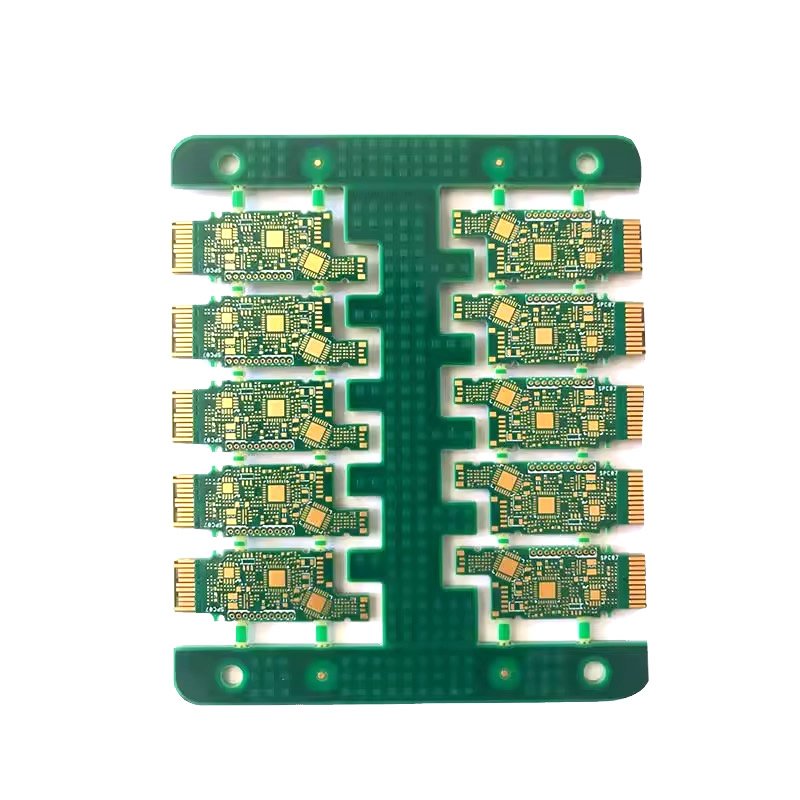
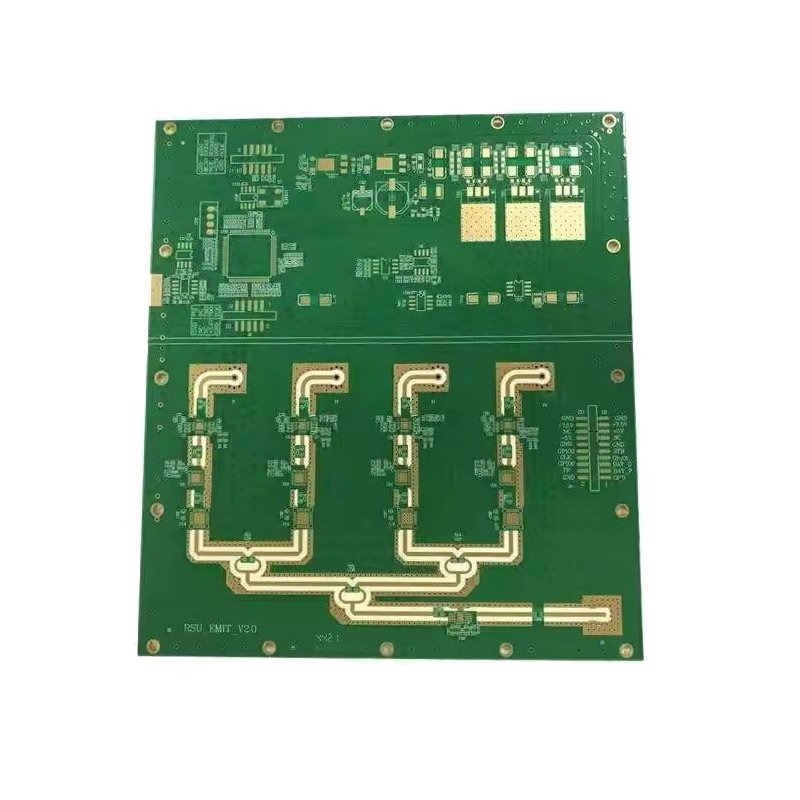
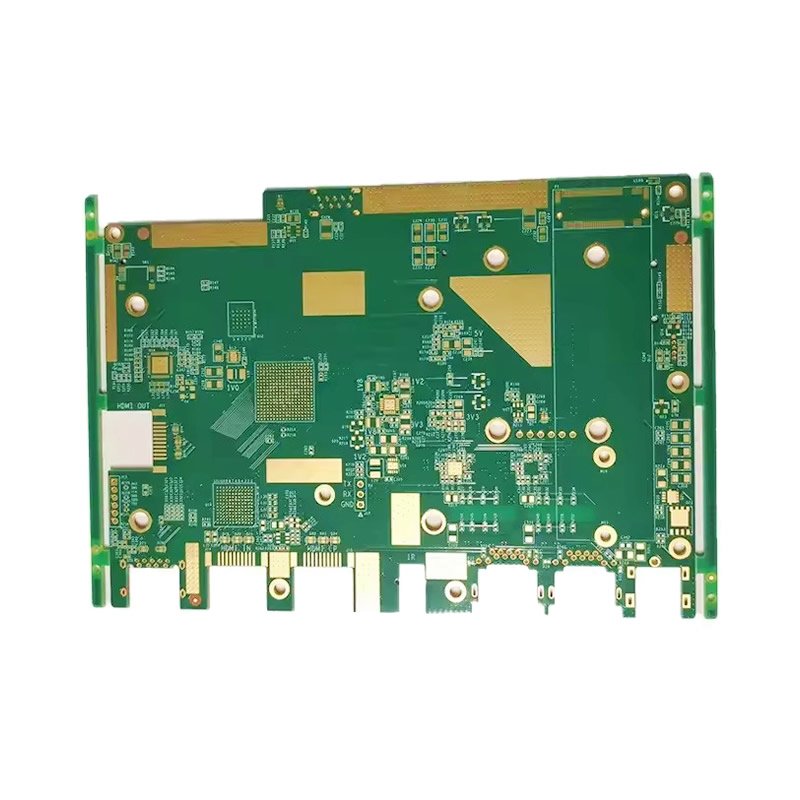
ENIG (Electroless Nickel Immersion Gold) is widely regarded as the premium surface finish for FR4 PCBs, especially for designs requiring fine-pitch components, lead-free assembly, long shelf life, or aluminum wire bonding.
While HASL (Hot Air Solder Leveling) remains the most cost-effective option, it has well-known limitations: an uneven surface, potential for intermetallic growth over time (which can lead to brittle solder joints), and incompatibility with very fine-pitch components. ENIG overcomes all of these.
This guide covers the benefits, technical specifications, applications, and best-use cases for ENIG-finished FR4 PCBs, particularly for lead-free assembly and designs requiring a perfectly flat surface.
Why Choose ENIG Over HASL?
| Consideration | HASL Lead-Free (Standard) | ENIG (Premium) |
|---|---|---|
| Surface flatness | Uneven (3-5 µm variation) | Flat (<0.5 µm variation) |
| Fine-pitch compatibility | Poor (<0.65mm pitch risky) | Excellent (≥0.4mm pitch) |
| BGA/CSP compatibility | Not recommended (uneven) | Highly recommended |
| Shelf life | 6-12 months | 12+ months |
| Lead-free assembly | Yes (but co-planarity issues) | Yes (excellent co-planarity) |
| Intermetallic growth | Prone (after multiple reflows) | No – stable over time |
| Aluminum wire bonding | No | Yes |
| Touchpad / button surface | No (oxidizes) | Yes (gold is inert) |
| Cost | Baseline (0%) | +15-25% |
| Best for | Low-cost, standard SMT | Fine-pitch, high-reliability, long-life |
How ENIG is Applied
ENIG is a two-layer finish applied to exposed copper pads:
Nickel Layer (100-200µ inches / 2.5-5 µm) – Barrier layer that protects copper and provides mechanical strength for solder joints.
Gold Layer (2-5µ inches / 0.05-0.12 µm) – Ultra-thin protective layer that prevents nickel oxidation, ensuring excellent solderability.
Note: The gold dissolves into the solder during assembly, leaving a strong nickel‑tin intermetallic bond. This is normal and expected.
Why Flatness Matters for Modern Assembly
Modern PCB assembly uses fine-pitch components (0.5mm, 0.4mm pitch), BGAs, QFNs, and CSPs. These require a perfectly flat surface for reliable soldering.
| Component Pitch | HASL Acceptable? | ENIG Recommended? |
|---|---|---|
| ≥0.65mm | Yes (with careful process) | Optional (benefits remain) |
| 0.5mm | Risky (uneven surface may cause opens/shorts) | Strongly recommended |
| 0.4mm or smaller | No (unreliable) | Required |
| BGA (any pitch) | Not recommended | Required |
| QFN / DFN | Risky (lack of wetting) | Recommended |
Bottom line: If your design includes components with 0.5mm pitch or less, or any BGAs, ENIG is not optional – it is essential for reliable manufacturing.
Technical Specifications for ENIG FR4 PCB
| Parameter | ENIG Capability |
|---|---|
| Surface finish type | ENIG (Electroless Nickel / Immersion Gold) |
| Nickel thickness | 100-200 µ inches (2.5-5 µm) – standard |
| Gold thickness | 2-5 µ inches (0.05-0.12 µm) – standard |
| Material compatibility | FR4 (all TG grades), High Frequency, Aluminum (see note) |
| Lead-free compliant | Yes – RoHS |
Note: ENIG is compatible with FR4 of all TG grades (standard, TG 170°C, TG 180°C).
Applications Best Suited for ENIG
| Application | Why ENIG is Preferred |
|---|---|
| Fine-pitch BGAs / CSPs (0.4-0.5mm) | Flatness – no co-planarity issues |
| Medical devices | Long shelf life, low contamination potential |
| Automotive electronics | Reliability over temperature cycles |
| Industrial controls (24/7 operation) | Long-term reliability, no intermetallic growth |
| Aerospace & defense | High reliability, long storage periods |
| LED PCBs (with fine-pitch drivers) | Flatness for small LED driver ICs |
| Wireless modules (Bluetooth/WiFi) | Consistent impedance, good solderability |
| Touchpads and button contacts | Gold is inert, non-oxidizing, durable |
| COB (chip-on-board) aluminum wire bonding | Gold surface compatible with wire bonding |
| High-reliability servers / networking | Long life, multiple rework cycles |
ENIG for Aluminum Wire Bonding (COB)
COB assembly uses aluminum wire to directly bond ICs to PCB pads. This requires the pad surface to be compatible with aluminum wire bonding – a requirement only ENIG (and few other finishes) meet.
| Requirement | ENIG Capability |
|---|---|
| Wire bonding compatible | Yes – gold surface ideal for aluminum wedge bonding |
| Pad size for bonding | 70µ” – 100µ” nickel thickness recommended |
| Wire diameter supported | 1.0 mil (25 µm) to 2.0 mil (50 µm) |
If your design requires COB assembly, select ENIG. Inform us during quoting so we can ensure the correct pad finish and thickness parameters.
ENIG for Touchpads / Keys
The gold surface of ENIG is:
Inert – does not oxidize or corrode when exposed to skin oils, sweat, or environment.
Conductive – excellent for capacitive or resistive touch sensing.
Durable – withstands repeated finger contact (for button pads).
Use ENIG if your PCB includes:
Gold-plated button contacts (remote controls, keypads, industrial panels)
Capacitive touch sensors (no overlay needed)
Exposed test points or calibration pads.
Alternative for very high cycle count (100,000+ presses): Hard gold (electrolytic) is more durable but more expensive. We offer hard gold on request.
ENIG vs. Other Lead-Free Finishes
| Finish | Flatness | Shelf Life | Solderability | Wire Bond | Touchpad | Cost | Best For |
|---|---|---|---|---|---|---|---|
| ENIG | Excellent | 12+ months | Excellent | Yes | Yes | Higher | Fine-pitch, reliability |
| HASL Lead-Free | Poor | 6-12 months | Good | No | No | Low | Low-cost SMT |
| Immersion Silver (IAg) | Good | 3-6 months | Good | No | No | Medium | Cost-sensitive flat surface |
| Immersion Tin (ISn) | Good | 3-6 months | Good | No | No | Medium | Press-fit connectors |
| OSP | Good | 3-6 months | Good (must assemble soon) | No | No | Low | High-volume, quick assembly |
| Hard Gold | Excellent | 12+ months | Excellent (for edges) | No | Yes (durable) | High | Card edges, high-cycle contacts |
Best combination: ENIG – if you need flatness, long shelf life, and reliability. HASL – for low-cost boards without fine-pitch constraints.
Why Manufacture Your ENIG FR4 PCB With Us?
| Feature | What You Get |
|---|---|
| ENIG standard – gold on all exposed copper pads | Excellent flatness, long shelf life |
| Controlled plating process | Consistent 2-5µ” gold / 100-200µ” nickel |
| Compatible with fine-pitch (0.4mm BGA) | Yes – essential for modern designs |
| Wire bonding capable | Aluminum wire (COB) supported |
| Touchpad / key surface ready | Gold inert, does not oxidize |
| RoHS compliant | Lead-free, meets global standards |
| 100% electrical test – AOI inspection | Quality verified |
| ISO9001 certified | Full quality management |
Order Process for ENIG FR4 PCB
Upload Gerber files
ENIG plating applied during fabrication
Flatness verified – suitable for fine-pitch assembly
100% electrical test
Packaging – avoid surface contamination before assembly
Storage & handling recommendation: ENIG has a long shelf life (12+ months). Store boards in sealed, static-shielded bags in a clean, dry environment. Avoid touching gold pads with bare hands (oils reduce solderability). Best practice: assemble within 12 months.