 PCB & PCBA Manufacturer

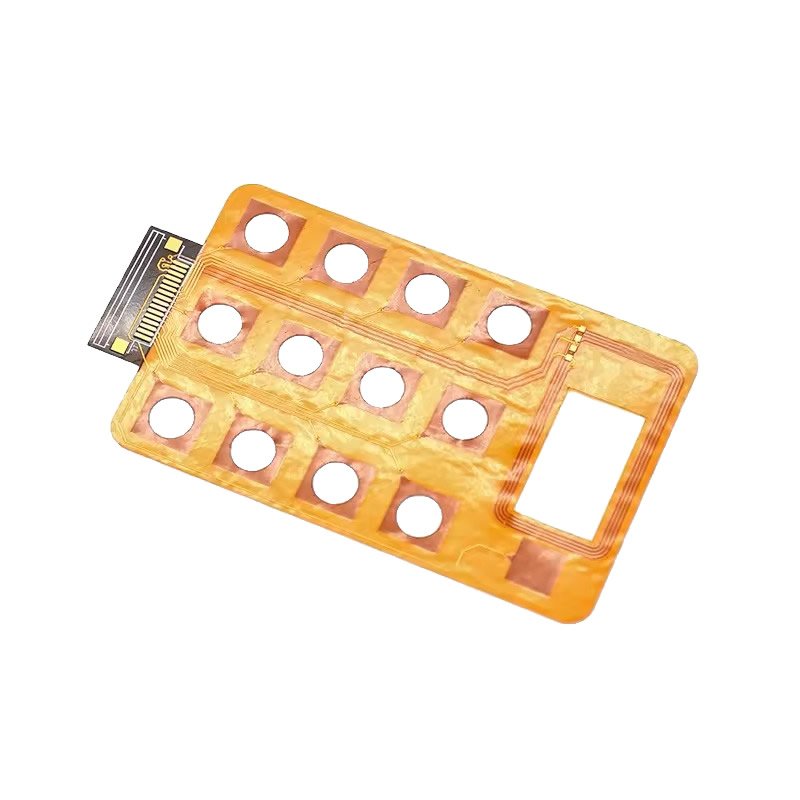
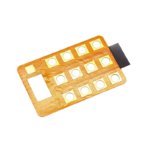
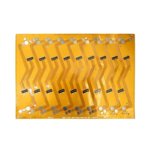
Flexible Circuit Board – Flex Printed Solution for Wearables
Wearable devices present unique challenges for PCB design. They must be ultra-thin, lightweight, and comfortable against the skin – yet still hold batteries, processors, and multiple sensors. Traditional rigid PCBs are too bulky and uncomfortable. Standard flexible PCBs often lack the mechanical support for heavier components.
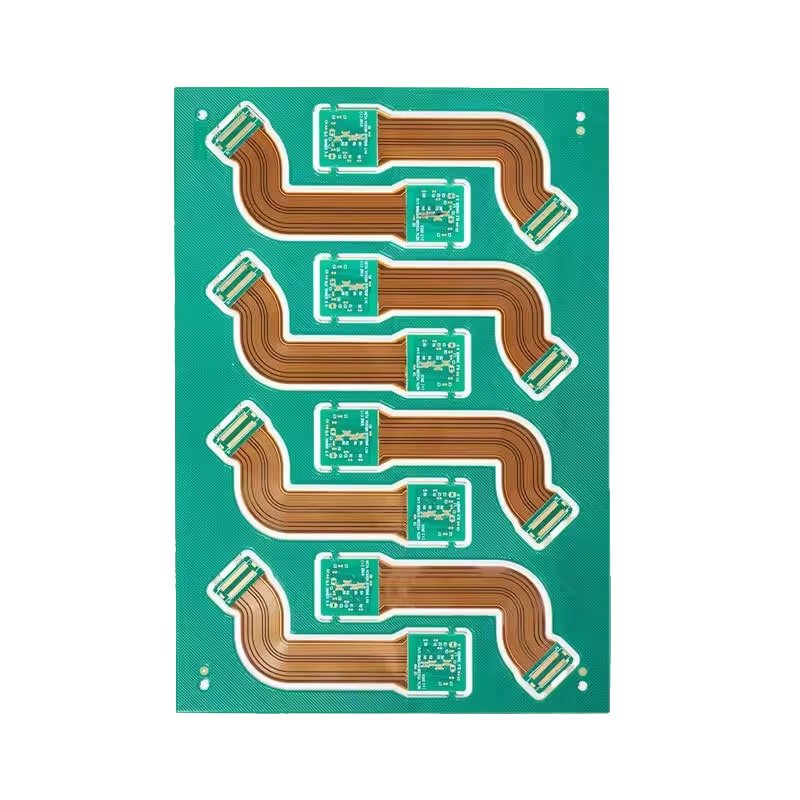
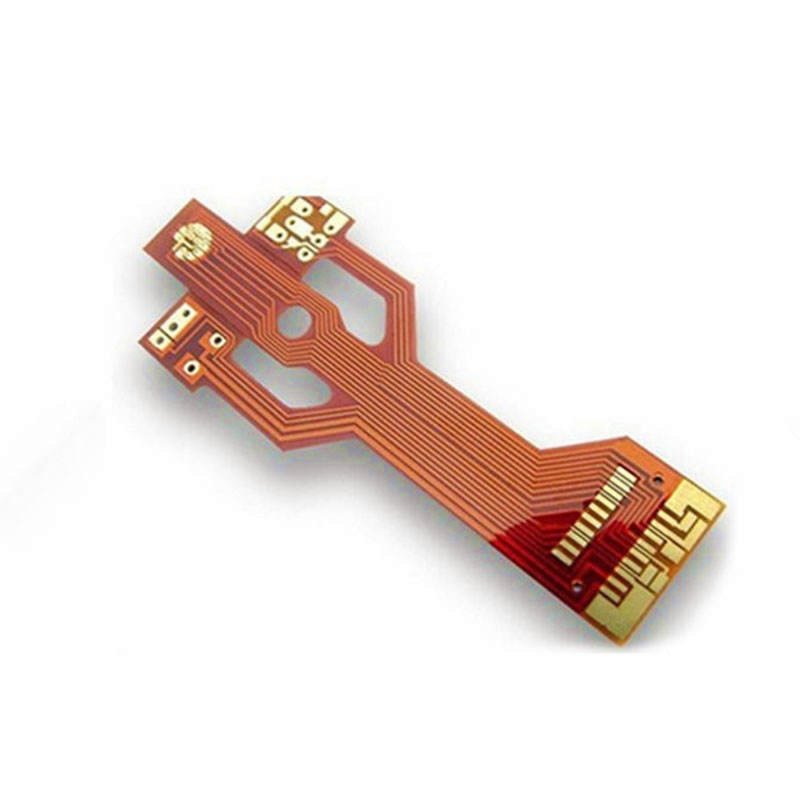
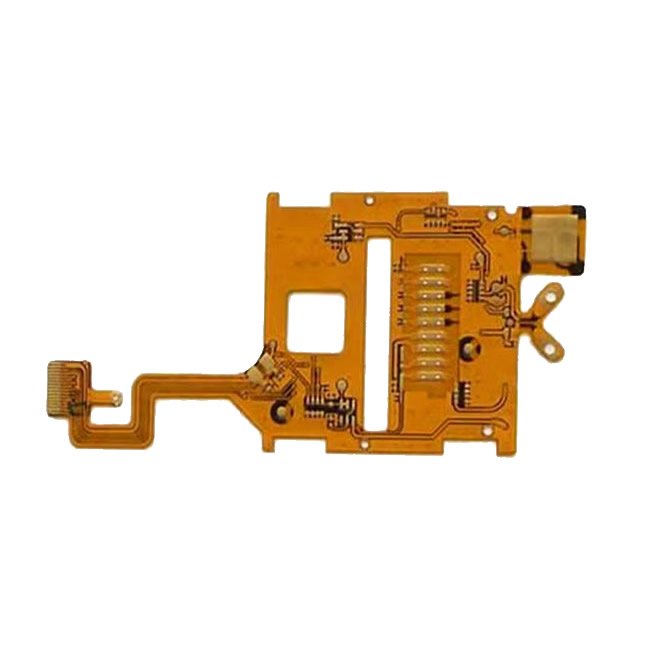
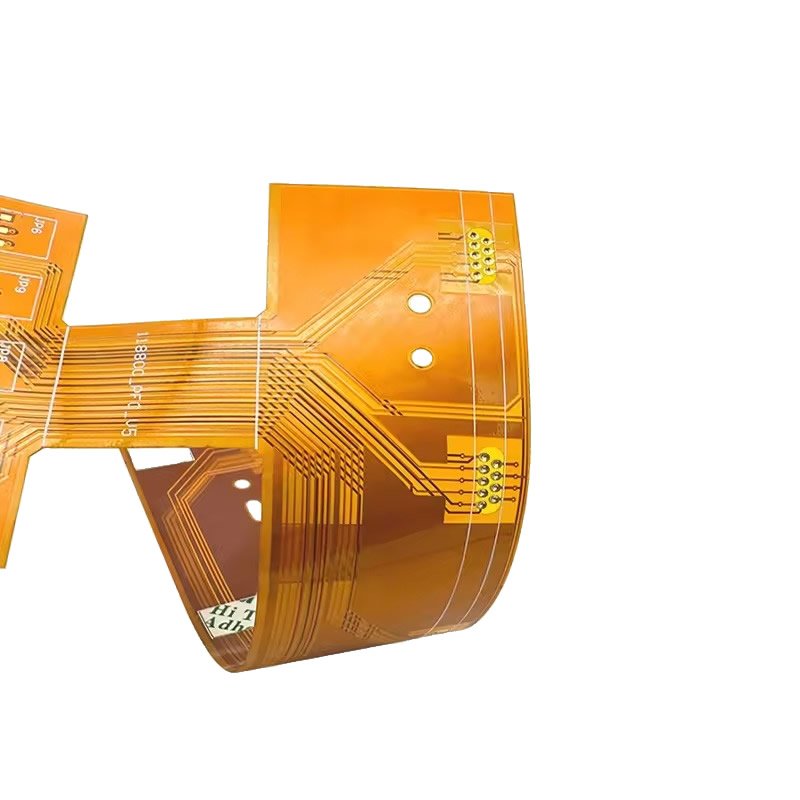
Our flexible circuit board solution for wearables combines ultra-thin polyimide construction (as thin as 0.1mm) with selective stiffeners for component support – giving you the best of both worlds: flexibility where needed, rigidity where components sit.
Why Wearables Need Flexible Circuit Boards
| Challenge | Rigid PCB | Standard Flex | Our Wearable Flex Solution |
|---|---|---|---|
| Curved enclosure (wrist) | Too stiff, uncomfortable | Good | Excellent – conforms to wrist |
| Holds battery/processor | Yes | Poor (too thin) | Yes – stiffeners under components |
| Thickness requirement | 1.6mm (too thick) | 0.1-0.3mm | 0.1-0.2mm total |
| Weight | Heavy | Light | Very light |
| Skin contact comfort | Poor (hard edges) | Good | Excellent – smooth coverlay |
| Sweat/moisture resistance | Moderate | Good | Coverlay + optional coating |
| Dynamic flexing (wrist movement) | No | Yes | Yes – RA copper |
Typical Wearable Flex Construction
| Layer | Material | Thickness | Function |
|---|---|---|---|
| Coverlay (top) | Polyimide (black or yellow) | 0.5 mil | Protection, aesthetics |
| Copper L1 | RA copper, 0.5 oz | 0.7 mil | Signal traces |
| Adhesive | Acrylic | 0.5 mil | Bonding |
| Polyimide core | DuPont Kapton | 1 mil | Base insulation |
| Adhesive | Acrylic | 0.5 mil | Bonding |
| Copper L2 | RA copper, 0.5 oz | 0.7 mil | Ground / power |
| Coverlay (bottom) | Polyimide | 0.5 mil | Protection |
| Total thickness | ~0.15mm |
Plus stiffeners under components (FR4 or polyimide, 0.1-0.3mm thick)
Wearable Flex PCB – Key Features
| Feature | Benefit for Wearables |
|---|---|
| Ultra-thin (0.1-0.2mm) | Fits into slim watch/band enclosures |
| RA copper | Withstands wrist movement (dynamic flexing) |
| Selective stiffeners | Supports battery, processor, sensors |
| Black coverlay (standard) | Matches aesthetics, hides traces |
| Smooth coverlay surface | Comfortable against skin |
| Optional PSA adhesive | Mounts directly to enclosure |
| Optional conformal coating | Sweat and moisture protection |
| Low profile connectors | ZIF connectors with 0.3mm height |
Technical Specifications for Wearable Flex
| Parameter | Our Capability |
|---|---|
| Total thickness (no stiffener) | 0.1mm to 0.2mm (1-2 layers) |
| Total thickness (with stiffener) | 0.2mm to 0.5mm (depending on stiffener) |
| Layer count | 1 to 4 layers (1-2 layers typical for wearables) |
| Copper weight | 0.5 oz (preferred for thinness) |
| Copper type | RA copper standard |
| Min trace width/spacing | 3 mil / 3 mil (0.075mm) |
| Coverlay color | Black (standard), Yellow (available) |
| Stiffener type | FR4 or polyimide |
| Stiffener thickness | 0.1mm to 0.3mm |
| PSA adhesive | 3M 467MP or equivalent |
| Surface finish | ENIG (preferred for wearables) |
| Bend radius (dynamic) | ≥3mm (for 0.1mm thickness) |
Wearable Flex – Component Placement Strategy
| Component Type | Placement | Method |
|---|---|---|
| Battery | Stiffened area | FR4 stiffener (0.2-0.3mm) |
| Processor / MCU | Stiffened area | FR4 or polyimide stiffener |
| Sensors (optical, IMU) | Flex or stiffened | Flex if thin, stiffener if heavy |
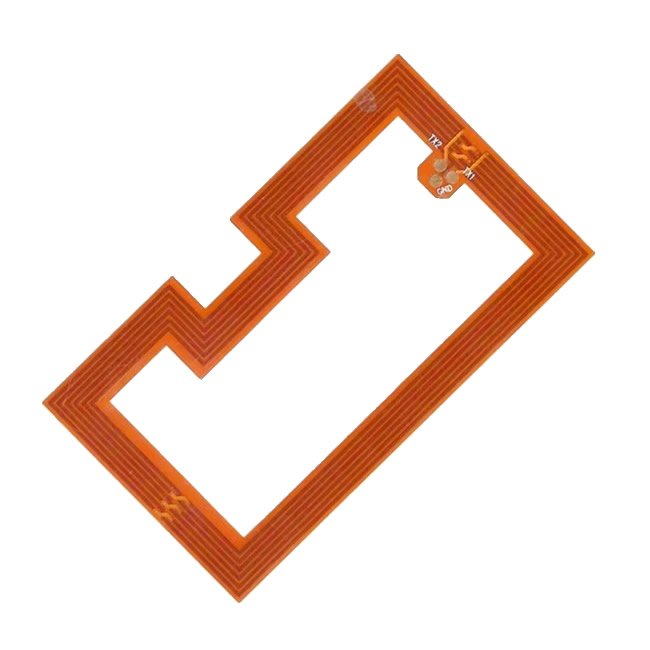
| Bluetooth antenna | Flex section (no stiffener) | 50Ω impedance control |
| Charging contacts | Flex section or stiffened edge | ENIG or hard gold |
| Display connector | Stiffened area | Polyimide stiffener (thin) |
| Button contacts | Flex section | Exposed gold pads |
Typical Wearable Device Applications
| Device | Flex Requirements | Why Our Solution Works |
|---|---|---|
| Smartwatch | Curved to wrist, holds battery/processor | Stiffener under main components, flex wraps |
| Fitness band | Thin, lightweight, sweat resistant | 0.1mm total thickness, coverlay protection |
| Hearing aid | Ultra-compact, fits custom shape | 1-layer flex, tight bend radius |
| AR/VR glasses | Fits temple, connects to display | Rigid section at temple, flex to display |
| Medical patch | Skin contact, low profile | 0.1mm thin, PSA adhesive backing |
| Smart ring | Wraps around finger | Extreme bend, single-layer flex |
| Glucose monitor (wearable) | Body-worn, continuous use | Thin, reliable, moisture resistant |
Wearable Flex – Design Guidelines
| Design Element | Recommendation | Why |
|---|---|---|
| Total thickness | ≤0.2mm for wrist devices | Comfort, fit in slim enclosures |
| Bend radius | ≥3mm (for 0.1mm thickness) | Prevents copper fatigue |
| Stiffener placement | Only under components | Maximizes flexibility elsewhere |
| Coverlay color | Black (aesthetics) | Matches device appearance |
| Trace routing | Avoid 90° corners | Use 45° or rounded |
| Via placement | No vias in flex-only areas | Vias stress flex material |
| Gold contacts | ENIG or hard gold | Corrosion resistance from sweat |
| PSA alignment | Leave 1mm border | Prevents adhesive bleed |
Stiffener Options for Wearable Flex
| Stiffener Type | Thickness | Best For | Notes |
|---|---|---|---|
| FR4 (0.1mm) | 0.1mm | Very thin component support | Most common for wearables |
| FR4 (0.2mm) | 0.2mm | Standard component support | Battery and processor area |
| FR4 (0.3mm) | 0.3mm | Heavy components | Thicker = more rigid |
| Polyimide (0.05mm) | 0.05mm | Ultra-thin applications | For very slim devices |
| Polyimide (0.1mm) | 0.1mm | Thin support for connectors | ZIF connector backing |
Why Choose Our Wearable Flex Solution?
| Feature | What You Get |
|---|---|
| Ultra-thin (0.1-0.2mm) | Fits into slim wearable enclosures |
| RA copper standard | Withstands wrist movement |
| Selective stiffeners | Supports batteries and processors |
| Black coverlay standard | Professional aesthetics |
| PSA adhesive available | Easy mounting to enclosure |
| ENIG finish | Corrosion resistance from sweat |
| Prototype to production | No MOQ for prototypes |
| ISO9001 & UL certified | Quality guaranteed |
Order Process for Wearable Flex
Upload Gerber files – specify wearable application, stiffener locations
Free DFM review – we verify bend radius, stiffener placement, stackup
Receive quotation – based on complexity
First article (recommended) – 5-10 pieces for fit testing
Production – built to your specifications
100% electrical test
Secure shipping
Designing a wearable device? Contact us for engineering support. We help optimize thickness, stiffener placement, and bend radius for comfort and reliability.