 PCB & PCBA Manufacturer

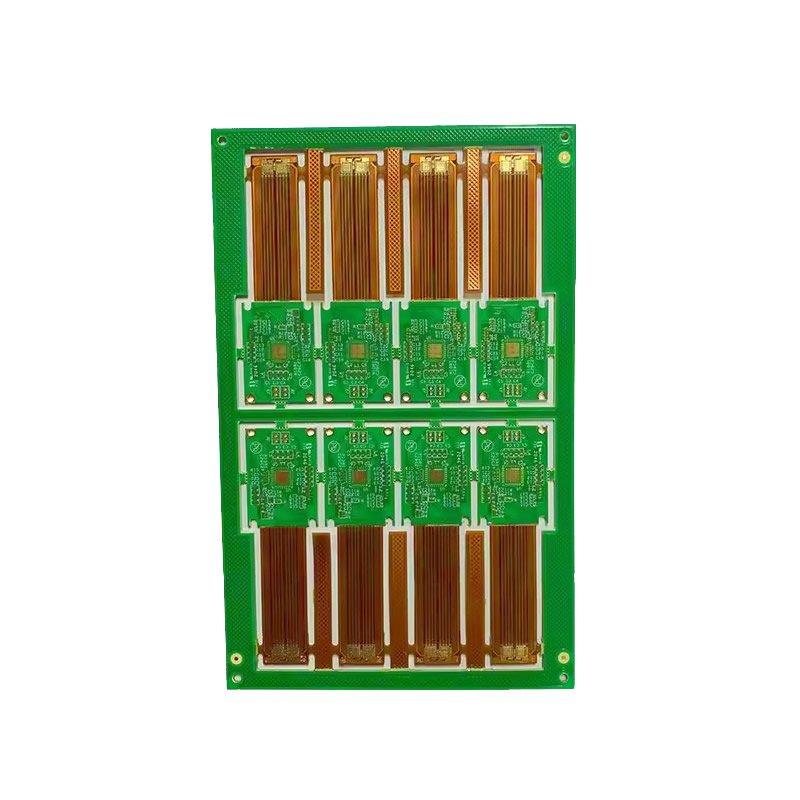
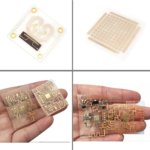
Rigid Flex for Wearables & Medical – Rigid Circuit Board
Wearable devices and medical equipment share two demanding requirements: they must be small and lightweight, yet extremely reliable.
A smartwatch must curve around a wrist while holding a battery, processor, and multiple sensors. A patient monitor needs to be worn comfortably for days, with no risk of connector failure. An endoscope must thread through tight spaces while maintaining perfect signal integrity.
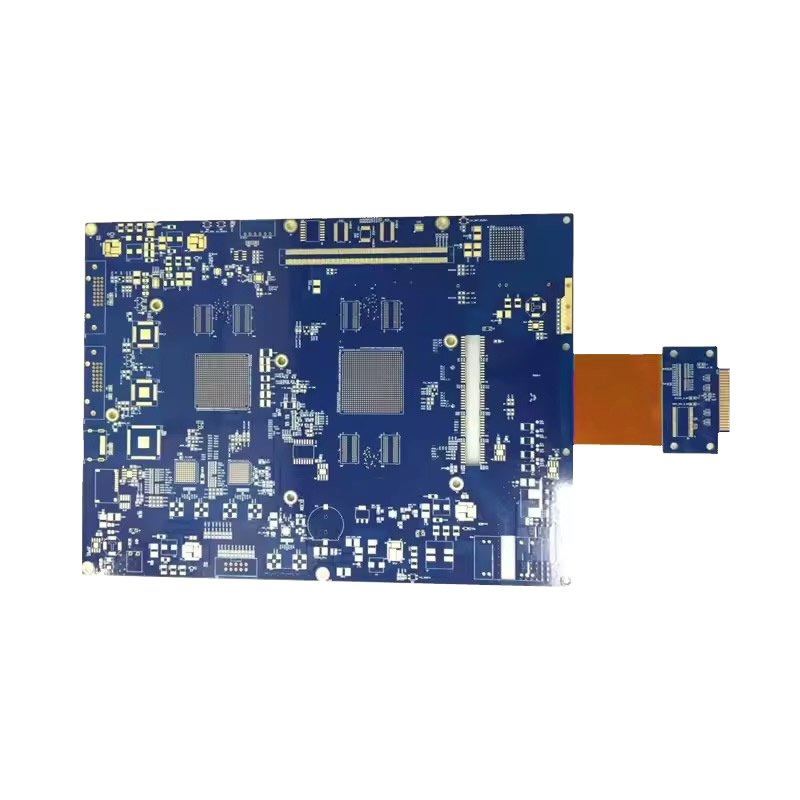
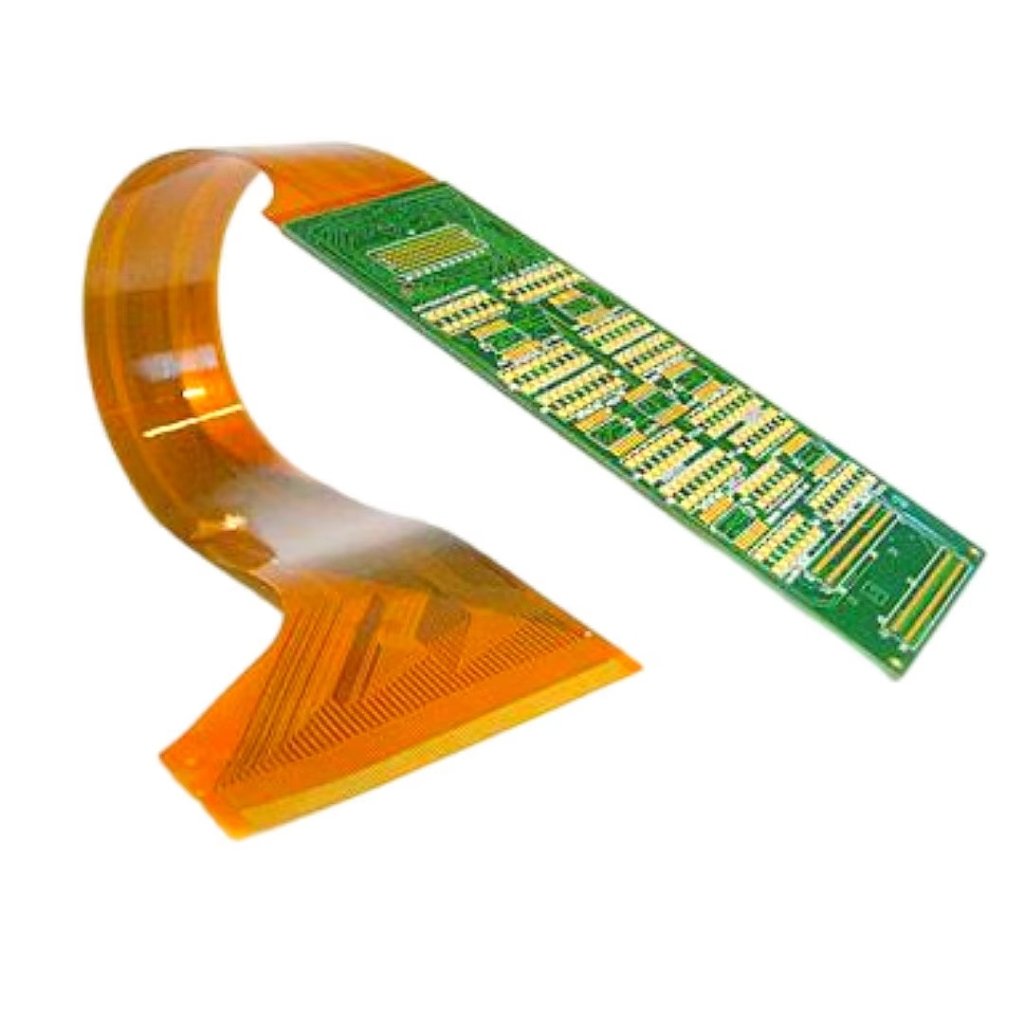
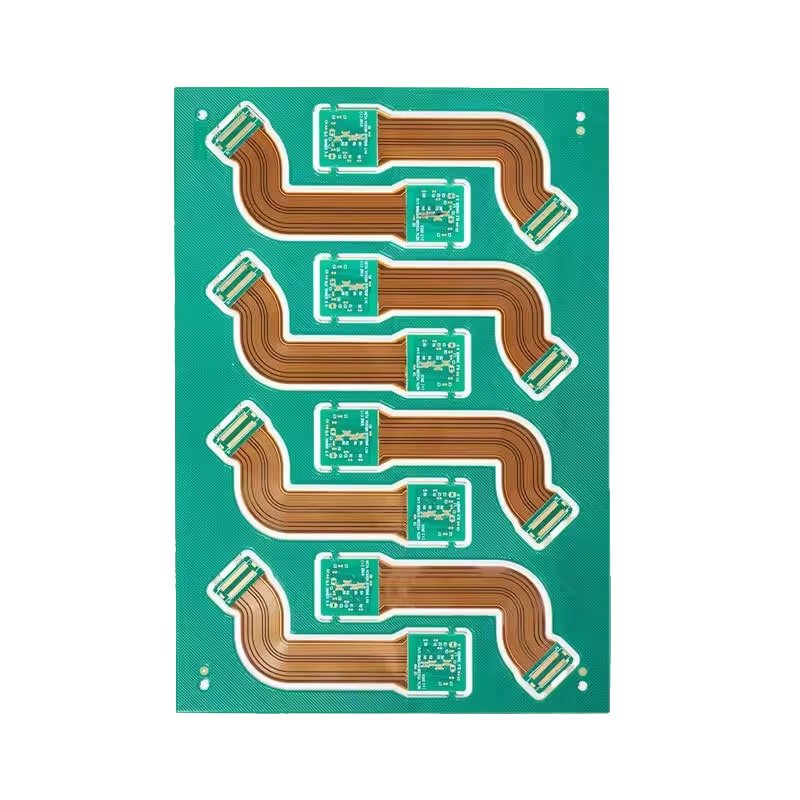
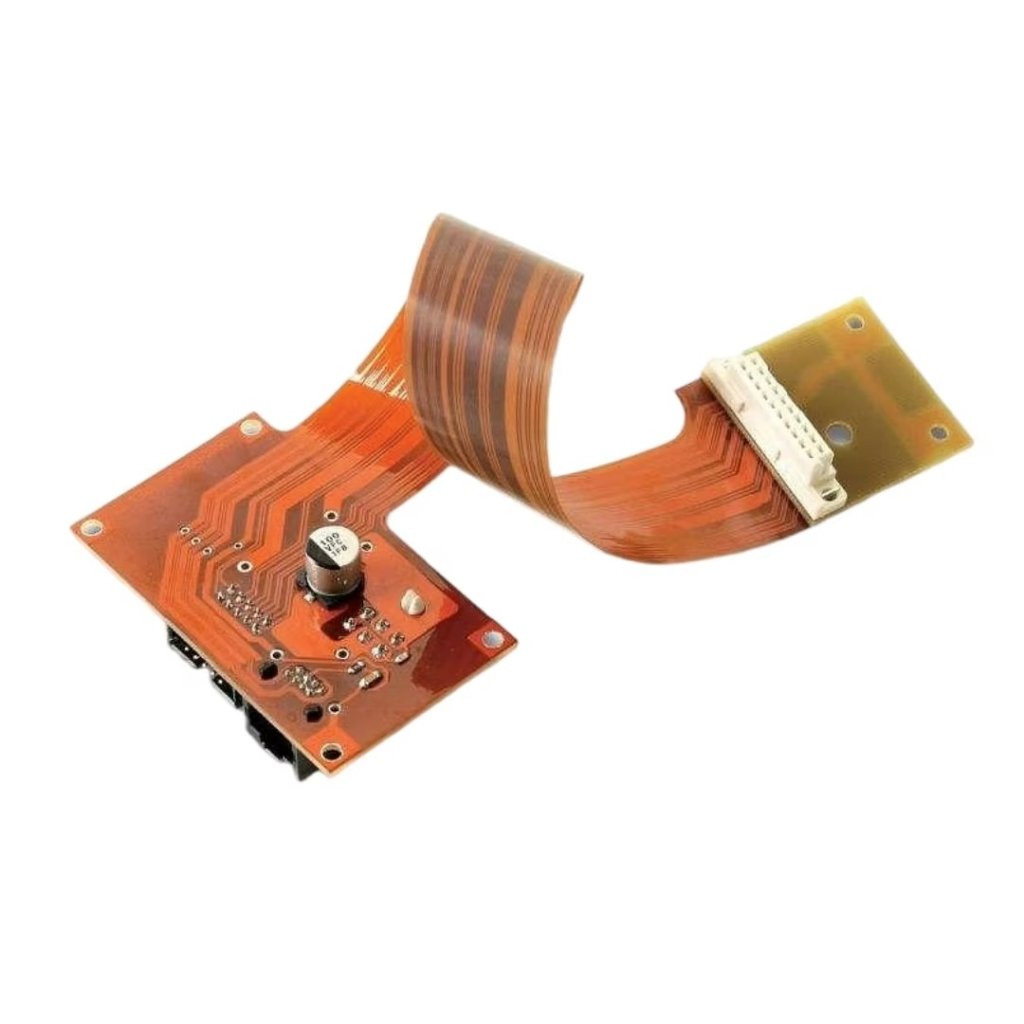
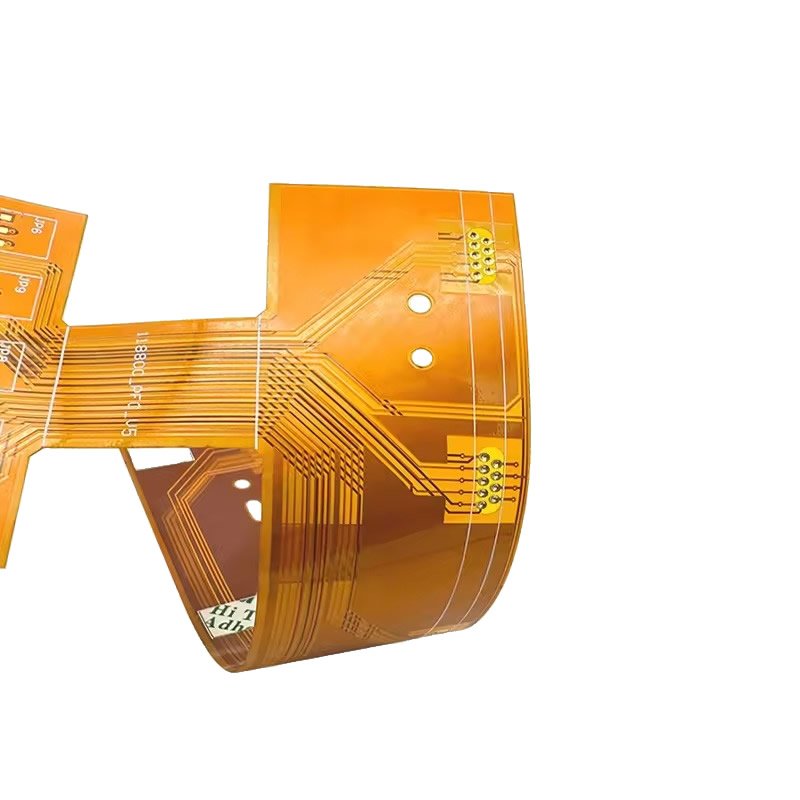
Rigid flex is the ideal solution for these applications. It combines rigid sections (for heavy components) with flexible sections (for bending and folding). This single integrated board replaces the traditional approach of multiple rigid boards + connectors + cables – saving space, reducing weight, and eliminating failure points.
Why Wearables and Medical Devices Need Rigid Flex
| Challenge | Rigid PCB + Cable + Connectors | Rigid Flex Solution |
|---|---|---|
| Curved / irregular enclosure | Difficult – multiple boards needed | Easy – flex sections bend to shape |
| Limited internal space | Connectors and cables waste space | Space efficient – no connectors |
| Weight reduction | Connectors and cables add weight | Lighter – integrated construction |
| Patient comfort (wearables) | Hard edges, bulky | Smooth, low profile |
| Vibration / movement | Connectors can loosen or fail | No connectors – highly reliable |
| Cleanability (medical) | Connector crevices trap contaminants | Smooth surfaces – easy to clean |
| Signal integrity | Connectors and cables degrade signals | Continuous traces – better SI |
| Assembly complexity | Multiple parts to assemble | One board – simpler assembly |
Wearable Device Applications
| Device | Why Rigid Flex is Ideal |
|---|---|
| Smartwatch | Rigid section for processor/battery, flex wraps around wrist curve |
| Fitness band | Thin, lightweight, conforms to wrist or arm |
| AR/VR glasses | Rigid at temple (electronics), flex to display in front of eye |
| Hearing aid | Tiny form factor, fits custom ear shape |
| Smart ring | Ultra-compact, flex wraps around finger |
| Medical alert pendant | Comfortable to wear, reliable 24/7 |
| Glucose monitor (wearable) | Low profile, patient-worn for days |
Medical Device Applications
| Device | Why Rigid Flex is Ideal |
|---|---|
| Patient monitor | No connector failure – critical for continuous monitoring |
| Pulse oximeter | Small, flexible finger probe |
| Endoscope | Flex section bends through body cavities, rigid holds camera |
| Hearing implant (external) | Fits behind ear, reliable for years |
| Drug delivery pump (wearable) | Low profile, patient-worn |
| Surgical navigation tracker | Attaches to surgical instruments, reliable |
| ECG / EEG patient leads | Flexible to body contours, reliable signals |
| Ventilator control panel | Rigid for display/buttons, flex to internal boards |
Key Design Features for Wearables & Medical Rigid Flex
| Feature | Why It Matters for Wearables/Medical |
|---|---|
| Low profile thickness | 0.6mm – 1.2mm overall – fits thin enclosures |
| Small bend radius | Folds into tiny spaces (hearing aids, smart rings) |
| Rolled annealed (RA) copper | Withstands repeated flexing (dynamic flex) |
| Coverlay (not solder mask) on flex | Flexible protection – won’t crack |
| EMI shielding (optional) | Protects sensitive medical signals |
| Gold plating on contact pads | Corrosion-resistant for skin contact or repeated use |
| No sharp edges | Patient comfort, no tissue irritation |
| Cleanability | Smooth surfaces, no crevices |
Technical Specifications for Wearables & Medical
| Parameter | Capability |
|---|---|
| Total thickness (rigid areas) | 0.6mm – 1.2mm (thin for wearables) |
| Flex thickness | 0.1mm – 0.3mm (depending on layers) |
| Layer count (rigid) | 2 – 8 layers |
| Layer count (flex) | 1 – 2 layers (standard), 1 – 4 layers (advanced) |
| Bend radius (dynamic) | 5mm – 10mm (depending on thickness) |
| Bend radius (static / one-time) | 1mm – 3mm |
| Copper type – flex section | Rolled annealed (RA) – standard for medical/wearables |
| Copper weight – flex | 0.5 oz or 1 oz (heavier copper cracks when bent) |
| Surface finish | ENIG (standard for medical – flat, corrosion-resistant) |
| Coverlay (flex protection) | Polyimide (yellow or black) |
| Stiffeners (optional) | FR4 or polyimide under connectors |
| Certifications | ISO9001, UL 94V-0, RoHS |
Rigid Flex vs. Alternative Approaches for Wearables
| Approach | Space Efficiency | Weight | Reliability | Assembly Cost |
|---|---|---|---|---|
| Rigid PCB + cable + connectors | Poor (connectors bulky) | Heavy | Poor (connectors fail) | High |
| Flexible PCB only | Good (but can’t hold heavy components) | Light | Good (no connectors) | Moderate |
| Rigid Flex | Excellent | Light | Excellent | Low (one board) |
For wearables with any significant components (battery, processor, display): Rigid flex is superior to flex-only or rigid+cable.
Medical Grade Reliability
Medical devices demand near-zero failure rates. Rigid flex delivers:
| Reliability Factor | How Rigid Flex Addresses It |
|---|---|
| No connector failure | Connectors are a leading cause of field failures – rigid flex eliminates them |
| Vibration resistance | No loose connections from patient movement or transport |
| Corrosion resistance | ENIG finish + coverlay protection |
| Flex life | RA copper withstands thousands of flex cycles |
| Cleanliness | No crevices for bodily fluids or contaminants |
| Traceability | Full lot traceability for regulatory compliance |
Why Choose Us for Wearables & Medical Rigid Flex?
| Feature | What You Get |
|---|---|
| Wearables & medical focus | We understand your reliability and size requirements |
| Thin board capability | 0.6mm rigid sections, 0.1mm flex sections |
| RA copper standard | For dynamic flexing (repeated bending) |
| ENIG finish | Corrosion-resistant, biocompatible |
| Medical device quality processes | Cleanliness, traceability, documentation |
| Full lot traceability | Regulatory compliance (FDA, MDR) |
| Engineering support | Bend radius, stackup, material selection |
Order Process
Upload Gerber files – specify wearable or medical application
Free DFM review – we verify bend radius, flex materials, reliability
Receive quotation
First article (recommended) – small batch for validation
Production – with full traceability
Secure shipping
Developing a wearable or medical device? We understand the unique challenges – small size, patient safety, regulatory compliance. Contact us for a consultation.