 PCB & PCBA Manufacturer

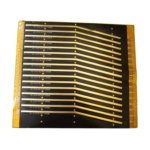
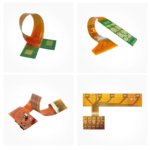
Flex Rigid PCB – Flexible Rigid PCB Manufacturer
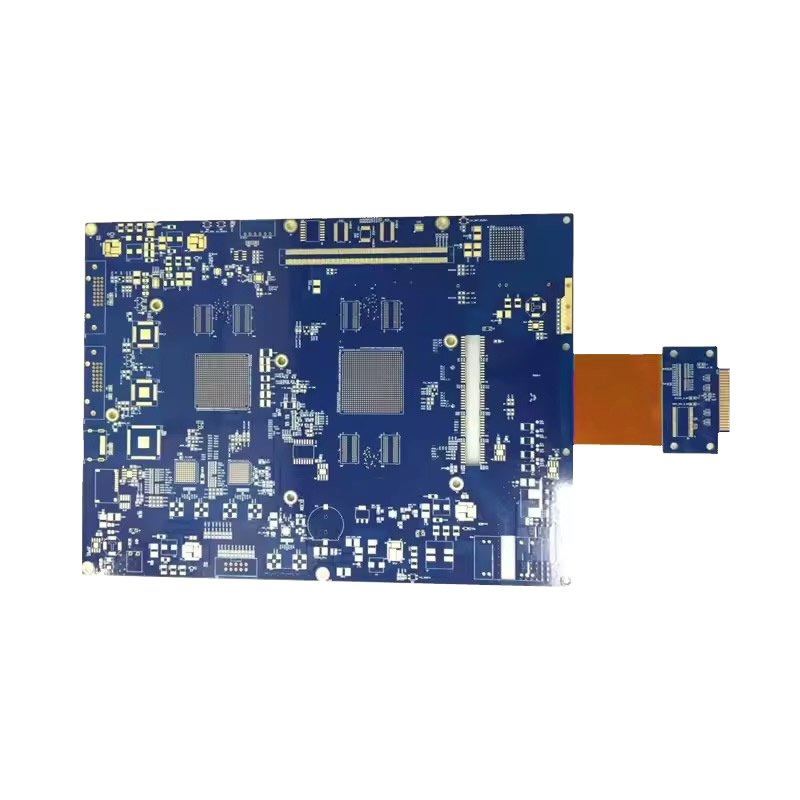
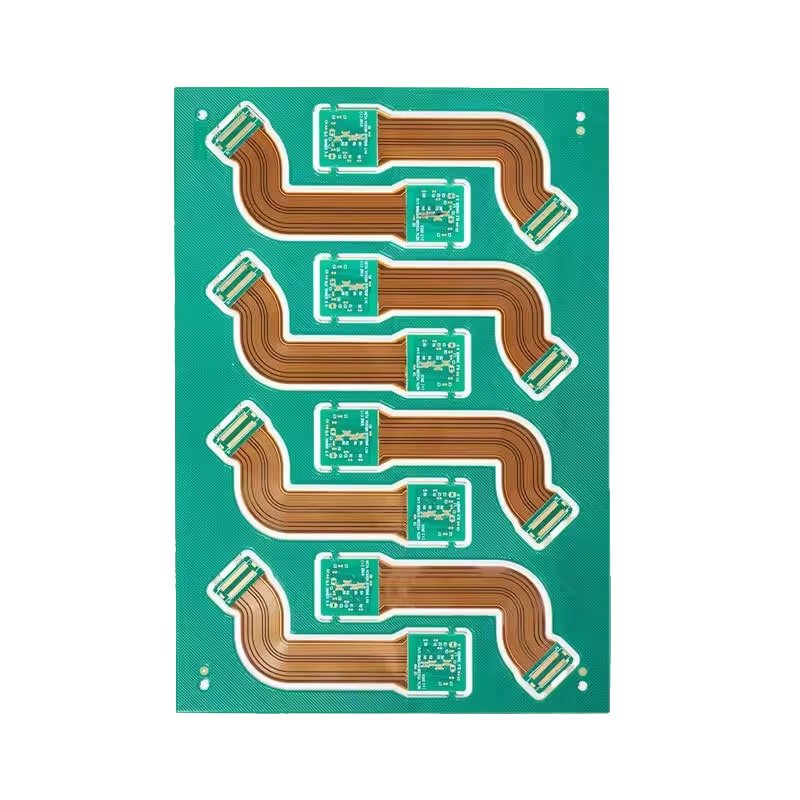
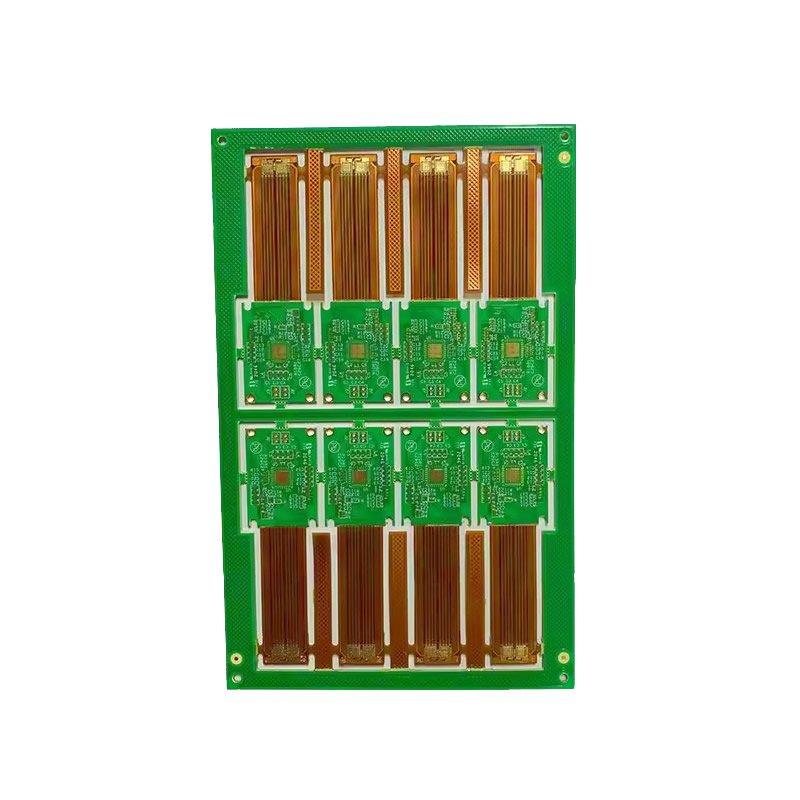
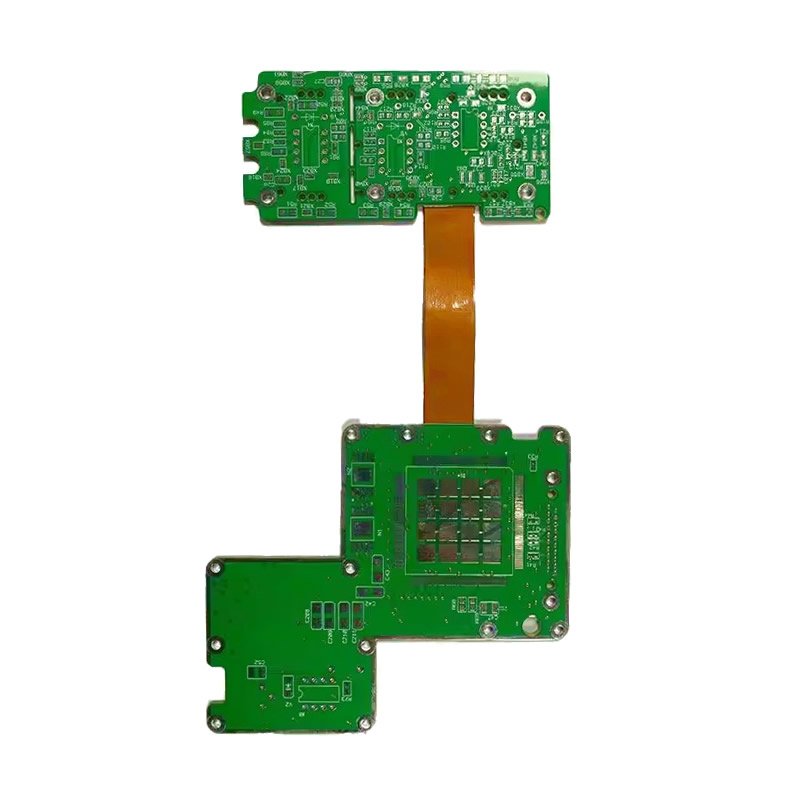
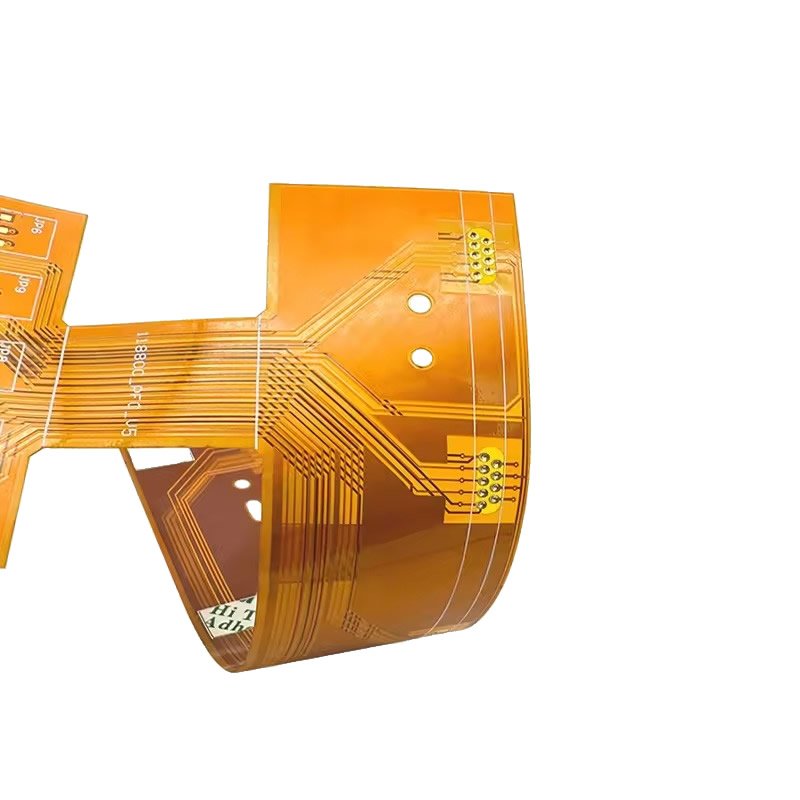
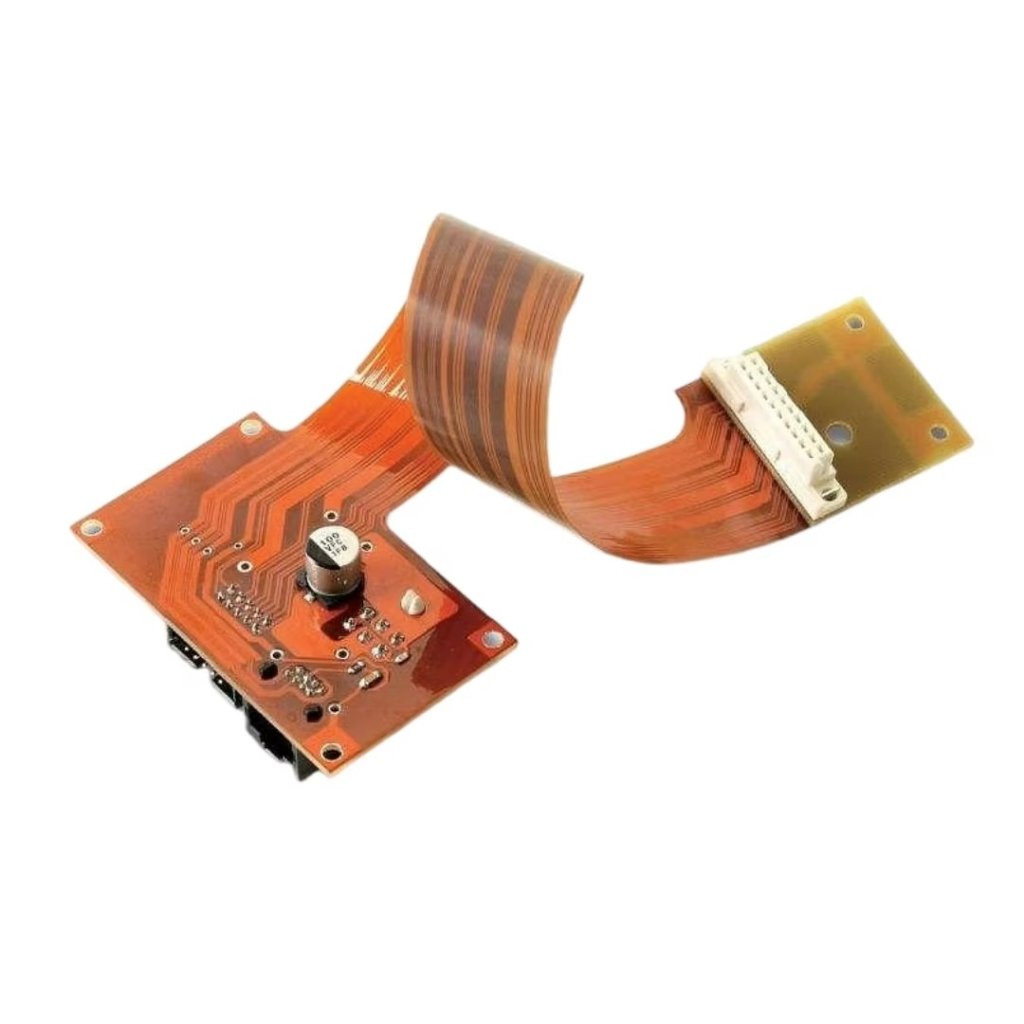
A Flex Rigid PCB (also known as a flexible rigid PCB or rigid flex board) is a hybrid circuit board that combines rigid FR4 sections for component mounting and flexible polyimide sections for bending and folding – all integrated into a single, continuous board.
As a flexible rigid PCB manufacturer, we specialize in building these hybrid boards to your exact specifications – from simple 2-section designs to complex multi-section configurations with multiple flex tails.
If your product needs to fold, fit into a curved enclosure, or survive vibration while holding heavy components, flex rigid PCB is the solution.
What is a Flex Rigid PCB?
| Feature | Description |
|---|---|
| Rigid sections | FR4 material – supports processors, connectors, batteries, large passives |
| Flex sections | Polyimide (Kapton) – bends, folds, twists |
| Continuous traces | Copper runs uninterrupted from rigid to flex to rigid |
| No connectors | Single board replaces rigid PCB + cable + rigid PCB assemblies |
| Single SKU | One board, one part number, one assembly |
Think of it as: Multiple rigid PCBs that are “born connected” by flexible hinges.
Flex Rigid PCB vs. Traditional Assembly
| Approach | Components | Connections | Failure Points | Assembly | SKUs |
|---|---|---|---|---|---|
| Traditional | PCB #1 + Cable + PCB #2 | 2 connectors + cable | 3+ | Complex | 3-5 |
| Flex Rigid PCB | Single integrated board | 0 connectors | 1 | Simple | 1 |
Why Choose a Flex Rigid PCB?
| Benefit | How Flex Rigid PCB Delivers |
|---|---|
| No connectors | Eliminates connector cost and connector failure modes |
| No cables | No cable BOM, no cable assembly labor |
| Higher reliability | Fewer interconnects = fewer failure points |
| Space savings | Folds into 3D shapes – replaces multiple boards |
| Weight reduction | No connectors, no heavy cable harnesses |
| Better signal integrity | Continuous traces – no impedance jumps at connectors |
| Lower assembly cost | One board to place, not multiple boards + cables |
| Simpler logistics | One SKU instead of 3-5 SKUs |
Flex Rigid PCB Construction
| Layer | Material | Thickness | Function |
|---|---|---|---|
| Coverlay (top) | Polyimide film | 0.5 mil | Protects flex copper |
| Flex copper | Rolled annealed (RA) copper | 0.5-1 oz | Signal traces in flex areas |
| Polyimide core | Flexible base material | 1-2 mil | Insulation between flex layers |
| Flex copper | Rolled annealed (RA) copper | 0.5-1 oz | Signal traces in flex areas |
| Coverlay (bottom) | Polyimide film | 0.5 mil | Protects flex copper |
| FR4 rigid sections (added on rigid areas only) | FR4 + prepreg + copper | 0.4-2.4 mm | Component mounting, additional routing |
Key point: The flexible polyimide core runs continuously. FR4 is selectively added only where rigidity is needed.
Common Flex Rigid PCB Configurations
| Configuration | Rigid Sections | Flex Sections | Typical Application |
|---|---|---|---|
| Single flex tail | 2 | 1 | Laptop hinge, clam shell device |
| Multiple tails | 1 + multiple satellites | 2+ | Medical scope, multi-sensor array |
| Z-fold | 3 | 2 | Foldable phone, stackable modules |
| Parallel sections | 3+ | 2+ | Multi-panel display |
| Book-fold | 2 | 1 (foldable) | Portable instrument |
Flex Rigid PCB Manufacturing Capabilities
| Parameter | Our Capability |
|---|---|
| Rigid sections – layer count | 2 to 12 layers per section |
| Flex sections – layer count | 1 to 4 layers |
| Number of rigid sections | 2 to 8+ sections |
| Rigid thickness per section | 0.6mm to 2.4mm (can vary by section) |
| Flex thickness | 0.1mm to 0.4mm |
| Copper – rigid sections | 1 oz to 6 oz |
| Copper – flex sections | 0.5 oz or 1 oz RA (rolled annealed) |
| Min trace/spacing (rigid) | 4 mil / 4 mil |
| Min trace/spacing (flex) | 4 mil / 4 mil |
| Min drill size | 0.20mm mechanical |
| Bend radius (static) | Minimum 10x flex thickness |
| Bend radius (dynamic) | Minimum 30x flex thickness |
| Surface finish | ENIG (preferred), HASL, OSP, Immersion Silver |
| Stiffeners | FR4, polyimide, or metal |
| EMI shielding | Silver ink, copper layer, or shielding film |
Design Guidelines for Flex Rigid PCB
| Design Element | Recommendation | Why |
|---|---|---|
| Bend radius | ≥10x flex thickness (static), ≥30x (dynamic) | Prevents copper fatigue |
| Flex length | Allow extra length for bending | Prevents stress on rigid sections |
| Flex width | Consistent – no sharp corners | Reduces stress concentration |
| Trace routing | Perpendicular to bend axis | Minimizes stress on traces |
| Via placement | No vias in bend areas | Vias crack under flex stress |
| Copper weight in flex | 0.5 oz preferred (1 oz max) | Thinner copper bends better |
| Copper type in flex | Rolled annealed (RA) only | RA copper withstands bending |
| Coverlay | Use coverlay (not solder mask) on flex | Coverlay flexes, solder mask cracks |
| Component placement | Rigid sections only | Flex too thin for heavy components |
| Stiffeners | Add under connectors on flex tails | Prevents flex damage |
Flex Rigid PCB vs. Alternatives
| Feature | Rigid PCB + Cable | Flexible PCB Only | Flex Rigid PCB |
|---|---|---|---|
| Heavy component support | Excellent | Poor | Excellent |
| Bendability | None (cable bends) | Excellent | Excellent |
| Connectors needed | Yes (2-4) | Fewer | None |
| Space efficiency | Good | Excellent | Very good |
| Weight | Heavy | Light | Light |
| Reliability | Moderate | Good | Excellent |
| Assembly complexity | High | Low | Low |
| Total system cost | Often higher | Moderate | Often lower |
Applications for Flex Rigid PCB
| Industry | Application | Why Flex Rigid is Ideal |
|---|---|---|
| Aerospace | Avionics, satellite electronics | Vibration resistance, weight reduction |
| Medical | Endoscopes, patient monitors, hearing aids | No connector failure, small size |
| Wearables | Smartwatches, fitness bands, AR/VR glasses | Fits curved enclosures, low weight |
| Industrial | Robotics, CNC controllers, sensors | Dynamic flexing, rugged |
| Automotive | Camera modules, sensors, infotainment | Vibration resistance |
| Consumer | Laptops, tablets, foldable phones | Hinge connection |
| Military | Portable radios, ruggedized equipment | High reliability |
Why Choose Us as Your Flexible Rigid PCB Manufacturer?
| Feature | What You Get |
|---|---|
| True flex rigid integration | Continuous traces from rigid through flex to rigid |
| RA copper standard for flex | Withstands repeated bending |
| No connectors needed | Eliminate connector failure points |
| Engineering support | Bend radius analysis, stackup design |
| Prototype available | Fast turnaround for validation |
| Volume production | Scalable to your needs |
| ISO9001 & UL certified | Quality guaranteed |
| Free DFM review | Rigid flex specific – at no charge |
Manufacturing Process for Flex Rigid PCB
| Step | What Happens | Time (prototype) |
|---|---|---|
| 1. Submit Gerber files | Upload your design | Minutes |
| 2. Free DFM review | We verify bend radius, vias, stackup | 24-48 hours |
| 3. Receive quotation | Detailed pricing | 24-48 hours |
| 4. First article (optional) | 5-20 pieces for validation | 10-15 days |
| 5. Production | Built to your specifications | 12-20 days |
| 6. 100% electrical test | Including flex continuity | Included |
| 7. Secure shipping | DHL/FedEx/UPS | 1-5 days |
Order Process for Flex Rigid PCB
Upload Gerber files – specify rigid and flex layers, bend areas, flex length
Free DFM review – we verify bend radius, via placement, stackup
Receive quotation – based on configuration complexity
First article (strongly recommended) – 5-20 pieces for validation
Production – built to your exact specifications
100% electrical test – including flex continuity
Secure shipping – worldwide delivery
New to flex rigid PCB? Start with a prototype (5-10 pieces) to validate your design before mass production.